
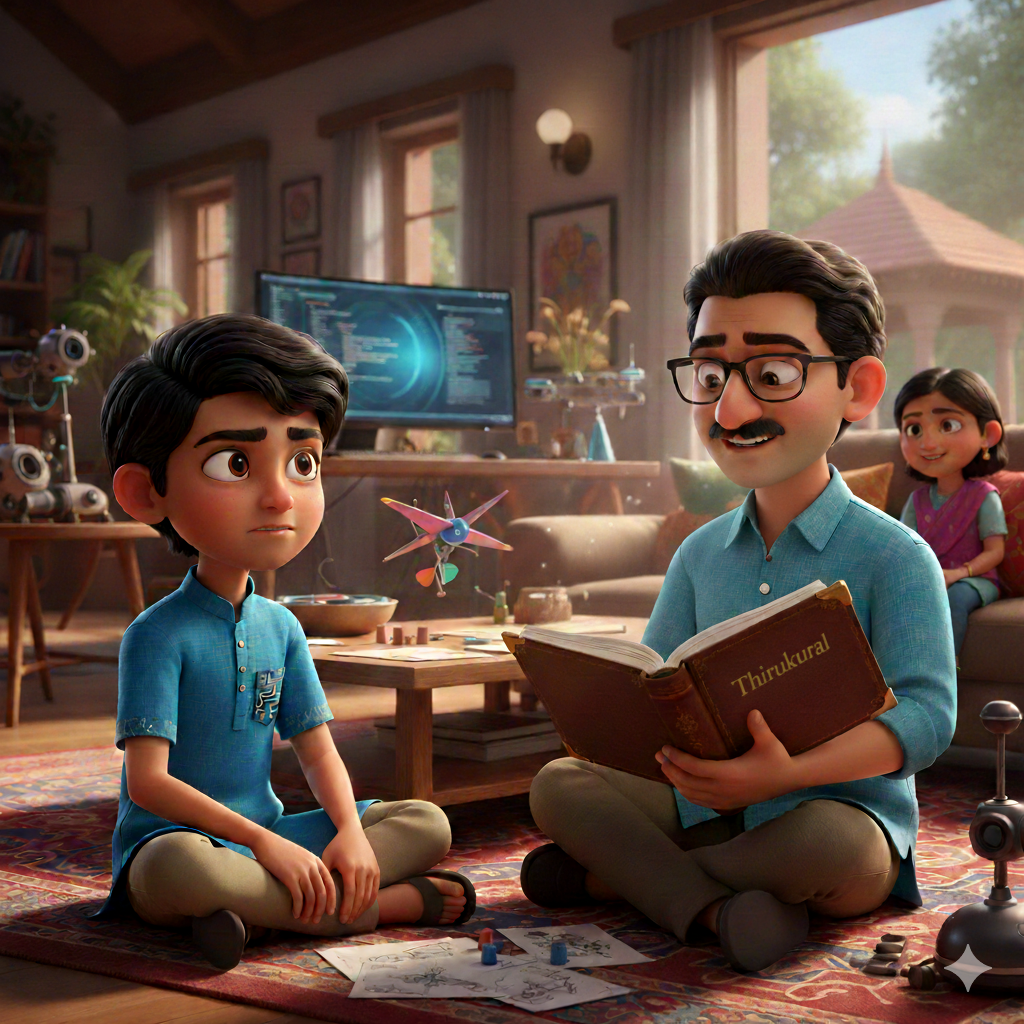
In a vibrant Bangalore tech family home, 14-year-old Sanjay dreamed of inventing gadgets like his engineer dad. But Sanjay struggled with school science projects—he had wild ideas in his head but forgot details and couldn’t explain them clearly. During a family game night, Dad noticed Sanjay’s frustration. “Ideas and words are like eyes for life,” he said, pulling out his old Tamil Kural notebook.
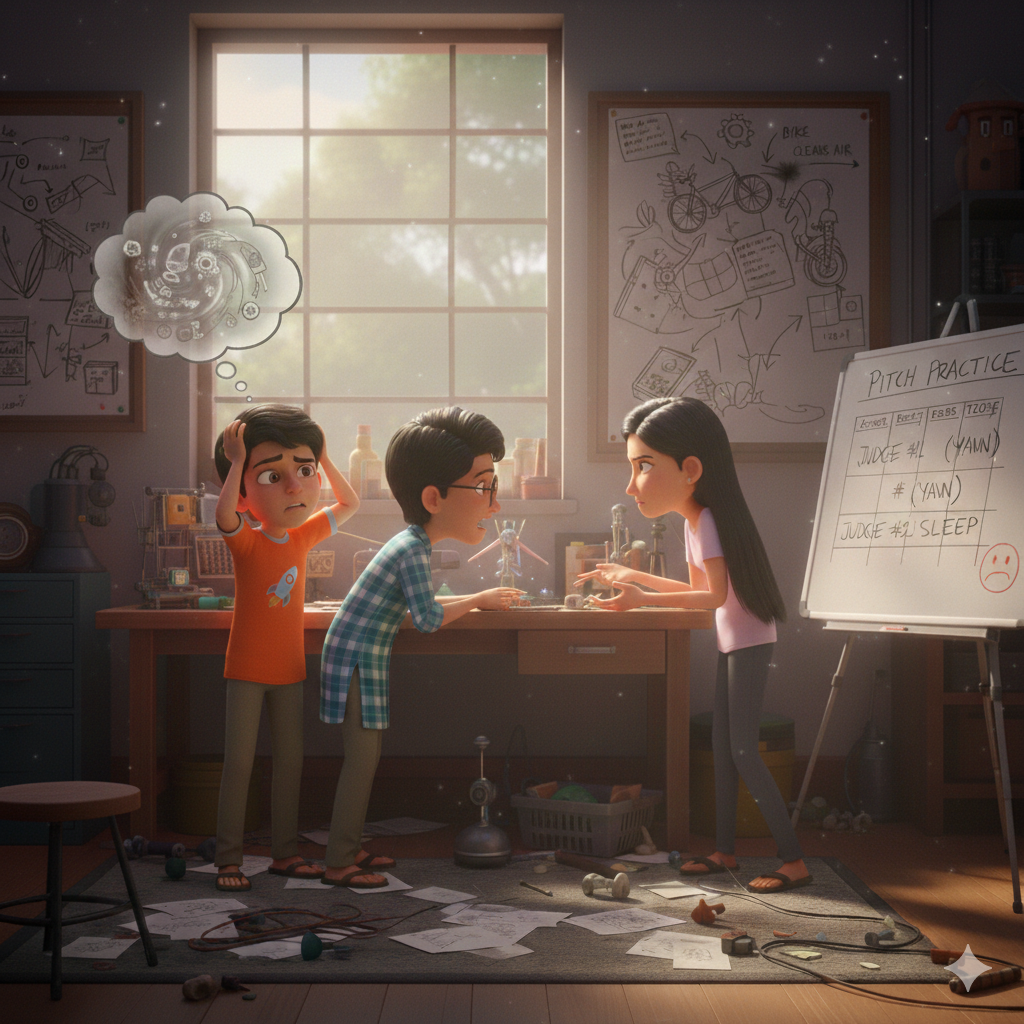
Soon, the school announced the ultimate adventure: the “Inventor’s Quest”—a city-wide challenge where teams built eco-gadgets to solve real problems, like a solar water purifier, and pitched them to judges in a thrilling demo race through a science park. Sanjay teamed up with friends Priya and Vikram. They brainstormed a cool bike that cleaned air while riding, but chaos hit: Sanjay’s mental ideas were jumbled, and their talks got messy—no clear plans, sketches, or steps. Practice pitches flopped.
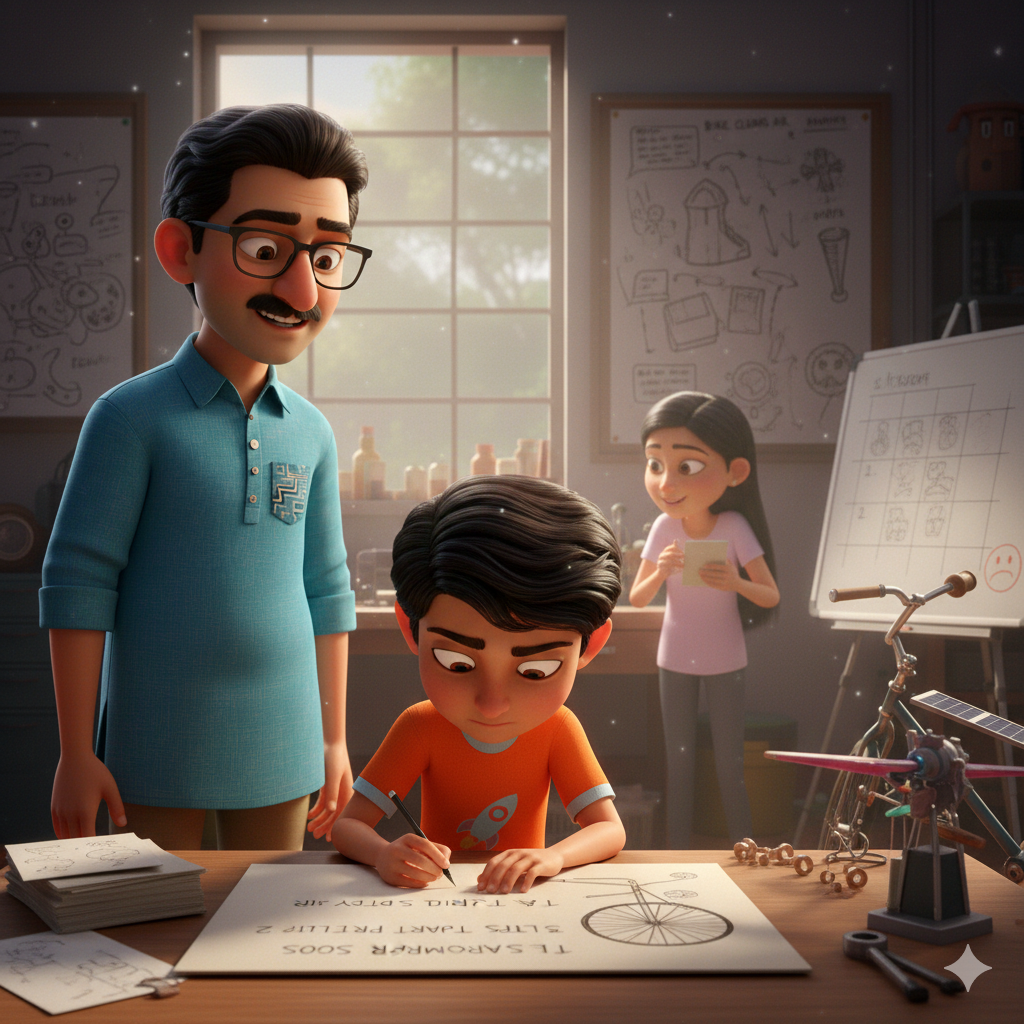
Dad stepped in as mentor. “First, sharpen your thoughts—number steps, draw diagrams. Then, speak them out loud clearly. They’re your eyes!” Sanjay tried. He sat quietly, organizing thoughts: 1. Fan pulls dirty air. 2. Filter traps dust. 3. Solar powers it. Then, he wrote simple words and practiced saying them confidently. His team rehearsed, eyes lighting up as ideas clicked into words.
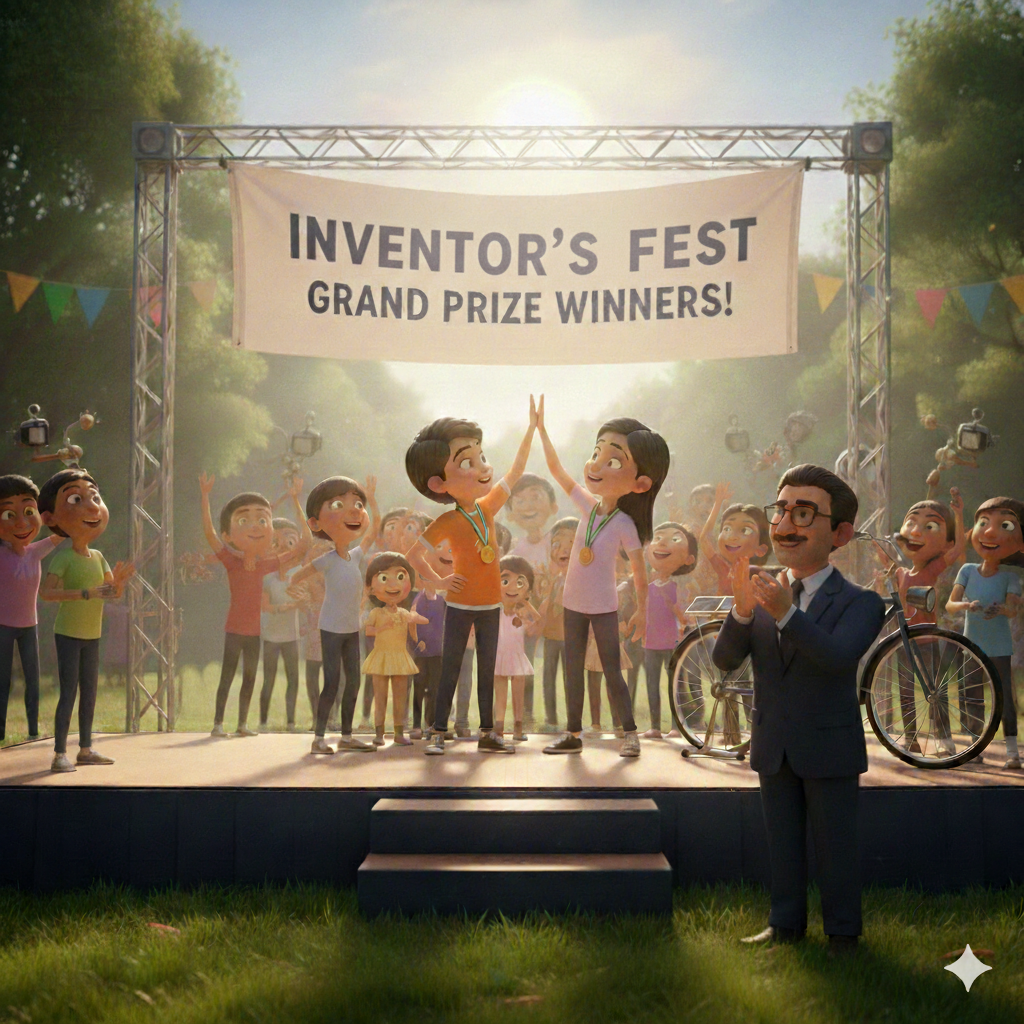
Demo day arrived. Teams raced park paths, unveiling inventions. Sanjay’s group shone—their pitch was sharp, demo flawless. Judges raved: “Crystal-clear thinking and explanation!” They won the grand prize: a lab tour and medals. Friends high-fived; Priya whispered, “Your brain-eyes saved us!”
Dad grinned. “See? Thoughts and words are life’s eyes—they light the path to success.” He shared the Kural:
Eṇṇenba ēṉai ezhuttemba ivviṟaṇṭum
Kaṇṇenba vāḻum uyirkkū.
எண்ணென்ப ஏனை எழுத்தென்ப இவ்விரண்டும்
கண்ணென்ப வாழும் உயிர்க்கு.
Sanjay felt unstoppable, ready to invent more with his “eyes” guiding the way.
Moral
Thought and word—these two are eyes to living beings.
Let’s read the same story in Tamil..
தெளிவான எண்ணம், தெளிவான சொல்
எண்ணமும் சொலும் – வாழ்வின் கண்கள்
பெங்களூரில் உள்ள ஒரு சுறுசுறுப்பான தொழில்நுட்பக் குடும்பத்தில் 12 வயது சஞ்சய் வாழ்ந்து வந்தான். அவனுடைய அப்பா ஒரு பொறியாளர். “ஒருநாள் நான் அப்பாவைப் போல புதுமையான கருவிகளை கண்டுபிடிக்க வேண்டும்!” என்று அவன் கனவு கண்டான்.
ஆனால் பள்ளியின் அறிவியல் திட்டங்களில் சஞ்சய்க்கு சற்று சிரமம் இருந்தது. அவன் மனதில் நிறைய புதுமையான யோசனைகள் வந்தாலும், அவற்றை சரியாக ஒழுங்குபடுத்த முடியவில்லை. சில விஷயங்களை மறந்துவிடுவான்; சில சமயம் தனது யோசனைகளை தெளிவாக விளக்க முடியாமல் தடுமாறிவிடுவான்.
ஒரு மாலை குடும்பத்துடன் விளையாட்டு நேரத்தில் சஞ்சயின் ஏமாற்றத்தை கவனித்த அப்பா மெதுவாக சொன்னார்:
“வாழ்க்கையில் எண்ணங்களும் சொற்களும் கண்களைப் போல. அவை தெளிவாக இருந்தால் தான் வழி தெரியும்.”
அவர் பழைய ஒரு தமிழ் குறள் குறிப்புப் புத்தகத்தை எடுத்துக் காட்டினார்.
சில நாட்களுக்குப் பிறகு பள்ளியில் “Inventor’s Quest” என்ற நகரம் முழுவதும் நடைபெறும் சாகச அறிவியல் போட்டி அறிவிக்கப்பட்டது. மாணவர்கள் சுற்றுச்சூழலுக்கு உதவும் கருவிகளை உருவாக்கி, விஞ்ஞான பூங்காவில் நடக்கும் ஒரு சுவாரஸ்யமான நிகழ்ச்சியில் நீதிபதிகளுக்கு விளக்க வேண்டும்.
சஞ்சய் தனது நண்பர்கள் பிரியா மற்றும் விக்ரமுடன் சேர்ந்து ஒரு புதுமையான யோசனை வைத்தான் — சைக்கிள் ஓட்டும்போது காற்றை சுத்தப்படுத்தும் ஒரு கருவி!
ஆனால் ஆரம்பத்தில் எல்லாம் குழப்பமாகிவிட்டது. சஞ்சயின் யோசனைகள் மனதில் கலந்துபோயின. திட்டம், வரைபடம், படிகள் எதுவும் தெளிவாக இல்லை. அவர்கள் பயிற்சி விளக்கங்களும் சரியாக அமையவில்லை. சில நீதிபதிகள் கூட சலிப்புடன் பார்த்தார்கள்.
அப்போது அப்பா உதவ வந்தார்.
“முதலில் எண்ணங்களைத் தெளிவுபடுத்து. படிகளாக எழுதிக் கொள். வரைபடம் வரை. பிறகு அதை தெளிவாகச் சொல்லிப் பழகு. எண்ணமும் சொலும் தான் வாழ்க்கையின் கண்கள்,” என்றார்.
சஞ்சய் அமைதியாக அமர்ந்து யோசனைகளை ஒழுங்குபடுத்த ஆரம்பித்தான்.
- சைக்கிளில் சிறிய விசிறி காற்றை இழுக்கும்.
- வடிகட்டி தூசியை பிடிக்கும்.
- சோலார் சக்தி கருவிக்கு மின்சாரம் தரும்.
பின்னர் அவன் எளிய சொற்களில் அதை எழுதிக் கொண்டு தன்னம்பிக்கையுடன் பேசிப் பழகினான். நண்பர்களும் சேர்ந்து மீண்டும் மீண்டும் பயிற்சி செய்தனர்.
போட்டி நாள் வந்தது. பல அணிகள் தங்கள் கண்டுபிடிப்புகளை காட்டின. சஞ்சயின் அணி மிகவும் தெளிவாகவும் சுவாரஸ்யமாகவும் விளக்கியது. அவர்களின் விளக்கமும் காட்சி நிகழ்ச்சியும் அனைவரையும் கவர்ந்தது.
“அருமையான தெளிவான சிந்தனையும் விளக்கமும்!” என்று நீதிபதிகள் பாராட்டினர்.
அவர்களின் அணி முதல் பரிசை வென்றது — விஞ்ஞான ஆய்வக சுற்றுப்பயணம் மற்றும் பதக்கங்கள்!
நண்பர்கள் மகிழ்ச்சியுடன் கைகொட்டி வாழ்த்தினர். பிரியா சிரித்தபடி சொன்னாள்:
“உன் ‘மனக் கண்கள்’ தான் நம்மை வெற்றி பெறச் செய்தது!”
அப்பா மகிழ்ச்சியாக சிரித்தார்.
“பார்த்தாயா? எண்ணமும் சொலும் வாழ்க்கையின் கண்கள். அவை தெளிவாக இருந்தால் வெற்றியின் பாதை தெரியும்,” என்றார்.
பின்னர் அவர் Thiruvalluvar இயற்றிய குறளை வாசித்தார்:
எண்ணென்ப ஏனை எழுத்தென்ப இவ்விரண்டும்
கண்ணென்ப வாழும் உயிர்க்கு
சஞ்சய் உற்சாகமாக சிரித்தான். இனி தனது “கண்கள்” — எண்ணங்களும் சொற்களும் — வழிகாட்ட, இன்னும் பல கண்டுபிடிப்புகளை செய்யத் தயாராக இருந்தான்.
நீதி:
எண்ணத்தை ஒழுங்குபடுத்தி, தெளிவாகச்
சொன்னால் வெற்றி நிச்சயம்.
எழுத்துப்பிரதி
Eṇṇenba ēṉai ezhuttemba ivviṟaṇṭum
Kaṇṇenba vāḻum uyirkkū.
மூலத் தமிழ்
எண்ணென்ப ஏனை எழுத்தென்ப இவ்விரண்டும்
கண்ணென்ப வாழும் உயிர்க்கு.
Breaking it down
- எண்ணென்ப (Eṇṇenba) – எண்ணம் என்று (Thought is called), denoting mental conception.
- ஏனை (Ēṉai) – மற்றொன்று (The other one), the second item.
- எழுத்தென்ப (Ezhuttemba) – எழுத்து என்று (Word/writing is called), spoken or written expression.
- இவ்விரண்டும் (Ivviṟaṇṭum) – இவ் விரண்டும் (These two), both together.
- கண்ணென்ப (Kaṇṇenba) – கண் என்று (Eyes are called), likened to vision.
- வாழும் (Vāḻum) – வாழும் (Living), those that live or exist.
- உயிர்க்கு (Uyirkkū) – உயிருக்கு (To living beings/soul), for all life forms.
Trivia
- “ஏனை (Ēṉai),” a classical Tamil linker meaning “and the other,” was common in Sangam poetry
(c. 200 BCE–200 CE) for pairing concepts; it’s archaic in modern Tamil
but echoes in Telugu “ēnai” for “furthermore” in literature. - This metaphor of thought/word as eyes resembles Plato’s Phaedo (c. 380 BCE), where reason illuminates the soul like sight—Thiruvalluvar adapts it practically for daily life centuries later.
This bilingual story from ancient Tamil wisdom makes timeless life lessons accessible to readers worldwide — whether you’re discovering these universal truths for the first time, or sharing the beauty of your Tamil heritage with friends from any culture. Reading both English and Tamil versions side by side helps build language confidence, cultural connection, and a lifelong love for meaningful stories — perfect for classrooms, families, and friends around the globe.
Record your kid telling this story and the Kural, we will host it on our youtube page
<Youtube link>