

In Kuala Lumpur, Malaysia, 13-year-old Reyansh loved collecting things. He collected football cards, video game stickers, fancy pens, and even limited-edition sneakers. His room looked like a mini store.
But there was one problem.
Reyansh never shared anything.
If his cousins visited, he quickly locked his cupboard.
If friends asked to borrow a pen, he refused immediately.
Even during group projects, he kept extra supplies hidden in his bag.
His younger sister Mira once sighed,
“You have so many things… but nobody enjoys them with you.”
Reyansh ignored her.

One day, his school announced a “Community Innovation Fair.” Students had to work in teams and build useful projects from recycled materials.
Reyansh’s team planned to build a smart recycling robot.
Everyone brought useful materials except Reyansh. Even though he had many electronic parts at home, he secretly kept them locked away because he feared they might get damaged.
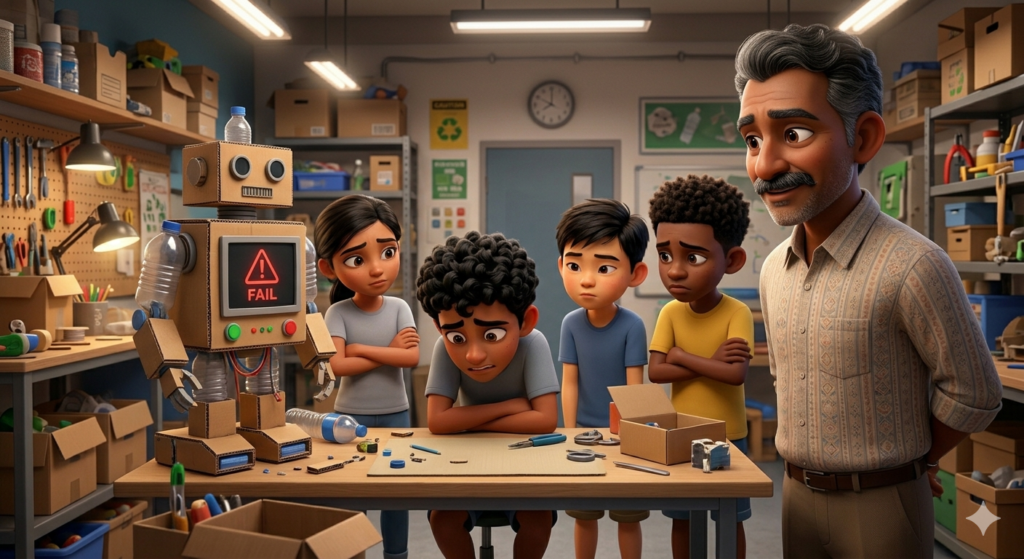
During practice, their robot kept failing because the team lacked proper sensors and wires.
Finally, their teacher Mr. Hafeez gently recited a Thirukkural:
Paṟṟuḷḷam eṉṉum ivaṟaṉmai eṟṟuḷḷum
eṇṇap paṭuvatoṉ ṟaṉṟu.
பற்றுள்ளம் என்னும் இவறன்மை எற்றுள்ளும்
எண்ணப் படுவதொன் றன்று.
Then he explained:
“Selfish attachment and unwillingness to share are among the worst faults a person can have.”
Those words made Reyansh uncomfortable.
That evening, he opened his cupboard and stared at all the things he had protected so carefully. Yet strangely, none of it made him truly happy.
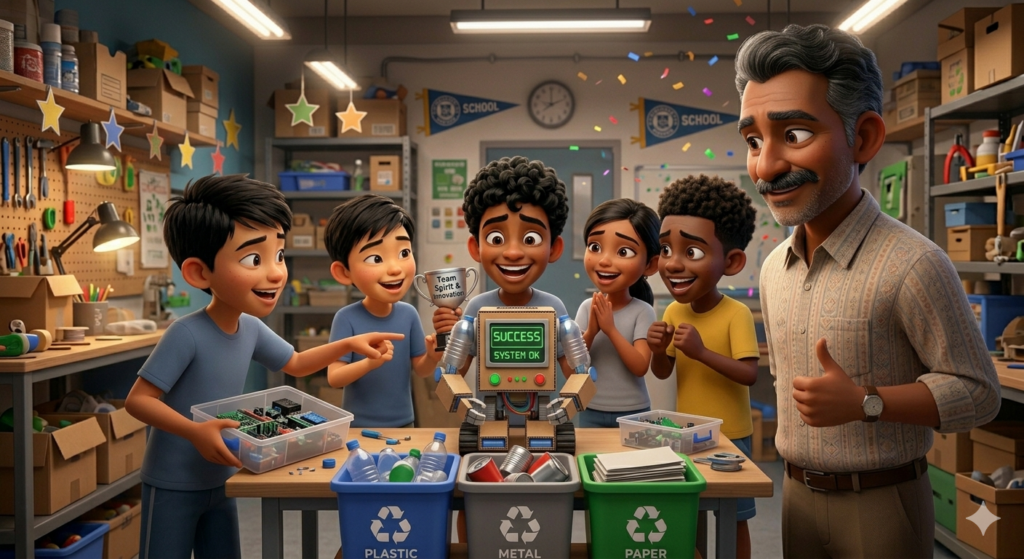
The next day, he surprised everyone.
He brought his spare robot sensors, batteries, and tools to school.
“Let’s use these,” he said quietly.
His teammates were shocked but excited.
Together, they fixed the robot successfully. It could now sort plastic, metal, and paper waste correctly.
On the day of the fair, their project won the “Best Community Idea” award.
But what made Reyansh happiest was not the prize.
It was hearing his teammates cheer,
“We couldn’t have done this without you!”
That evening, Reyansh smiled at his sister and shared his favorite football cards with her for the first time.
He finally understood the Kural’s wisdom — things become meaningful only when they help others too.
Moral
Selfish attachment and unwillingness to share are among the worst faults in a person.
Let’s read the same story in Tamil…
பகிர கற்ற சிறுவன்
மலேசியாவின் கோலாலம்பூர் நகரில் பதிமூன்று வயது ரேயான்ஷ் தனது குடும்பத்துடன் வாழ்ந்து வந்தான். அவனுக்கு பொருட்களை சேகரிப்பது மிகவும் பிடிக்கும்.
கால்பந்து கார்டுகள், வீடியோ கேம் ஸ்டிக்கர்கள், விலை உயர்ந்த பேனாக்கள், அரிய ஷூக்கள் — அவன் அறை முழுக்க சேகரிப்புகளால் நிரம்பியிருந்தது.
ஆனால் அவனிடம் ஒரு பெரிய குறை இருந்தது.
அவன் எதையும் யாரிடமும் பகிர மாட்டான்.
உறவினர்கள் வீட்டிற்கு வந்தால் உடனே தனது அலமாரியை பூட்டிவிடுவான்.
நண்பர்கள் பேனா கேட்டாலும் கூட தரமாட்டான்.
பள்ளி குழு வேலைகளிலும் கூட கூடுதல் பொருட்களை மறைத்து வைத்திருப்பான்.
ஒரு நாள் அவனுடைய தங்கை மீரா சோகமாகச் சொன்னாள்:
“உன்னிடம் இவ்வளவு பொருட்கள் இருக்கு… ஆனா அதை யாரும் சந்தோஷமா பயன்படுத்த முடியல.”
ரேயான்ஷ் அதை கவனிக்கவே இல்லை.
சில நாட்களுக்கு பிறகு பள்ளியில் “சமூக புதுமை கண்காட்சி” அறிவிக்கப்பட்டது.
மாணவர்கள் குழுவாக சேர்ந்து பயன்படும் ஒரு கருவியை உருவாக்க வேண்டும்.
ரேயான்ஷின் குழு மறுசுழற்சி செய்யக்கூடிய பொருட்களை பிரிக்கும் ஒரு ரோபோ உருவாக்க முடிவு செய்தது.
அனைவரும் தங்களால் முடிந்த பொருட்களை கொண்டு வந்தார்கள்.
ஆனால் ரேயான்ஷ் மட்டும் வீட்டில் இருந்த மின்னணு கருவிகளை கொண்டு வரவில்லை. அவை சேதமாகிவிடுமோ என்று பயந்தான்.
இதனால் அவர்களின் ரோபோ சரியாக வேலை செய்யவில்லை.
ஒரு நாள் ஆசிரியர் ஹபீஸ் சார் அமைதியாக ஒரு திருக்குறளைச் சொன்னார்:
பற்றுள்ளம் என்னும் இவறன்மை எற்றுள்ளும்
எண்ணப் படுவதொன் றன்று.
பின்னர் அவர் விளக்கினார்:
“பொருள்கள்மீது அதிக பற்றும், பகிராமல் வைத்திருக்கும் மனமும் மனிதனின் மிகப் பெரிய குறைகளில் ஒன்று.”
அந்த வார்த்தைகள் ரேயான்ஷின் மனதை தொட்டது.
அன்று இரவு அவன் தனது அலமாரியைத் திறந்து நீண்ட நேரம் பார்த்தான்.
அவ்வளவு பொருட்கள் இருந்தும், உண்மையான மகிழ்ச்சி இல்லை என்பதை உணர்ந்தான்.
அடுத்த நாள் பள்ளிக்கு வந்தபோது அனைவரும் ஆச்சரியப்பட்டார்கள்.
ரேயான்ஷ் தனது கூடுதல் சென்சார்கள், பேட்டரிகள், கருவிகள் அனைத்தையும் கொண்டு வந்திருந்தான்.
“இதையெல்லாம் பயன்படுத்தலாம்,” என்றான் மெதுவாக.
அவனுடைய நண்பர்கள் மகிழ்ச்சியடைந்தார்கள்.
அனைவரும் சேர்ந்து ரோபோவை சரியாக உருவாக்கினார்கள்.
அது பிளாஸ்டிக், காகிதம், உலோகம் ஆகியவற்றை தனித்தனியாக பிரித்துக் காட்டியது.
கண்காட்சி நாளில் அவர்களின் குழு “சிறந்த சமூக யோசனை” விருதை வென்றது.
ஆனால் ரேயான்ஷுக்கு கிடைத்த மிகப்பெரிய மகிழ்ச்சி பரிசு இல்லை.
“நீ இல்லாம இது முடியவே முடியாது!” என்று நண்பர்கள் சொன்னதே அவனை மகிழ்ச்சிப்படுத்தியது.
அன்று மாலை முதல் முறையாக தனது விருப்பமான கால்பந்து கார்டுகளை தங்கையுடன் பகிர்ந்தான்.
அப்போது அவனுக்கு திருக்குறளின் உண்மையான அர்த்தம் புரிந்தது.
பொருட்களை வைத்திருப்பதில் அல்ல… பகிர்வதில்தான் உண்மையான மகிழ்ச்சி இருக்கிறது.
நீதி
பொருள்களை மட்டும் பற்றிக்கொண்டு பகிராமல் இருப்பது மனிதனின் பெரிய குறைகளில் ஒன்று.
எழுத்துப்பிரதி
Paṟṟuḷḷam eṉṉum ivaṟaṉmai eṟṟuḷḷum
eṇṇap paṭuvatoṉ ṟaṉṟu
மூலத் தமிழ்
பற்றுள்ளம் என்னும் இவறன்மை எற்றுள்ளும்
எண்ணப் படுவதொன் றன்று
Breaking it down
- பற்றுள்ளம் (Paṟṟuḷḷam) – பற்று உள்ளம் (Possessive mind), attachment or clinging attitude.
- என்னும் (Eṉṉum) – என்று சொல்லப்படும் (Called/known as), referred to as.
- இவறன்மை (Ivaṟaṉmai) – இவறல் தன்மை (Miserliness), unwillingness to share.
- எற்றுள்ளும் (Eṟṟuḷḷum) – எல்லாவற்றிலும் (Among all faults), among every kind.
- எண்ணப் (Eṇṇap) – எண்ணப்பட (Considered), counted or regarded.
- படுவதொன் றன்று (Paṭuvatoṉ ṟaṉṟu) – ஒன்றல்ல (Not an ordinary one), considered a very serious fault.
Trivia
“பற்று” என்ற சொல் தமிழில் அன்பு, பிடிப்பு, ஆசை, சொந்த உணர்வு போன்ற பல அர்த்தங்களில் பயன்படுத்தப்படுகிறது. திருவள்ளுவர் இங்கு “அதிகமான பற்றுதல்” மனிதனை சுயநலமாக மாற்றும் என்று எச்சரிக்கிறார்.
புத்த தத்துவத்திலும் “attachment” என்பது துன்பத்தின் முக்கிய காரணமாக கூறப்படுகிறது. கி.மு. 5ஆம் நூற்றாண்டிலேயே இந்த சிந்தனை இந்தியத் தத்துவங்களில் பரவலாக இருந்தது.
This bilingual story from ancient Tamil wisdom makes timeless life lessons accessible to readers worldwide — whether you’re discovering these universal truths for the first time, or sharing the beauty of your Tamil heritage with friends from any culture. Reading both English and Tamil versions side by side helps build language confidence, cultural connection, and a lifelong love for meaningful stories — perfect for classrooms, families, and friends around the globe.
Record your kid telling this story and the Kural, we will host it on our YouTube page.
<Youtube link>