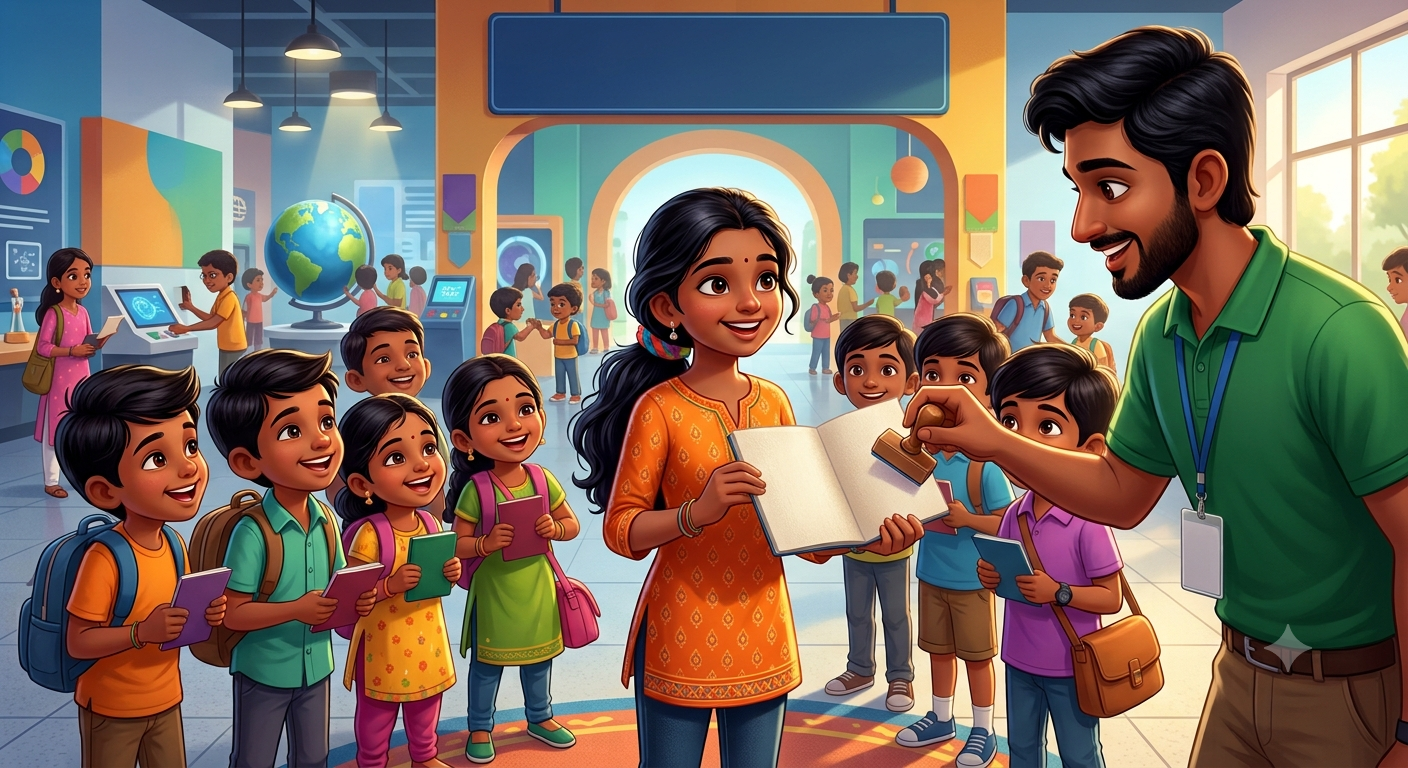
During the summer holidays, twelve-year-old Nila visited a large science museum with her classmates. At the entrance, every child received a small Museum Passport. Instead of collecting country stamps, they earned a stamp each time they explored an exhibit and learned something new.
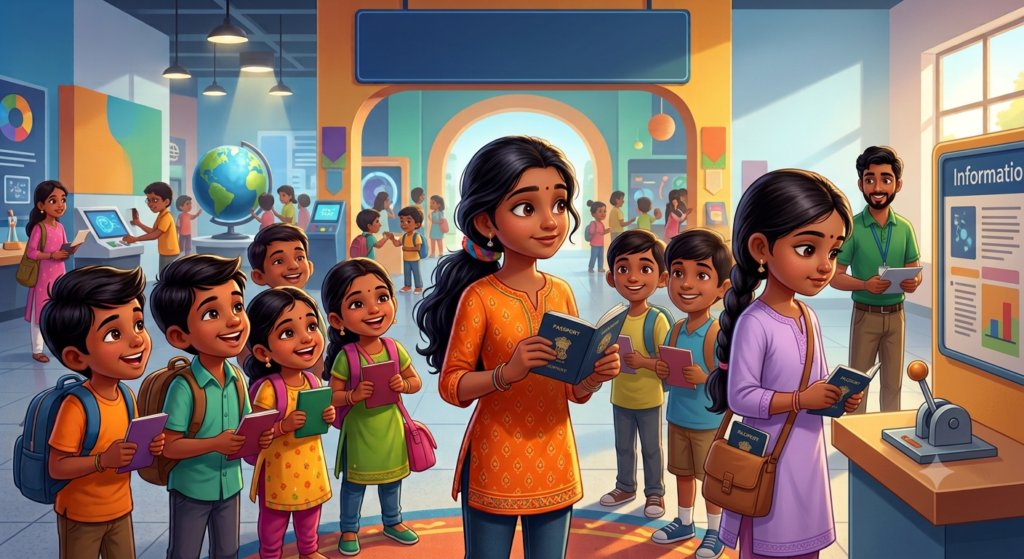
At first, Nila rushed from one exhibit to another, eager to fill every page of her passport. But she soon noticed another girl quietly reading every information board, asking thoughtful questions, and trying simple experiments before moving on. Curious, Nila decided to slow down too.
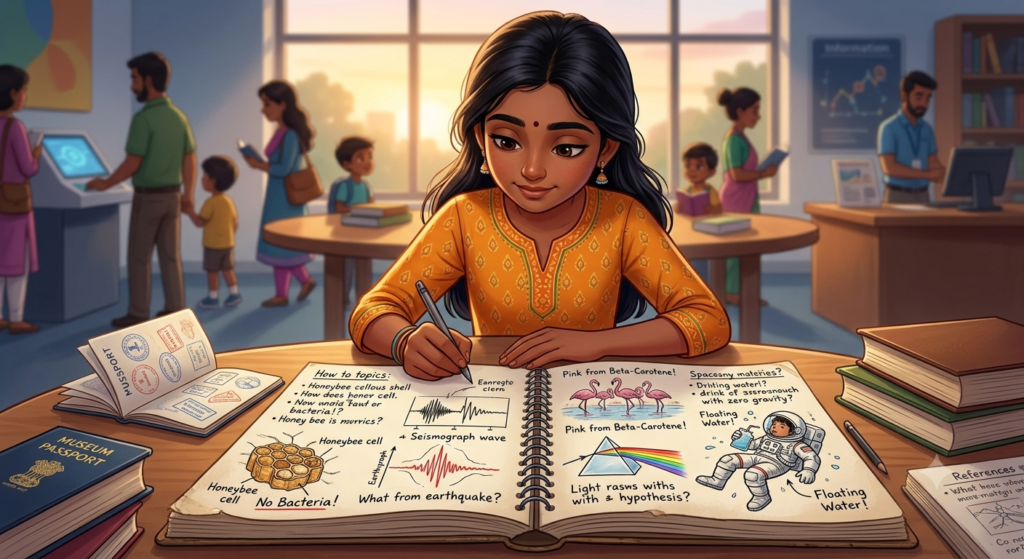
Soon she discovered why honey never spoils, how earthquakes are measured, why flamingos are pink, how rainbows form, and even how astronauts drink water in space. Every answer made her ask another question, and every question led her to another fascinating exhibit. By the end of the day, her passport had fewer stamps than many others, but her notebook was filled with new ideas, drawings, and questions she wanted to explore later.
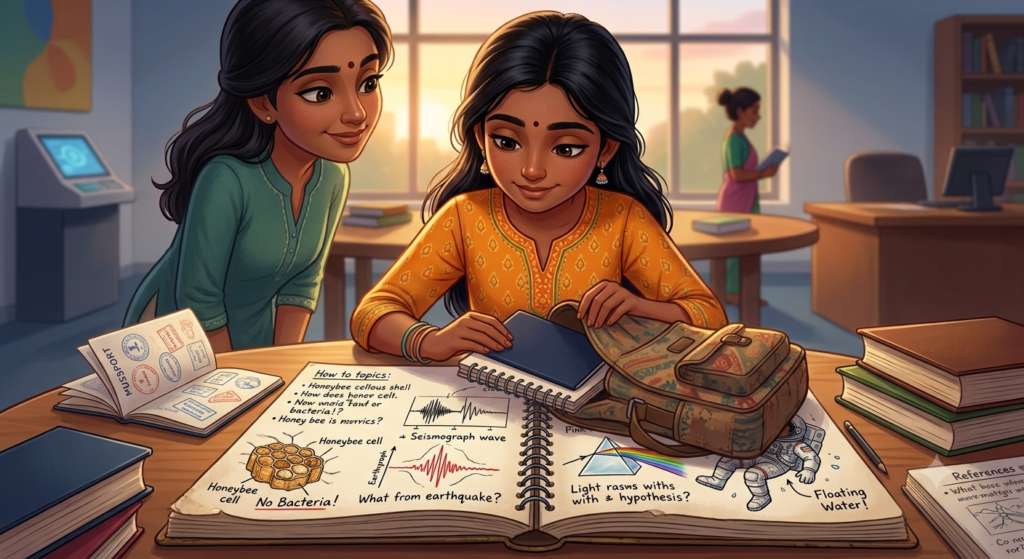
As the museum closed, Nila looked at the final page of her passport. Printed there were the words, “A full passport ends a journey. A curious mind begins another.” She smiled as she tucked it into her bag.
Her teacher, who had been watching her throughout the day, smiled and said, “You know, this reminds me of a Thirukkural.” She then recited:
தொட்டனைத் தூறும் மணற்கேணி மாந்தர்க்குக்
கற்றனைத் தூறும் அறிவு.
Thottaṉaith thūṟum maṇaṟkkēṇi māntharkkuk
kaṟṟaṉaith thūṟum aṟivu.
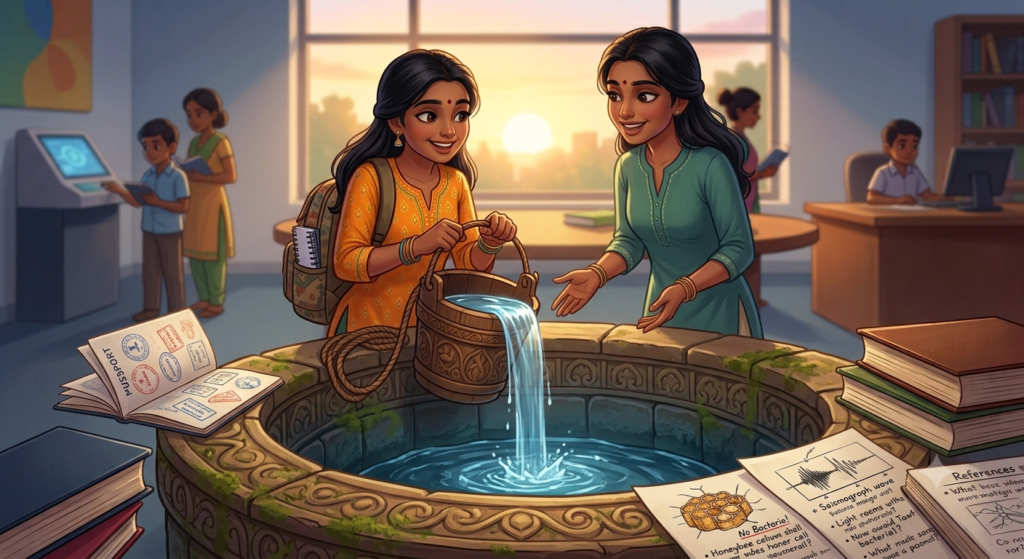
She explained, “Just as water keeps flowing from a sandy well whenever we draw from it, knowledge keeps growing whenever we continue to learn.” Nila looked at her notebook filled with questions and smiled. That day she realised that learning is like drawing water from a deep well—the more we draw, the more it continues to flow.
Moral
The more we learn, the more our knowledge grows. Curiosity keeps the well of learning flowing forever.
Let’s read the same story in Tamil…
அருங்காட்சியகப் பயண அட்டை
கோடை விடுமுறையில், பன்னிரண்டு வயது நிலா தனது வகுப்பு நண்பர்களுடன் ஒரு பெரிய அறிவியல் அருங்காட்சியகத்திற்குச் சென்றாள். நுழைவாயிலில் ஒவ்வொரு குழந்தைக்கும் ஒரு சிறிய “அருங்காட்சியகப் பயண அட்டை” வழங்கப்பட்டது. நாடுகளின் முத்திரைகளைச் சேகரிப்பதற்குப் பதிலாக, ஒவ்வொரு காட்சியையும் பார்த்து புதிய விஷயத்தைக் கற்றுக்கொள்ளும் போதெல்லாம் அந்த அட்டையில் ஒரு முத்திரை பதிக்கப்படும்.
ஆரம்பத்தில் நிலா எல்லா முத்திரைகளையும் விரைவாகச் சேகரிக்க வேண்டும் என்ற எண்ணத்தில் ஒவ்வொரு அரங்கையும் அவசரமாகச் சுற்றினாள். அப்போது மற்றொரு சிறுமி ஒவ்வொரு காட்சியையும் பொறுமையாகப் படித்து, கேள்விகள் கேட்டு, சிறிய சோதனைகளைச் செய்து பார்த்த பிறகே அடுத்த அரங்கிற்குச் செல்வதை அவள் கவனித்தாள். அதை பார்த்த நிலாவும் அவசரத்தை விட்டுவிட்டு ஒவ்வொரு காட்சியையும் ஆர்வத்துடன் ரசிக்கத் தொடங்கினாள்.
அன்று தேன் ஏன் பல ஆண்டுகள் கெடாமல் இருக்கிறது, நிலநடுக்கத்தின் அளவு எப்படி கணக்கிடப்படுகிறது, ஃபிளமிங்கோ பறவைகள் ஏன் இளஞ்சிவப்பு நிறத்தில் இருக்கின்றன, வானவில் எப்படி உருவாகிறது, விண்வெளி வீரர்கள் எப்படித் தண்ணீர் குடிக்கிறார்கள் போன்ற பல ஆச்சரியமான விஷயங்களைக் கற்றுக்கொண்டாள். ஒவ்வொரு பதிலும் இன்னொரு கேள்வியை உருவாக்கியது; ஒவ்வொரு கேள்வியும் அவளை இன்னொரு புதிய காட்சியிடம் அழைத்துச் சென்றது. நாள் முடிவில் மற்ற குழந்தைகளைவிட அவளுடைய அட்டையில் முத்திரைகள் குறைவாக இருந்தன. ஆனால் அவளுடைய குறிப்பேடு புதிய தகவல்கள், வரைபடங்கள், கேள்விகள் என நிரம்பியிருந்தது.
அருங்காட்சியகம் மூடப்படும் நேரத்தில், தனது பயண அட்டையின் கடைசி பக்கத்தை நிலா திறந்தாள். அதில், “முத்திரைகள் நிரம்பினால் பயணம் முடியும்; ஆனால் ஆர்வம் நிரம்பினால் புதிய பயணம் தொடங்கும்,” என்று எழுதப்பட்டிருந்தது. அந்த வாசகத்தைப் படித்தபோது அவள் சிரித்தாள்.
அவளுடைய ஆசிரியர் அவளைப் பார்த்து சிரித்தபடி, “நிலா, இதைப் பார்த்ததும் எனக்கு ஒரு திருக்குறள் நினைவுக்கு வருகிறது,” என்றார். பிறகு அவர் கூறினார்:
தொட்டனைத் தூறும் மணற்கேணி மாந்தர்க்குக்
கற்றனைத் தூறும் அறிவு.
“மணற்கேணியில் எவ்வளவு தண்ணீர் எடுத்தாலும் மீண்டும் ஊறிவருவது போல, நாம் கற்றுக்கொண்டே இருந்தால் அறிவும் தொடர்ந்து பெருகிக்கொண்டே இருக்கும்,” என்று ஆசிரியர் விளக்கினார். தனது கேள்விகளால் நிரம்பிய குறிப்பேட்டைப் பார்த்த நிலா சிரித்தாள். அன்று அவள் உணர்ந்தாள்—கற்றல் என்பது ஒரு பயணம் போன்றது; நாம் தொடர்ந்து தேடும்போது, அறிவும் தொடர்ந்து பெருகிக்கொண்டே இருக்கும்.
நீதி
கற்றல் ஒருபோதும் முடிவதில்லை. ஆர்வத்துடன் தொடர்ந்து கற்றுக்கொண்டே இருந்தால், அறிவு நாளுக்கு நாள் பெருகிக்கொண்டே இருக்கும்.
எழுத்துப்பிரதி
Thottaṉaith thūṟum maṇaṟkkēṇi māntharkkuk
kaṟṟaṉaith thūṟum aṟivu.
மூலத் தமிழ்
தொட்டனைத் தூறும் மணற்கேணி மாந்தர்க்குக்
கற்றனைத் தூறும் அறிவு.
Breaking it down
- தொட்டனைத் தூறும் – தோண்டத் தோண்ட ஊறிவரும் (The more you draw, the more it springs)
- மணற்கேணி – மணலில் தோண்டிய கிணறு (A sandy well)
- மாந்தர்க்கு – மனிதர்களுக்கு (For people)
- கற்றனைத் தூறும் – கற்கக் கற்க பெருகும் (Knowledge grows as learning grows)
- அறிவு – ஞானம், புரிதல் (Knowledge and wisdom)
Trivia
இந்தக் குறள் கல்வி அதிகாரத்தில் இடம்பெறுகிறது. மணற்கேணியில் தொடர்ந்து தண்ணீர் எடுத்தாலும் அது மீண்டும் ஊறி வருவது போல, மனிதன் தொடர்ந்து கற்றுக்கொண்டே இருந்தால் அறிவும் முடிவில்லாமல் பெருகும் என்று திருவள்ளுவர் கூறுகிறார். உண்மையான கல்வி என்பது தேர்வில் மதிப்பெண் பெறுவதற்காக மட்டுமல்ல; வாழ்நாள் முழுவதும் ஆர்வத்துடன் புதிய விஷயங்களை அறிந்து வளர்வதற்கான ஒரு தொடர்ச்சியான பயணமாகும்.
This bilingual story from ancient Tamil wisdom makes timeless life lessons accessible to readers worldwide—whether you’re discovering these universal truths for the first time, or sharing the beauty of your Tamil heritage with friends from any culture. Reading both English and Tamil versions side by side helps build language confidence, cultural connection, and a lifelong love for meaningful stories—perfect for classrooms, families, and friends around the globe.
Record your kid telling this story and the Kural, and we will host it on our YouTube page.
<YouTube link>