

In the serene backwaters of Alleppey, Kerala (India), 14-year-old Kabir lived with his family. His uncle, a boatman guide, taught, “Fear only true harm—foolishness and losing virtue.” Kabir feared school stage fright and bullies more than real risks. One weekend, the school planned an exhilarating adventure: a backwater survival trek—canoeing challenges, island puzzles, and night marsh quests. Kabir trembled at the “scary” rapids demo, backing out despite team pleas. Uncle shared a Tamil verse:
Añchuvat tañchāmai pēthaimai añchuvat
Añchal aṟivār thoḻil.
அஞ்சுவ தஞ்சாமை பேதைமை அஞ்சுவது
அஞ்சல் அறிவார் தொழில்.

He explained, “the wise fear only shamelessness and folly—not trivial scares; that’s their duty.” Inspired, Kabir joined. First challenge: canoe through swirling waters. Bullies jeered, but Kabir focused—steady paddles, calm breaths—team glided safe, earning cheers. On a foggy island puzzle, fear of “ghosts” (marsh lights) hit, but he sought clues methodically, decoding riddles on ecology, guiding victory. Night trek: dark paths, eerie sounds.

Kabir led, ignoring superficial frights, spotting safe paths via stars and sounds. When a teammate panicked near quicksand, Kabir stayed composed, pulling them out with vine ropes. No falls, full badges! They won “Fearless Navigators.”
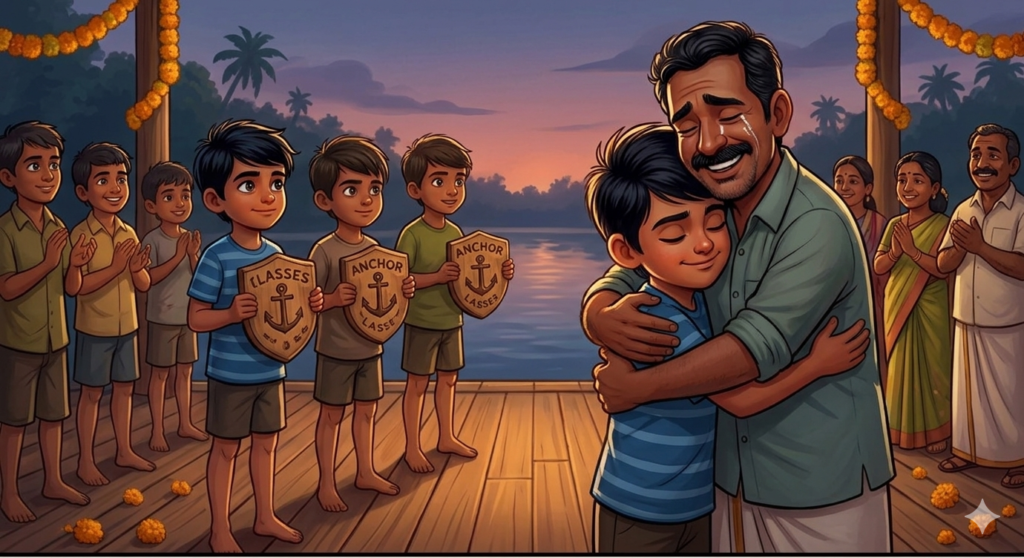
Uncle hugged him: “You feared only what harms character!” Kabir shone, conquering stage speeches fearlessly, befriending bullies through kindness. True fears guided his triumphs.
Moral
To dread shamelessness and folly, and nothing else, is the function of the wise.
Let’s read the same story in Tamil..
பயத்தை வென்ற அறிவு
கேரளாவின் அழகான ஆலப்புழை பின்நீர்ப் பகுதிகளில் 14 வயது கபீர் தனது குடும்பத்துடன் வாழ்ந்து வந்தான். அவன் மாமா ஒரு படகு வழிகாட்டி.
“எல்லாவற்றையும் பயப்பட வேண்டாம்… உண்மையில் தீங்கு தருவதையே பயப்பட வேண்டும்,” என்று அவர் அடிக்கடி சொல்லுவார்.
ஆனால் கபீர் சிறிய விஷயங்களுக்கே பயந்து போவான். மேடையில் பேசுவது, நண்பர்கள் கேலி செய்வது—இவையெல்லாம் அவனுக்கு பெரிய பயமாக இருந்தது.
ஒரு நாள் பள்ளியில் சாகச முகாம் நடந்தது. படகு ஓட்டுதல், தீவுகளில் புதிர்கள், இரவு நடைபயணம் போன்ற பல சவால்கள் இருந்தன.
முதல் சவாலாக வேகமான நீரில் படகு ஓட்ட வேண்டும். அதை பார்த்தவுடன் கபீர் பயந்து பின்னடித்தான்.
அப்போது அவன் மாமா ஒரு திருக்குறளை நினைவூட்டினார்:
அஞ்சுவ தஞ்சாமை பேதைமை அஞ்சுவது
அஞ்சல் அறிவார் தொழில்.
அதன் பொருள்:
“அறிவாளிகள் எல்லாவற்றையும் பயப்பட மாட்டார்கள். உண்மையில் பயப்பட வேண்டியதை மட்டும் தான் பயப்படுவார்கள்.”
இந்த வார்த்தைகள் கபீரை யோசிக்க வைத்தது.
அவன் தைரியமாக படகில் ஏறினான். ஆரம்பத்தில் பயமாக இருந்தாலும், மெதுவாக கவனமாக ஓட்டினான். அவன் குழு பாதுகாப்பாக கடந்து சென்றது.
அடுத்ததாக ஒரு தீவில் புதிர். இருள், மாய ஒளிகள்—எல்லாம் பயமுறுத்தியது. ஆனால் இந்த முறை கபீர் பயத்தை விட்டுவிட்டு அமைதியாக யோசித்தான். புதிரை சரியாக தீர்த்தான்.
இரவு நடைபயணத்தில் கபீர் குழுவை வழிநடத்தினான். பயப்படாமல் பாதையை கவனித்தான்.
ஒரு நண்பன் திடீரென பதட்டமடைந்தபோது, கபீர் அமைதியாக இருந்து அவனை காப்பாற்றினான்.
அவர்களின் குழு அனைத்து சவால்களையும் வெற்றி பெற்றது. “தைரியமான வழிகாட்டிகள்” என்ற விருதையும் பெற்றனர்.
மாமா மகிழ்ச்சியுடன் கூறினார்:
“இப்போது உனக்கு புரிந்ததா? பயப்பட வேண்டியதை மட்டும் பயப்பட வேண்டும்.”
அந்த நாளிலிருந்து கபீர் தேவையற்ற பயங்களை விட்டுவிட்டு தைரியமாக வாழ ஆரம்பித்தான்.
நீதி
உண்மையில் பயப்பட வேண்டியதை மட்டும் பயப்படுவது தான் அறிவு.
எழுத்துப்பிரதி
Añchuvat tañchāmai pēthaimai añchuvat
añchal aṟivār thoḻil.
மூலத் தமிழ்
அஞ்சுவ தஞ்சாமை பேதைமை அஞ்சுவது
அஞ்சல் அறிவார் தொழில்.
Breaking it down
- அஞ்சு (Añchu) – அஞ்சுதல் (añchuthal), fear.
- வ (Va) – வத் (vatha), what (object).
- தஞ்சா (Tañchā) – தஞ்சாமை (tañchāmai), shamelessness.
- மை (Mai) – மை (mai), ness (quality).
- பேதை (Pēthai) – பேதை (pēthai), folly or foolishness.
- மை (Mai) – மை (mai), ness.
- அஞ்சு (Añchu) – அஞ்சுதல் (añchuthal), fear.
- வது (Vathu) – வது (vathu), that which.
- அஞ்சல் (Añchal) – அஞ்சல் (añchal), only this.
- அறிவார் (Aṟivār) – அறிவார் (aṟivār), the wise.
- தொழில் (Thoḻil) – தொழில் (thoḻil), duty or function.
Trivia
“தஞ்சாமை (Tañchāmai)” from taṉ– (self) + chām (shame lack), Sangam vice (c. 300 BCE); modern “naṇḷ” (shame) echoes, survives in Malayalam “tañchām” for shameless acts.
Parallels Stoic Seneca (c. 4 BCE): Fear moral failing over physical harm—Thiruvalluvar’s wise prioritize virtue’s preservation.
This bilingual story from ancient Tamil wisdom makes timeless life lessons accessible to readers worldwide — whether you’re discovering these universal truths for the first time, or sharing the beauty of your Tamil heritage with friends from any culture. Reading both English and Tamil versions side by side helps build language confidence, cultural connection, and a lifelong love for meaningful stories — perfect for classrooms, families, and friends around the globe.
Record your kid telling this story and the Kural, we will host it on our youtube page
<Youtube link>