
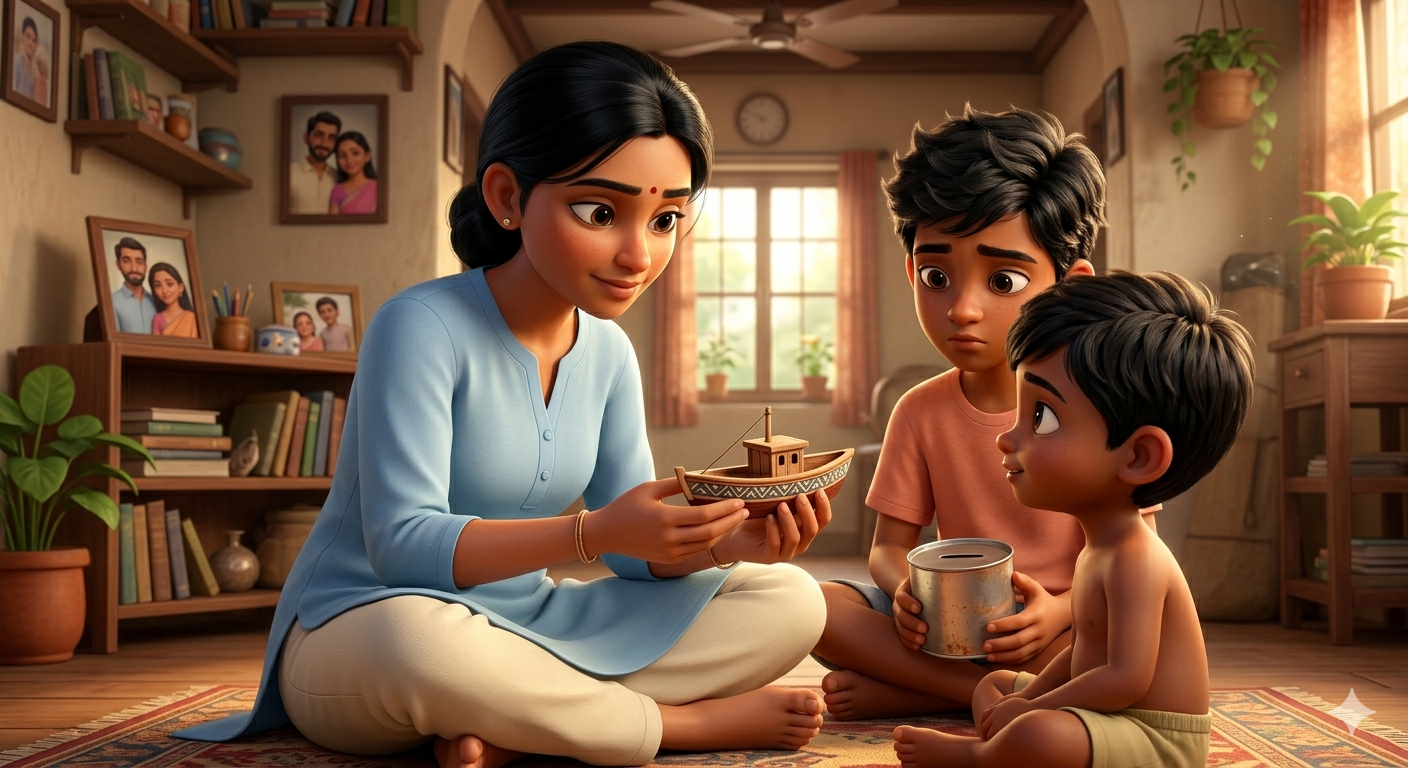
In the sunny beaches of Goa, India, 12-year-old Vivek lived with his family. His mom was a nurse, always helping patients with a smile, even after long shifts. Vivek thought big donations made the real difference, not small favors.
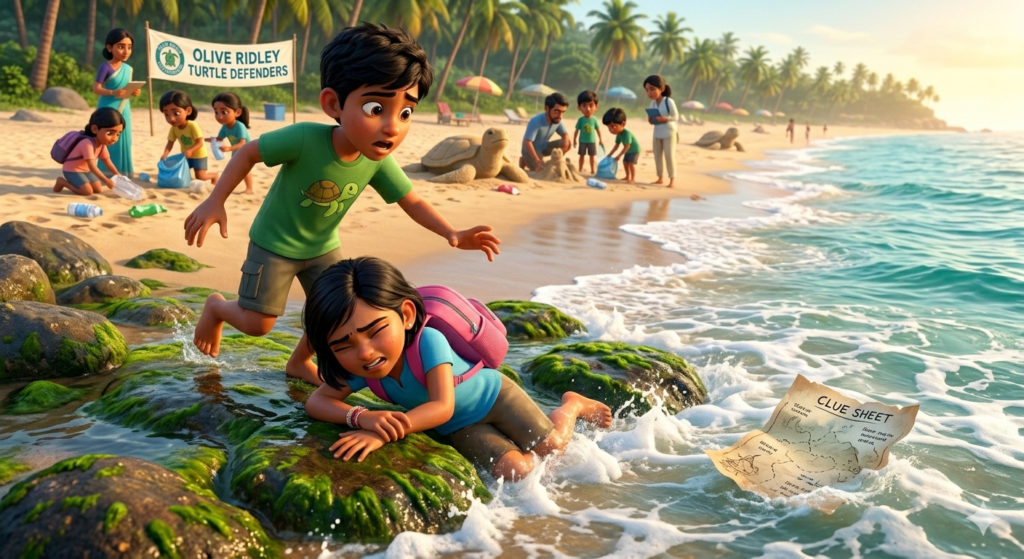
One weekend, their school launched a thrilling beach adventure: a cleanup drive and eco-treasure hunt to save endangered olive ridley turtles. Vivek tagged along, half-expecting it to be boring. Midway, his classmate Sofia slipped on wet rocks, spraining her wrist and dropping their team’s vital clue sheet into the surf.
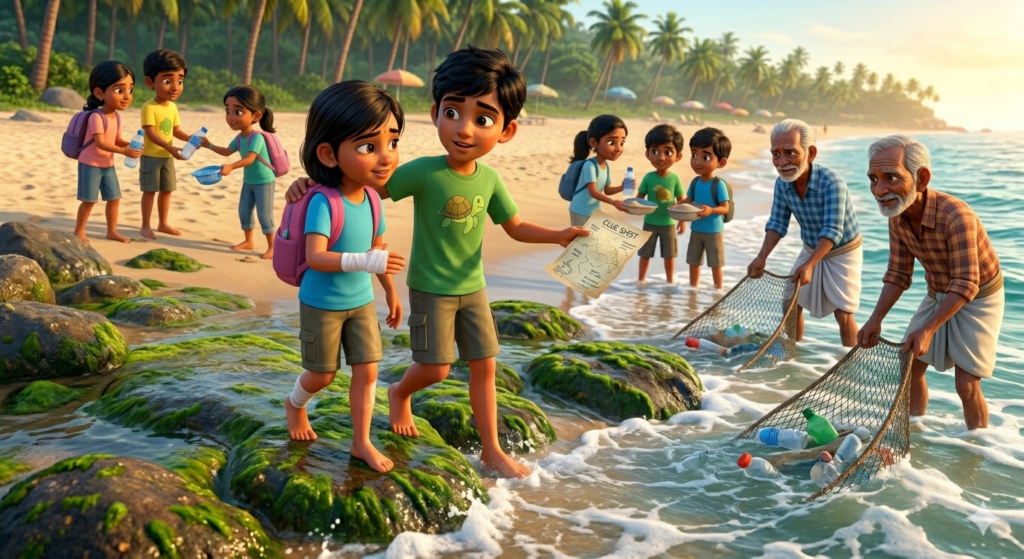
Panic spread—the hunt was ruined! Vivek recalled his mom’s advice about quiet help. He quickly shared his team’s extra clues and steadied Sofia while others bandaged her wrist. “It’s okay, let’s keep going together,” he encouraged. His teammates frowned, fearing they’d fall behind, but Vivek said, “True help doesn’t wait for thanks—that’s the adventure!” Word spread fast. Sofia’s group offered their tools and water. Local fishermen joined, sharing nets to collect more trash.
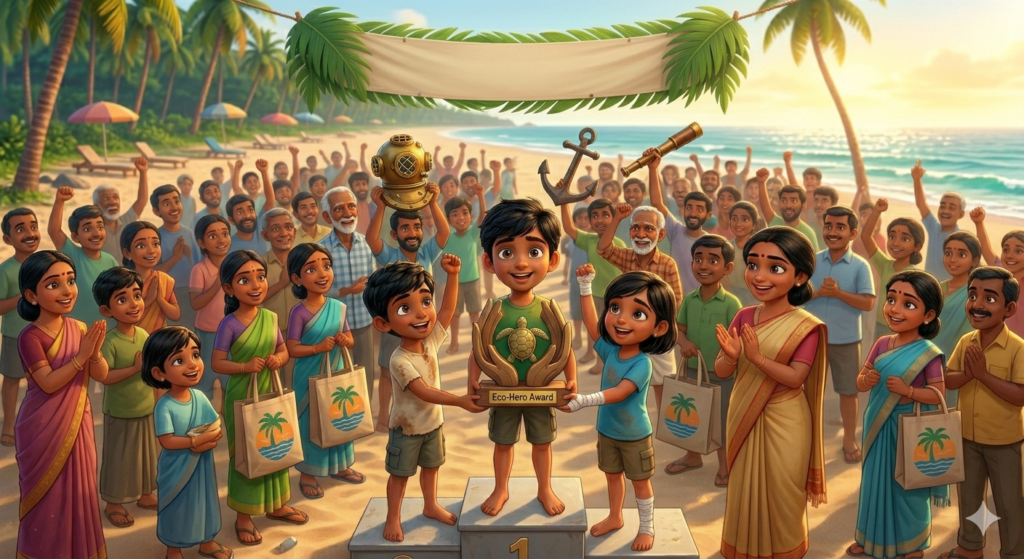
A shopkeeper donated reusable bags. What started as one favor exploded into a beach transformation—they cleared tons of plastic, built turtle nests, and uncovered “treasures” like washed-up gear to recycle. Vivek’s team earned the top eco-hero award amid cheers. The teacher beamed, “Your kindness created waves of good!” At home, Vivek’s mom recited a Tamil verse:
Payaṉthūkkār seitha udhavi nayanthūkkiṉ
naṉmai kaṭaliṉ peridhu.
பயன்தூக்கார் செய்த உதவி நயன்தூக்கின்
நன்மை கடலின் பெரிது.
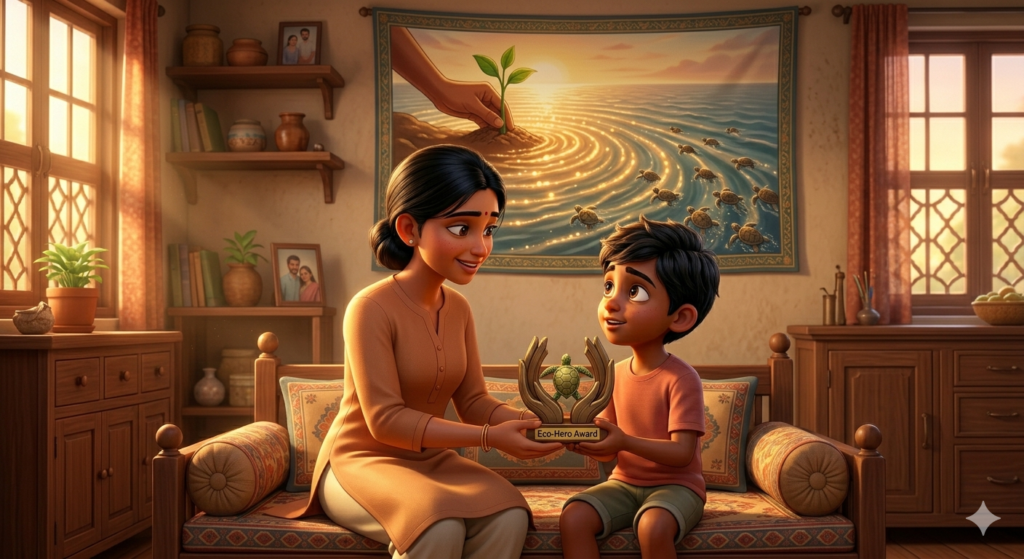
She smiled, “This Kural means the good from a favor done without expecting reward is vaster than the ocean.” Vivek’s eyes lit up—he saw how one selfless act rippled into massive change, like endless waves. Now, he helps everywhere, watching kindness grow boundless.
Moral
The benefit from a favor done expecting no return is greater than the ocean.
Let’s read the same story in Tamil..
முடிவில்லா நன்மையின் அலை
கோவாவின் அழகான கடற்கரை பகுதியில் 12 வயது விவேக் தனது குடும்பத்துடன் வாழ்ந்து வந்தான். அவன் அம்மா ஒரு செவிலியர். வேலை எவ்வளவு கடினமாக இருந்தாலும், நோயாளிகளுக்கு எப்போதும் புன்னகையுடன் உதவி செய்வாள்.
ஆனால் விவேக் வேறொரு எண்ணத்தில் இருந்தான்.
“பெரிய உதவி செய்தால்தான் பெரிய மாற்றம் வரும்; சிறிய உதவிகளால் என்ன பயன்?” என்று அவன் நினைத்துக் கொண்டிருந்தான்.
ஒரு வார இறுதியில், பள்ளி மாணவர்களுக்கு கடற்கரையில் ஒரு சுவாரஸ்யமான நிகழ்ச்சி நடத்தப்பட்டது. கடற்கரையை சுத்தம் செய்வதும், சுற்றுச்சூழலை பாதுகாப்பதும் அதன் நோக்கம். அதோடு சிறிய “பொக்கிஷ வேட்டை” விளையாட்டும் ஏற்பாடு செய்யப்பட்டிருந்தது.
மாணவர்கள் குழுக்களாகப் பிரிந்து கடற்கரையில் குப்பைகளை சேகரித்து கொண்டிருந்தனர். அந்த நேரத்தில் விவேக்கின் தோழி சோஃபியா ஈரமான கல்லில் வழுக்கி விழுந்தாள். அவளின் கை சற்று வலித்தது. மேலும், அவர்களின் குழுவிற்கு மிகவும் முக்கியமான குறிப்பு தாள் கடலலைகளில் விழுந்து போயிற்று.
“இப்போது நம்மால் விளையாட்டை தொடர முடியாது!” என்று சிலர் கவலையுடன் சொன்னார்கள்.
அந்த நேரத்தில் விவேக்குக்கு அவன் அம்மா அடிக்கடி சொல்லும் ஒரு விஷயம் நினைவுக்கு வந்தது — உதவி செய்யும்போது அதற்குப் பதில் எதிர்பார்க்கக் கூடாது.
விவேக் உடனே தனது குழுவில் இருந்த கூடுதல் குறிப்பு தாள்களை சோஃபியாவின் குழுவுடன் பகிர்ந்தான். மேலும் அவளை பிடித்து நிற்க உதவினான்.
“பரவாயில்லை… நாம் எல்லோரும் சேர்ந்து தொடரலாம்,” என்று அவன் உற்சாகப்படுத்தினான்.
அந்தச் சிறிய உதவி பெரிய மாற்றத்தை ஏற்படுத்தியது.
சோஃபியாவின் குழுவும் தங்களிடம் இருந்த கருவிகளையும் தண்ணீரையும் பகிர்ந்தனர். அருகில் இருந்த மீனவர்கள் கூட வலைகளை கொண்டு வந்து கடற்கரையில் இருந்த குப்பைகளை சேகரிக்க உதவினர். ஒரு கடைக்காரர் மறுபயன்பாட்டு பைகளையும் வழங்கினார்.
சிறிது நேரத்தில் முழு கடற்கரையும் சுத்தமாக மாறியது. பிளாஸ்டிக் குப்பைகள் அகற்றப்பட்டன. கடற்கரையில் ஆமைகள் பாதுகாப்பாக முட்டை இடும் இடங்களும் அமைக்கப்பட்டன.
நிகழ்ச்சி முடிவில், ஆசிரியர் மகிழ்ச்சியுடன் கூறினார்:
“விவேக் செய்த ஒரு சிறிய உதவிதான் இந்த நல்ல மாற்றத்தின் தொடக்கம். அந்த நல்ல செயல் அலைபோல் பரவியது!”
அன்று வீட்டிற்கு வந்தபோது, விவேக்கின் அம்மா ஒரு திருக்குறளைச் சொல்லிக் காட்டினாள்.
பயன்தூக்கார் செய்த உதவி நயன்தூக்கின்
நன்மை கடலின் பெரிது.
அந்தக் குறளை கேட்ட விவேக் மகிழ்ந்தான்.
ஒரு சிறிய நல்ல செயல் கூட பலரிடம் நன்மையை பரப்ப முடியும் என்பதை அவன் அந்த நாளில் உணர்ந்தான்.
நீதி
எதிர்பார்ப்பு இல்லாமல் செய்யும் உதவியின் நன்மை கடலைவிட பெரிது.
எழுத்துப்பிரதி
Payaṉthūkkār seitha udhavi nayanthūkkiṉ
naṉmai kaṭaliṉ peridhu.
மூலத் தமிழ்
பயன்தூக்கார் செய்த உதவி நயன்தூக்கின்
நன்மை கடலின் பெரிது.
Breaking it down
- பயன் (Payaṉ) – பயன் (payaṉ), benefit or gain.
- தூக்கார் (Thūkkār) – எதிர்பார்பவர் (ethirparpavar), one who expects.
- செய்த (Seitha) – செய்தல் (seithal), done or performed.
- உதவி (Udhavi) – உதவி (udhavi), help or favor.
- நயன் (Nayaṉ) – கண் (kaṇ), eye.
- தூக்கின் (Thūkkiṉ) – தூக்கின்ற (thūkkinṉṟa), expecting or looking for.
- நன்மை (Naṉmai) – நன்மை (naṉmai), goodness or benefit.
- கடல் (Kaṭal) – கடல் (kaṭal), ocean or sea.
- இன் (Iṉ) – இன் (iṉ), of or belonging to (possessive).
- பெரிது (Peridhu) – பெரியது (periyathu), greater or vastness.
Trivia
“நயன் (Nayaṉ)” is classical Tamil for “eye,” from Proto-Dravidian *nay- (to see); still used poetically in modern Tamil and survives in Malayalam as “nayanam” for eyes or vision, common in literature today.
Echoes Stoic Seneca (c. 4 BCE–65 CE) in On Benefits, who argued selfless giving yields infinite returns, like an ocean of virtue—paralleling Thiruvalluvar’s oceanic metaphor centuries earlier.
This bilingual story from ancient Tamil wisdom makes timeless life lessons accessible to readers worldwide — whether you’re discovering these universal truths for the first time, or sharing the beauty of your Tamil heritage with friends from any culture. Reading both English and Tamil versions side by side helps build language confidence, cultural connection, and a lifelong love for meaningful stories — perfect for classrooms, families, and friends around the globe.
Record your kid telling this story and the Kural, we will host it on our youtube page
<Youtube link>