
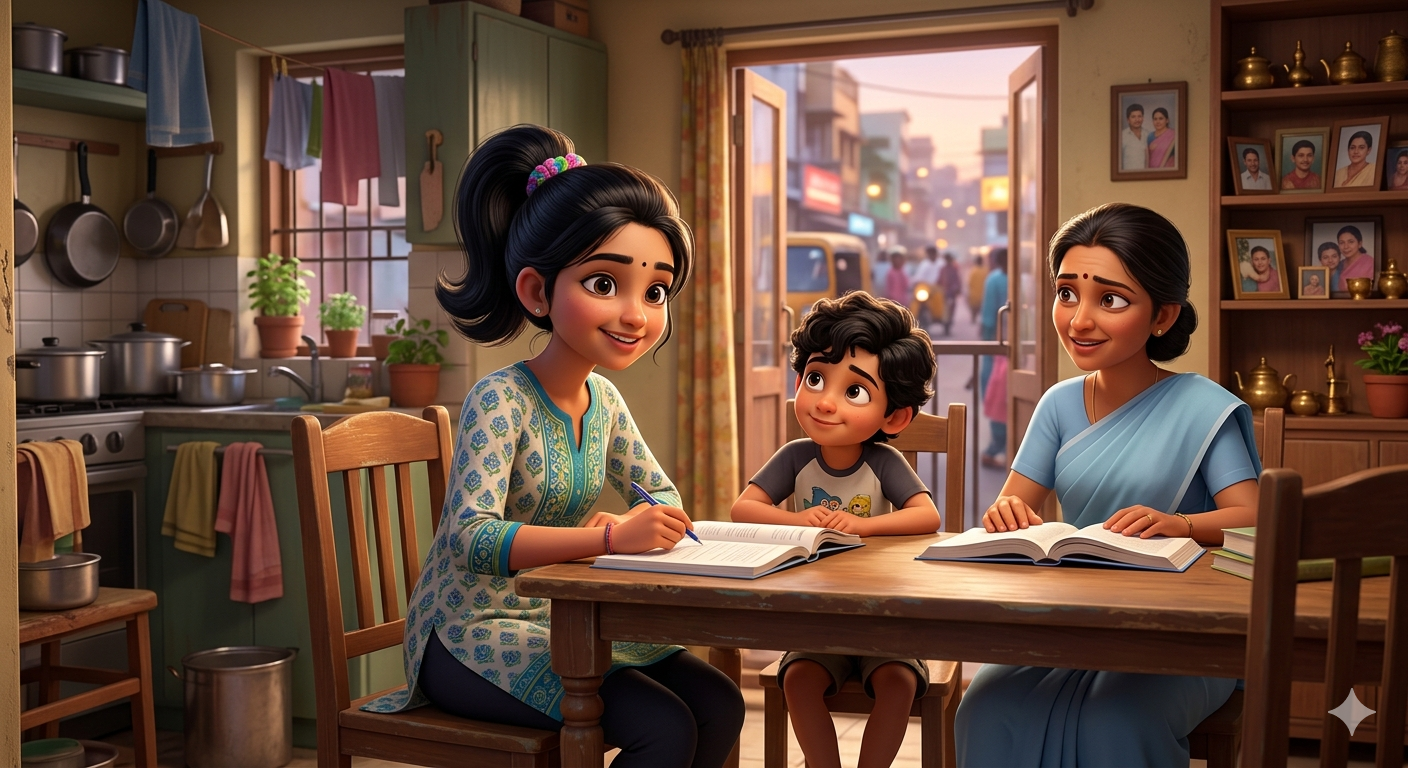
In busy Chennai, 10-year-old Lila shared a cozy apartment with her single mom, a busy nurse, and her little brother Karthik. Money was tight, but Lila shone at school with her kindness and smarts.
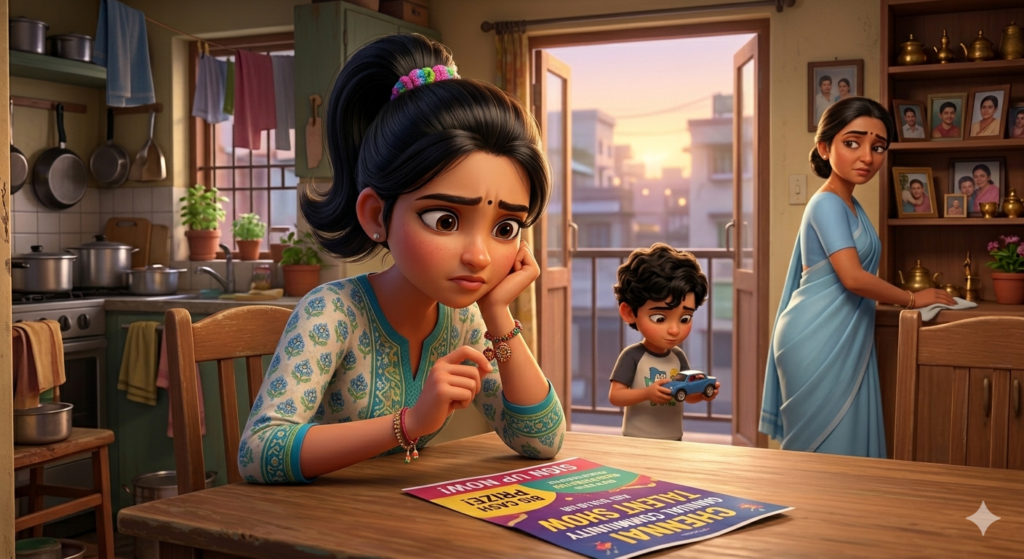
One day, the annual talent show announced a big prize—cash for family needs like Karthik’s medicines and mom’s rest. Lila wanted to sing, but stage fright gripped her. “What if I mess up?”

Her mom, tired from night shifts, encouraged her: “Lila, true life sparkles with love and goodness.” She recited a Tamil verse:
Anbum aṟaṉum uṭaittāyiṉ ilvāḻkkai
Paṇbum payaṉum adu.
அன்பும் அறனும் உடைத்தாயின் இல்வாழ்க்கை
பண்பும் பயனும் அது.
Mom explained, “This Kural means: If you have love and virtue, that’s the richest life—full of character and true gain.” Lila got it—winning wasn’t about prizes, but living with heart and right actions.

Lila practiced with fire. She poured love (anbu) into helping classmates rehearse, making shy ones brave. Her virtue (araṇ) showed when she shared her notes fairly, no copying. On show day, nerves hit, but Lila sang from the soul, eyes on her cheering family. The song about family bonds touched everyone—judges teared up!
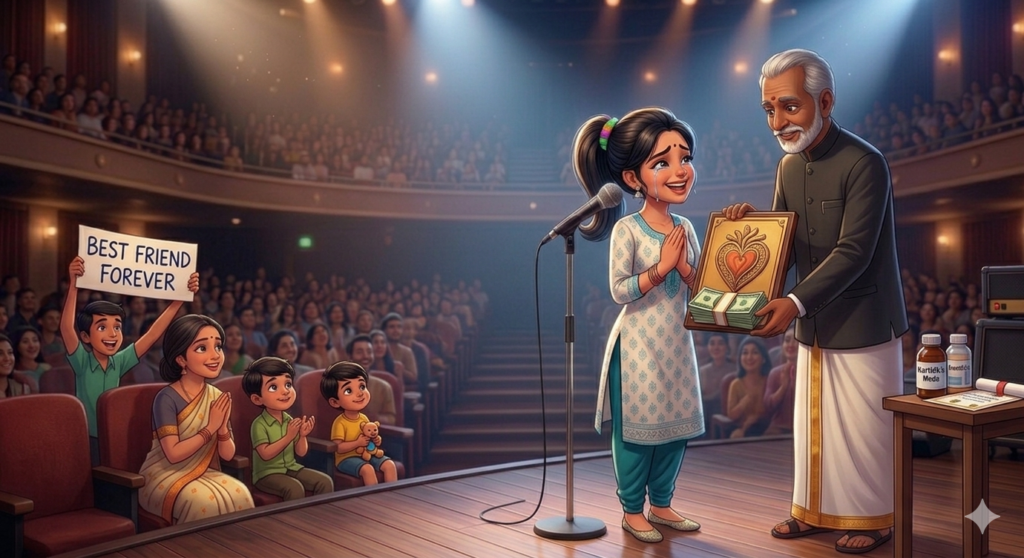
She didn’t win first, but got a special “Kindness Award” with equal cash. Karthik’s medicines arrived, mom took a day off. Classmates voted her “Best Friend Forever.” Lila hugged her family: “See? Love and goodness made us rich!” Mom whispered, “You lived the Kural—your heart’s the real treasure.” Lila danced home, life fuller than any prize.
Moral
Love and virtue possessed—that is the rich life; character and gain are its fruits.
Let’s read the same story in Tamil..
லீலாவின் பொன்னான மனம்
பரபரப்பாக இருந்த சென்னை நகரத்தில், 10 வயது லீலா தனது அம்மாவும் தம்பி கார்த்திக்கும் சேர்ந்து ஒரு சிறிய குடியிருப்பில் வாழ்ந்து வந்தாள். லீலாவின் அம்மா ஒரு செவிலித்தாய். இரவு பகலாக வேலை செய்து குடும்பத்தை பார்த்துக் கொண்டிருந்தார். வீட்டில் பணம் அதிகமாக இல்லாவிட்டாலும், லீலா பள்ளியில் தனது அன்பும் புத்திசாலித்தனமும் காரணமாக அனைவராலும் விரும்பப்பட்டவளாக இருந்தாள்.
ஒரு நாள் பள்ளியில் வருடாந்திர திறமைக் காட்சி நடைபெறும் என்று அறிவிக்கப்பட்டது. அதில் வெற்றி பெறும் மாணவர்களுக்கு பெரிய பணப் பரிசு வழங்கப்படும் என்றும் கூறப்பட்டது. அந்தப் பரிசு கிடைத்தால் தம்பி கார்த்திக்கின் மருந்துகளையும் வாங்கலாம், அம்மாவுக்கும் கொஞ்சம் ஓய்வு கிடைக்கும் என்று லீலா நினைத்தாள்.
லீலாவுக்கு பாடுவது மிகவும் பிடித்தது. ஆனால் மேடையில் நிற்கும் போது அவளுக்கு மிகவும் பயமாக இருந்தது.
“நான் தவறாகப் பாடிவிட்டால் என்ன செய்வேன்?” என்று அவள் கவலையுடன் எண்ணினாள்.
அப்போது இரவு வேலையால் சோர்வாக இருந்தாலும், அவளுடைய அம்மா அவளை ஊக்கப்படுத்தினார். பின்னர் ஒரு திருக்குறளைச் சொல்லிக் காட்டினார்:
அன்பும் அறனும் உடைத்தாயின் இல்வாழ்க்கை
பண்பும் பயனும் அது.
பின்னர் அவர் கூறினார்:
“லீலா, வாழ்க்கையில் அன்பும் அறமும் இருந்தால் அதுவே மிகப் பெரிய செல்வம். அதனால் தான் மனிதன் உண்மையான மகிழ்ச்சியையும் பெருமையையும் பெறுகிறான்.”
அந்த வார்த்தைகள் லீலாவின் மனதில் ஆழமாக பதிந்தன.
அதன் பிறகு லீலா போட்டிக்காக முழு மனதுடன் பயிற்சி செய்ய ஆரம்பித்தாள். தன்னுடன் கலந்து கொண்ட நண்பர்களுக்கும் உதவி செய்தாள். பாடத் தயங்கிய நண்பர்களை ஊக்கப்படுத்தி அவர்களுக்கு துணையாக இருந்தாள். தனது குறிப்புகளையும் அனைவருடனும் நியாயமாகப் பகிர்ந்தாள்.
போட்டி நாள் வந்தது. மேடையில் நிற்கும் போது லீலாவுக்கு மீண்டும் சிறிது பதட்டம் ஏற்பட்டது. ஆனால் குடும்பத்தினர் உற்சாகமாக பார்த்துக் கொண்டிருப்பதை நினைத்தவள் தன்னம்பிக்கையுடன் பாட ஆரம்பித்தாள்.
அவள் பாடிய பாடல் குடும்ப அன்பைப் பற்றியது. அந்தப் பாடல் அங்கே இருந்த அனைவரின் மனதையும் உருகச் செய்தது. நீதிபதிகளும் மிகவும் பாதிக்கப்பட்டனர்.
லீலாவுக்கு முதல் பரிசு கிடைக்கவில்லை. ஆனால் அவளுடைய அன்பும் நல்ல மனமும் கண்டு நீதிபதிகள் “Kindness Award” என்ற சிறப்பு விருதை வழங்கினர். அதனுடன் கிடைத்த பணத்தால் கார்த்திக்கின் மருந்துகள் வாங்கப்பட்டன. அம்மாவுக்கும் ஒரு நாள் ஓய்வு கிடைத்தது.
நண்பர்களும் லீலாவை “எங்களின் சிறந்த நண்பி” என்று பாராட்டினர்.
அம்மாவை அணைத்துக் கொண்ட லீலா மகிழ்ச்சியுடன் சொன்னாள்:
“அம்மா, அன்பும் நல்ல மனமும் இருந்தால் நாமே செல்வந்தர்கள்.”
அம்மா புன்னகையுடன் மெதுவாக கூறினார்:
“நீ அந்தக் குறளை வாழ்வில் காட்டிவிட்டாய், லீலா. உன் மனம்தான் உண்மையான பொக்கிஷம்.”
அன்று லீலாவின் மனம் அளவற்ற மகிழ்ச்சியால் நிரம்பியது.
நீதி
அன்பும் அறமும் கொண்ட வாழ்க்கையே உண்மையான செல்வம்; அதுவே மனிதனுக்கு நல்ல பண்பையும் உண்மையான பயனையும் தரும்.
எழுத்துப்பிரதி
Anbum aṉaṉum uṭaittāyiṉilvāḻkkai
Paṇbum payaṉum adu.
மூலத் தமிழ்
அன்பும் அறனும் உடைத்தாயின் இல்வாழ்க்கை
பண்பும் பயனும் அது.
Breaking it down
- அன்பும் (Anbum) – காதல் (Kātal), love; affection and compassion.
- அறனும் (Aṉaṉum) – நீதி (Nīti), virtue/righteousness; moral goodness.
- உடைத்தாயின் (Uṭaittāyiṉ) – உடையவனாகில் (Uṭaiyavanaḵil), if one possesses; having these qualities.
- இல்வாழ்க்கை (Ilvāḻkkai) – செல்வ வாழ்க்கை (Selva vāḻkkai), rich life; true prosperity.
- பண்பும் (Paṇbum) – இழிவு/நல்ல பண்பு (Iḻivu/nalla paṇpu), character; noble qualities.
- பயனும் (Payaṉum) – பலன் (Palam), gain/benefit; fruitful outcomes.
- அது (Adu) – அது (Aṉṉṉṉṉ), that; it embodies them.
Trivia
“அன்பு (Anbu)” traces to Proto-Dravidian aṉṉṉṉṉṉ (affection), used in Sangam love poems (c. 300 BCE)—still everyday Tamil today, and lives in Malayalam as “anpu” for deep love, bridging languages.
Parallels Confucius (c. 500 BCE, Analects): “The man of virtue is rich in benevolence”—both link love/virtue to inner wealth, predating Thiruvalluvar’s universal ethic.
This bilingual story from ancient Tamil wisdom makes timeless life lessons accessible to readers worldwide — whether you’re discovering these universal truths for the first time, or sharing the beauty of your Tamil heritage with friends from any culture. Reading both English and Tamil versions side by side helps build language confidence, cultural connection, and a lifelong love for meaningful stories — perfect for classrooms, families, and friends around the globe.
Record your kid telling this story and the Kural, we will host it on our youtube page
<Youtube link>