
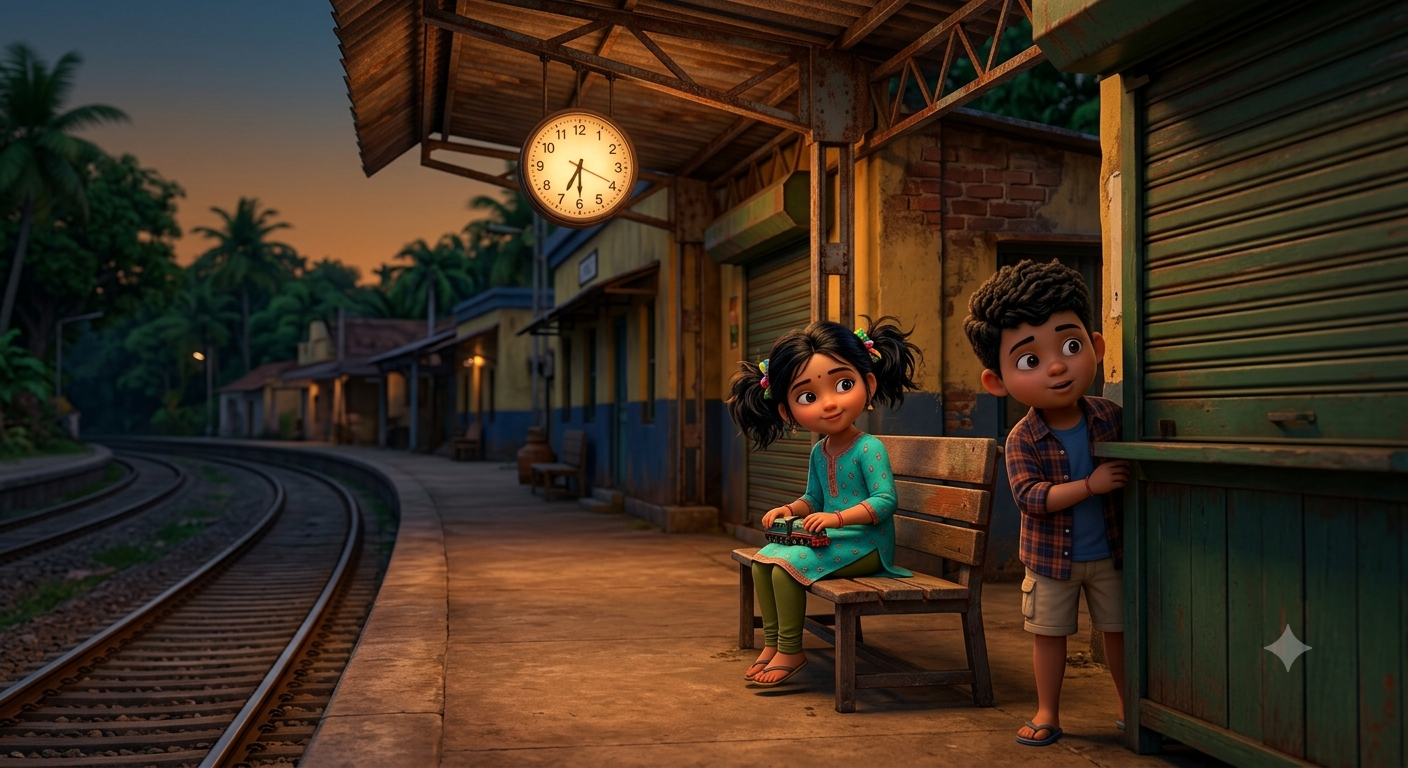
Every evening, the old railway station in a small town became unusually quiet after the last passenger train left. The tea shop closed its shutters, the porters disappeared, and only the station clock continued ticking above the empty platform.
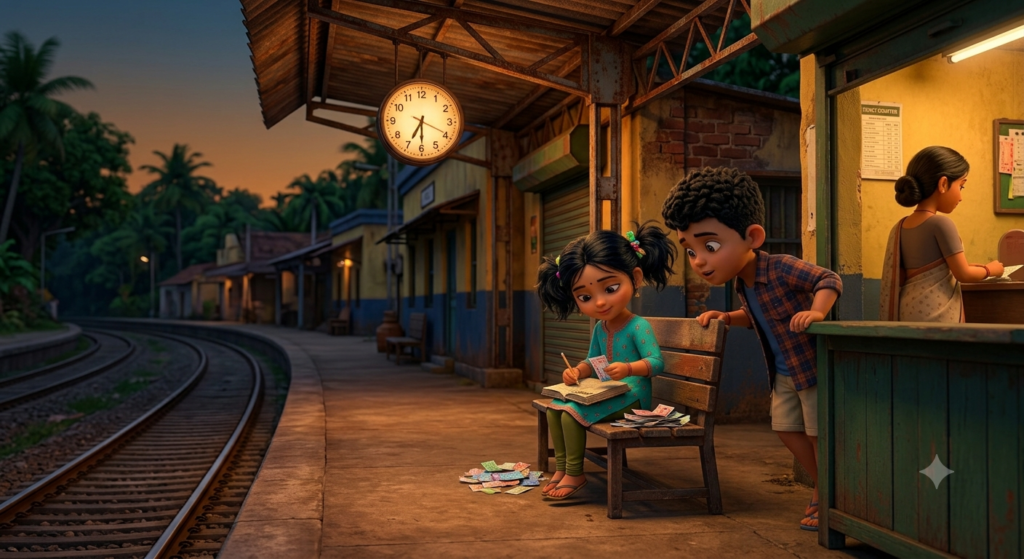
A twelve-year-old girl named Ira often waited there with her mother, who worked at the railway ticket counter. Ira loved collecting discarded paper tickets. She kept them in a small notebook and wrote the date, train number, and destination beside each one.
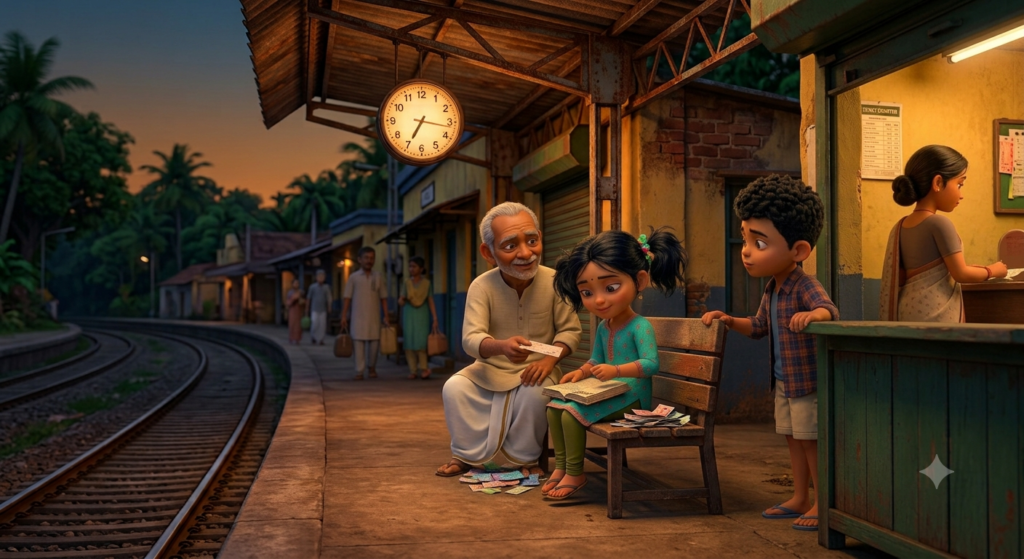
One evening, an elderly man bought a ticket to a nearby town. While waiting for the train, he noticed Ira’s notebook. “You collect tickets?” he asked with a smile.“Only the ones people leave behind,” Ira replied. The man laughed. “Then you are collecting pieces of people’s journeys.” The train arrived, and he disappeared into the crowd.
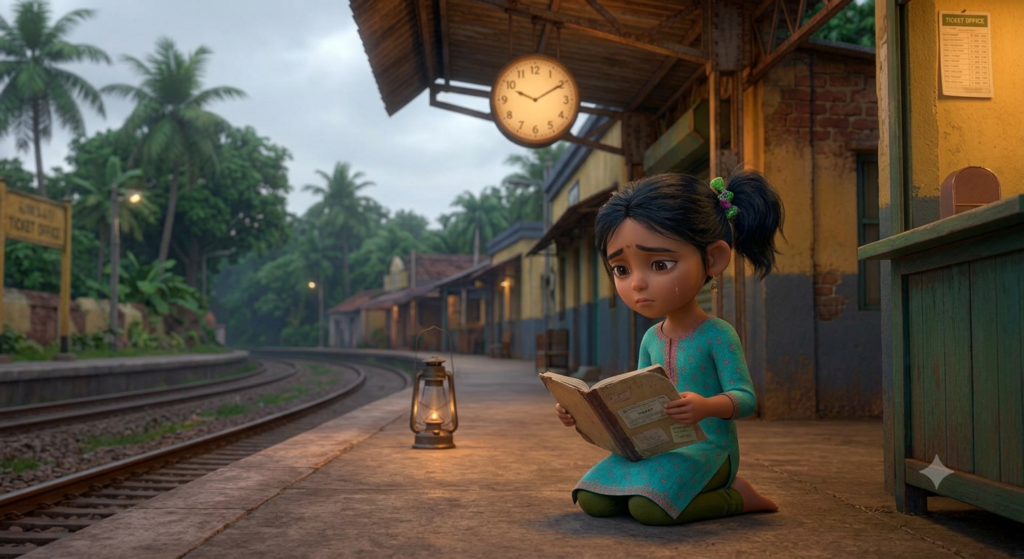
The next evening, Ira looked for him. She wanted to show him a new page in her notebook. But he did not come. Neither did he come the following evening.
A few days later, his family arrived at the station to collect a small suitcase he had left behind. Ira quietly asked about him. She learned that he had passed away unexpectedly the very next day after their meeting. Ira opened her notebook. The ticket she had saved from that evening was still there.
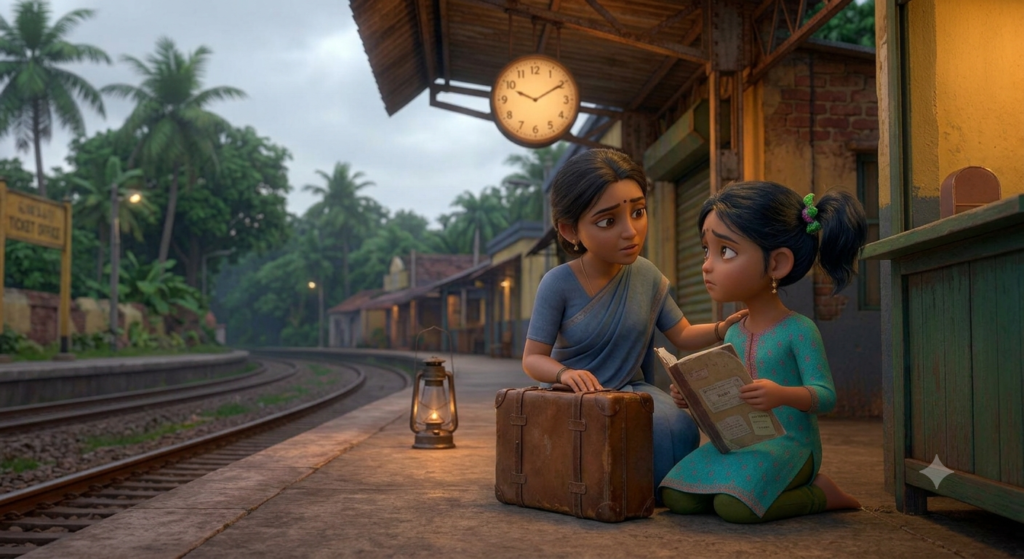
Her mother sat beside her and said, “Yesterday, he was standing right here. Today, we are holding his suitcase.” Ira looked at the empty platform. Her mother then remembered a Thirukkural and said,
நெருநல் உளனொருவன் இன்றில்லை என்னும்
பெருமை உடைத்திவ் வுலகு
Nerunal uḷaṉoruvaṉ iṉṟillai eṉṉum
Perumai yuṭaittiv vulaku
She explained that this world has the strange nature that someone who was here yesterday may not be here today. Nothing in life promises that what exists now will remain tomorrow.
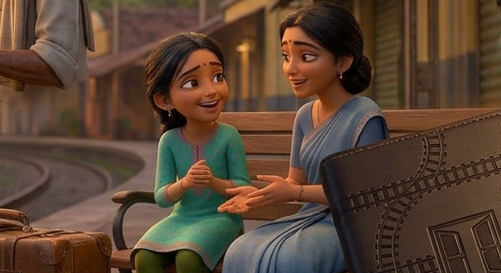
Ira did not become frightened by the thought. Instead, she began noticing the people around her differently. She thanked the tea seller instead of simply taking her cup. She listened when the porter spoke about his family. She stopped postponing small conversations with her mother.
Months later, Ira’s notebook became full. But she no longer saw the tickets as pieces of paper. Each one reminded her that every journey, meeting, and moment has a beginning and an ending.
She wrote one sentence on the first page of her next notebook:
“Do not wait for tomorrow to value someone who is here today.”
Moral
Life is impermanent. People and moments that are present today may disappear tomorrow, so we should value them while we have them.
Let’s read the same story in Tamil…
கடைசி ரயில் பயணச்சீட்டு
ஒரு சிறிய நகரத்தின் பழைய ரயில் நிலையத்தில், கடைசி பயணிகள் ரயில் சென்ற பிறகு மாலை நேரம் மிகவும் அமைதியாகிவிடும். தேநீர் கடைக்காரர் கடையை மூடிவிடுவார். சுமை தூக்கும் தொழிலாளர்கள் வீட்டிற்குச் சென்றுவிடுவார்கள். ஆனால் நிலையத்தின் பெரிய கடிகாரம் மட்டும் தொடர்ந்து டிக்… டிக்… என்று ஓடிக்கொண்டிருக்கும்.
பன்னிரண்டு வயதான இரா, தன் அம்மாவுடன் அடிக்கடி அந்த ரயில் நிலையத்திற்குச் செல்வாள். அவளுடைய அம்மா அங்கே டிக்கெட் வழங்கும் பணியில் இருந்தார். பயணிகள் விட்டுச் செல்லும் பழைய காகித டிக்கெட்டுகளைச் சேகரிப்பது இராவுக்கு மிகவும் பிடிக்கும். ஒவ்வொரு டிக்கெட்டையும் ஒரு சிறிய நோட்டுப் புத்தகத்தில் ஒட்டி, அதன் தேதியையும் ரயில் எண்ணையும் சென்ற இடத்தையும் எழுதுவாள்.
ஒரு மாலை, வயதான ஒருவர் அருகிலுள்ள ஊருக்குச் செல்ல டிக்கெட் வாங்கினார். இராவின் கையில் இருந்த நோட்டுப் புத்தகத்தைப் பார்த்த அவர், “நீ டிக்கெட் சேகரிக்கிறாயா?” என்று சிரித்துக்கொண்டே கேட்டார்.
“மற்றவர்கள் விட்டுச் செல்லும் டிக்கெட்டுகளை மட்டும்,” என்றாள் இரா.
அவர் சிரித்தார். “அப்படியானால், நீ மனிதர்களின் பயணங்களின் சிறு சிறு துண்டுகளைச் சேகரிக்கிறாய்.”
சிறிது நேரத்தில் ரயில் வந்தது. அந்த மனிதரும் கூட்டத்தோடு ரயிலில் ஏறிச் சென்றுவிட்டார்.
அடுத்த நாள் மாலை இரா அவரைத் தேடினாள். தான் சேகரித்திருந்த புதிய டிக்கெட்டைக் காட்ட வேண்டும் என்று நினைத்தாள். ஆனால் அவர் வரவில்லை. அடுத்த நாளும் வரவில்லை.
சில நாட்களுக்குப் பிறகு, அவரது குடும்பத்தினர் அவர் ரயில் நிலையத்தில் விட்டுச் சென்றிருந்த ஒரு சிறிய பெட்டியை வாங்குவதற்காக அங்கு வந்தனர். இரா மெதுவாக அவரைப் பற்றி கேட்டபோதுதான், அவர் மறுநாளே எதிர்பாராத விதமாக இறந்துவிட்டார் என்பதை அறிந்தாள்.
இரா தன் நோட்டுப் புத்தகத்தைத் திறந்தாள். அந்த மாலை அவர் வாங்கிய டிக்கெட் இன்னும் அதற்குள் இருந்தது.
அவளுடைய அம்மா அவளருகில் உட்கார்ந்து, “நேற்று இங்கே நம்முடன் நின்றுகொண்டிருந்த ஒருவர். இன்று அவருடைய பெட்டியை மட்டும் நாம் கையில் வைத்திருக்கிறோம்,” என்றார்.
இரா வெறுமையான நடைமேடையைப் பார்த்துக்கொண்டிருந்தாள்.
அப்போது அவளுடைய அம்மா ஒரு திருக்குறளை நினைவுபடுத்தி,
நெருநல் உளனொருவன் இன்றில்லை என்னும்
பெருமை உடைத்திவ் வுலகு
என்று கூறினார். நேற்று நம்முடன் இருந்த ஒருவர் இன்று இல்லாமல் போகலாம் என்பதே இந்த உலகத்தின் நிலையாமை. இப்போது நம்மிடம் இருக்கும் எதுவும் என்றும் இப்படியே இருக்கும் என்று வாழ்க்கை உறுதி அளிப்பதில்லை என்று அவர் இராவுக்கு விளக்கினார்.
அந்த வார்த்தைகள் இராவை பயப்பட வைக்கவில்லை. மாறாக, அவள் தன்னைச் சுற்றியிருந்த மனிதர்களை வேறு விதமாகப் பார்க்கத் தொடங்கினாள். தினமும் தேநீர் கொடுக்கும் கடைக்காரருக்கு நன்றி சொல்லத் தொடங்கினாள். சுமை தூக்கும் தொழிலாளி பேசும்போது அவசரப்படாமல் கேட்டாள். தன் அம்மாவுடன் பேசுவதையும் “பிறகு பேசலாம்” என்று தள்ளிப்போடாமல் இருந்தாள்.
சில மாதங்களில் இராவின் நோட்டுப் புத்தகம் முழுவதும் டிக்கெட்டுகளால் நிரம்பியது. ஆனால் இப்போது அவளுக்கு அவை வெறும் காகிதத் துண்டுகளாகத் தெரியவில்லை. ஒவ்வொரு டிக்கெட்டும் ஒரு பயணம், ஒரு சந்திப்பு, ஒரு தருணம்—இவை அனைத்திற்கும் தொடக்கமும் முடிவும் உண்டு என்பதை நினைவூட்டியது.
அடுத்த நோட்டுப் புத்தகத்தின் முதல் பக்கத்தில் இரா ஒரு வரியை எழுதினாள்:
“இன்று நம்முடன் இருப்பவரை மதிப்பதை நாளைக்கு தள்ளிவைக்கக் கூடாது.”
நீதி
வாழ்க்கை நிலையற்றது. இன்று நம்முடன் இருப்பவர்களும் தருணங்களும் நாளை இல்லாமல் போகலாம். எனவே, நம்மிடம் இருக்கும் நேரத்தையும் மனிதர்களையும் அன்புடனும் நன்றியுடனும் மதிக்க வேண்டும்.
எழுத்துப்பிரதி
Nerunal uḷaṉoruvaṉ iṉṟillai eṉṉum
Perumai yuṭaittiv vulaku
மூலத் தமிழ்
நெருநல் உளனொருவன் இன்றில்லை என்னும்
பெருமை உடைத்திவ் வுலகு.
Breaking it down
- நெருநல் (Nerunal) – Yesterday
- உளன் ஒருவன் (Uḷan oruvan) – A person who existed / was present
- இன்று இல்லை (Inṟu illai) – Is not here today
- என்னும் (Eṉṉum) – Saying / showing that
- பெருமை (Perumai) – Greatness / remarkable nature
- உடைத்து (Uṭaittu) – Possesses
- இவ் உலகு (Iv ulaku) – This world
Trivia
Kural #336 belongs to அதிகாரம் #34 – நிலையாமை (Impermanence). Thiruvalluvar reminds us that the world is constantly changing. The Kural uses the simplest possible contrast—yesterday and today—to show how quickly life can change.
The lesson is not simply to fear loss. It is to understand the value of the present moment and the people who are part of it.
This bilingual story from ancient Tamil wisdom makes timeless life lessons accessible to readers worldwide—whether you’re discovering these universal truths for the first time, or sharing the beauty of your Tamil heritage with friends from any culture. Reading both English and Tamil versions side by side helps build language confidence, cultural connection, and a lifelong love for meaningful stories—perfect for classrooms, families, and friends around the globe.
Record your kid telling this story and the Kural, and we will host it on our YouTube page.
<YouTube link>