

At a small community library in Madurai, a group of children were preparing for their annual reading festival. The library had only a few weeks to get everything ready, and the children had divided the work among themselves. Some were arranging books, some were making decorations, and others were preparing a small storytelling corner.
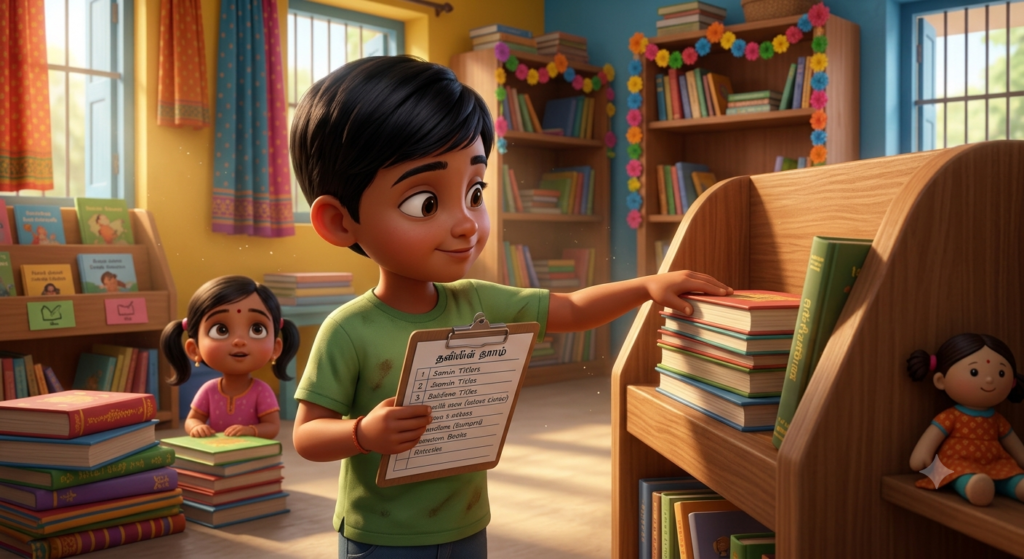
A quiet boy named Arav was responsible for keeping track of the books that had to be displayed. Every afternoon, he arrived early, checked the list, arranged the books, and helped the younger children find the right ones. He never complained, and he often stayed a little longer to make sure everything was ready for the next day.
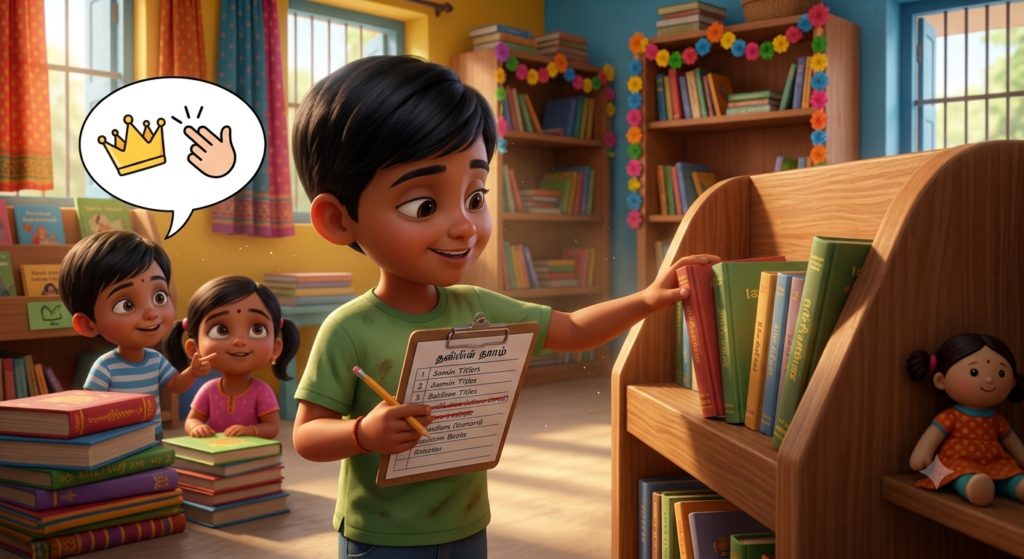
One afternoon, Arav noticed that several books had been placed in the wrong section. Instead of leaving them for someone else, he rearranged them and updated the list. A few children saw him moving books around and jokingly said, “Why are you always changing things? Maybe you just want everyone to think you’re in charge!”
Arav smiled and continued working.

The next morning, the library coordinator noticed that the book list was different from the one she had prepared. She wondered if Arav had changed it without permission. Before asking him, she listened to what the other children had said and began to doubt his intentions.
When Arav arrived, she asked, “Why did you change the arrangement?”
Arav calmly showed her the books that had been misplaced and explained what he had done. He also showed her the updated list so that the younger children could find the books more easily.

The coordinator realized that she had judged him without understanding the reason behind his actions. Arav was not trying to take control. He was simply taking his responsibility seriously.
She thanked him and asked him to continue managing the book display. The other children also understood that his extra effort had never been about getting attention.

As the festival began, everything ran smoothly. Visitors found the books easily, the storytelling corner was ready on time, and even the younger children knew where to go.
Thiruvalluvar reminds us:
வினைக்கண் வினையுடையான் கேண்மைவே றாக
நினைப்பானை நீங்கும் திரு.
Vinaikkan Vinaiyutaiyaan Kenmaive Raaka
Ninaippaanai Neengum Thiru
A person who sincerely works and takes responsibility should not be wrongly suspected. When we misunderstand the intentions of someone who is doing their duty well, we may lose a valuable person and the benefits their work brings.
Moral
Do not mistake sincere effort for selfishness.
When someone consistently works hard and takes responsibility, judge them by their actions and intentions rather than by rumours or assumptions. Trusting the right people helps everyone grow together.
Let’s read the same story in Tamil…
வேலையின் பின்னால் இருக்கும் மனிதர்
மதுரையில் இருந்த ஒரு சிறிய சமூக நூலகத்தில், குழந்தைகள் தங்களுடைய வருடாந்திர வாசிப்பு விழாவிற்குத் தயாராகிக் கொண்டிருந்தனர். விழாவிற்கு இன்னும் சில வாரங்களே இருந்ததால், ஒவ்வொருவருக்கும் ஒரு வேலை கொடுக்கப்பட்டது. சிலர் புத்தகங்களை அடுக்கினர். சிலர் அலங்காரங்கள் செய்தனர். இன்னும் சிலர் கதை சொல்லும் பகுதிக்கான ஏற்பாடுகளைச் செய்தனர்.
அரவ் என்ற அமைதியான சிறுவனுக்கு, விழாவில் காட்சிப்படுத்த வேண்டிய புத்தகங்களைக் கவனிக்கும் பொறுப்பு கொடுக்கப்பட்டது. தினமும் அவன் மற்றவர்களைவிட முன்னதாகவே நூலகத்திற்கு வந்துவிடுவான். புத்தகப் பட்டியலைச் சரிபார்த்து, புத்தகங்களை ஒழுங்குபடுத்தி, சிறிய குழந்தைகளுக்கு தேவையான புத்தகங்களைக் கண்டுபிடித்துக் கொடுப்பான். வேலை முடிந்த பிறகும், அடுத்த நாளுக்கான ஏற்பாடுகள் சரியாக இருக்கிறதா என்று பார்த்துவிட்டுத்தான் வீட்டிற்குச் செல்வான்.
ஒருநாள் சில புத்தகங்கள் தவறான இடத்தில் வைக்கப்பட்டிருப்பதை அரவ் கவனித்தான். அவற்றை அப்படியே விட்டுவிடாமல், சரியான இடத்தில் வைத்து, புத்தகப் பட்டியலையும் மாற்றி எழுதினான். இதைப் பார்த்த சில குழந்தைகள், “நீ எப்போதும் எல்லாவற்றையும் மாற்றிக்கொண்டே இருக்கிறாய். எல்லாரும் உன்னை பொறுப்பாளி என்று நினைக்க வேண்டும் என்பதற்காகத்தானே?” என்று கேலி செய்தனர்.
அரவ் அதைக் கண்டுகொள்ளாமல் தனது வேலையைத் தொடர்ந்து செய்தான்.
அடுத்த நாள் நூலக ஒருங்கிணைப்பாளர், தான் தயாரித்திருந்த பட்டியலுக்கும் புதிய பட்டியலுக்கும் வித்தியாசம் இருப்பதைக் கவனித்தார். அரவ் அனுமதி இல்லாமல் மாற்றியிருக்கிறானோ என்று சந்தேகப்பட்டார். மற்ற குழந்தைகள் கூறியதை நினைத்து, அவன் ஏன் அப்படிச் செய்தான் என்று தவறாக நினைத்தார்.
அரவ் வந்ததும், “நீ ஏன் புத்தகங்களின் அமைப்பை மாற்றினாய்?” என்று கேட்டார்.
அரவ் அமைதியாக தவறான இடத்தில் இருந்த புத்தகங்களைக் காட்டினான். சிறிய குழந்தைகள் எளிதாக புத்தகங்களைக் கண்டுபிடிக்க வேண்டும் என்பதற்காகத்தான் அவற்றை மாற்றியதாகவும், அதற்கேற்ப பட்டியலைப் புதுப்பித்ததாகவும் விளக்கினான்.
அப்போது ஒருங்கிணைப்பாளருக்கு தனது தவறு புரிந்தது. அரவ் யாருடைய பொறுப்பையும் எடுத்துக்கொள்ள முயற்சி செய்யவில்லை. தனக்குக் கொடுக்கப்பட்ட வேலையைச் சிறப்பாகச் செய்ய வேண்டும் என்ற எண்ணத்தில்தான் அவன் அப்படி செய்திருந்தான்.
அவர் அரவிடம் மன்னிப்பு கேட்டதுடன், புத்தகங்களைத் தொடர்ந்து கவனிக்கும் பொறுப்பையும் அவனிடமே விட்டார். மற்ற குழந்தைகளும் அரவின் கூடுதல் முயற்சி பாராட்டைப் பெறுவதற்காக அல்ல என்பதைப் புரிந்துகொண்டனர்.
விழா தொடங்கியபோது எல்லாமே அழகாக நடந்தது. பார்வையாளர்கள் புத்தகங்களை எளிதாகக் கண்டுபிடித்தனர். கதை சொல்லும் பகுதி சரியான நேரத்தில் தயாராக இருந்தது. சிறிய குழந்தைகளுக்கும் தேவையான புத்தகங்களைத் தேடுவதில் எந்தச் சிரமமும் இல்லை.
திருவள்ளுவர் கூறுகிறார்:
வினைக்கண் வினையுடையான் கேண்மைவே றாக
நினைப்பானை நீங்கும் திரு
ஒருவர் தன்னிடம் ஒப்படைக்கப்பட்ட வேலையை உண்மையாகவும் முழு முயற்சியுடனும் செய்கிறார் என்றால், அவருடைய செயல்களைத் தவறாகப் புரிந்துகொள்ளக் கூடாது. அவருடைய நல்ல நோக்கத்தை சந்தேகித்தால், அவரால் கிடைக்கும் நன்மையையே நாம் இழக்க நேரிடலாம்.
நீதி
உண்மையாக உழைப்பவர்களைத் தவறாக எண்ணாதே.
ஒருவர் பொறுப்புடன் செயல்படும்போது, அவரைப் பற்றிய வதந்திகளையோ ஊகங்களையோ வைத்து முடிவு செய்யாமல், அவருடைய செயல்களின் பின்னால் இருக்கும் உண்மையான நோக்கத்தைப் புரிந்துகொள்ள வேண்டும். சரியான மனிதர்களை நம்புவது அனைவரின் வளர்ச்சிக்கும் உதவும்.
எழுத்துப்பிரதி
Vinaikkan Vinaiyutaiyaan Kenmaive Raaka
Ninaippaanai Neengum Thiru
மூலத் தமிழ்
வினைக்கண் வினையுடையான் கேண்மைவே றாக
நினைப்பானை நீங்கும் திரு
Breaking it down
- வினைக்கண் — In one’s work / duty
- வினையுடையான் — One who is actively engaged in the work
- கேண்மை — Friendship / close association
- வேறாக நினைப்பானை — One who misunderstands or suspects it
- நீங்கும் — Will leave
- திரு — Prosperity / good fortune
Simple meaning: When a person wrongly suspects someone who sincerely works and performs their duty well, prosperity and success will eventually leave them.
Trivia
Kural #519 belongs to அதிகாரம் #52 — தெரிந்து வினையாடல் (Selection and Employment), which focuses on understanding a person’s ability and character before entrusting them with responsibility, and then allowing capable people to perform their duties.
This bilingual story from ancient Tamil wisdom makes timeless life lessons accessible to readers worldwide—whether you’re discovering these universal truths for the first time, or sharing the beauty of your Tamil heritage with friends from any culture. Reading both English and Tamil versions side by side helps build language confidence, cultural connection, and a lifelong love for meaningful stories—perfect for classrooms, families, and friends around the globe.
Record your kid telling this story and the Kural, and we will host it on our YouTube page.
<Youtube Link.