

At a higher secondary school in Tiruchirappalli, students had started a weekly podcast where they interviewed teachers, athletes, artists, and local heroes. Every episode was uploaded to the school’s YouTube channel, and hundreds of students watched it every week. When the previous student host graduated, everyone wondered who should take over.
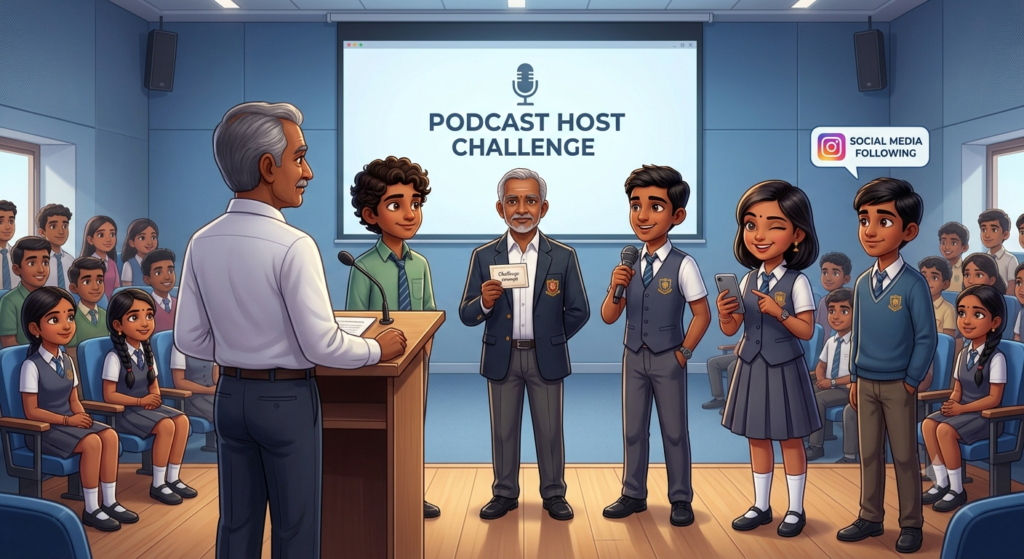
Many students wanted the role. Some spoke confidently, some were funny, and others already had large social media followings. Instead of choosing the most popular student, the principal gave every applicant the same challenge.

Each student received an imaginary news story about a classmate making a mistake. They had to decide whether to publish the story immediately or investigate further before speaking about it. Some students wanted to upload it first because it would attract more viewers. Others thought it would make the podcast exciting. Only fifteen-year-old Kavin paused before answering.
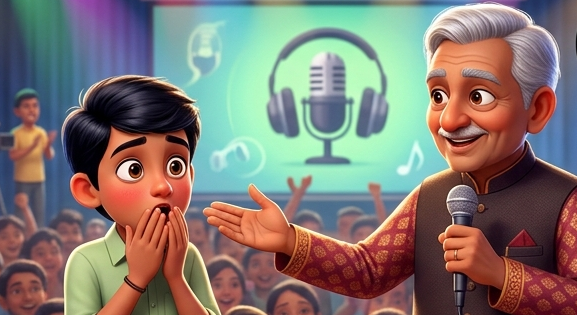
He said, “If we publish something without checking the facts, one person’s reputation could be damaged forever. Even if the story becomes popular today, it may hurt someone unfairly. I’d rather spend one more day finding the truth than spend years regretting a wrong decision.”

The teachers smiled.
During the next assembly, the principal announced Kavin as the new podcast host. Many students were surprised because he wasn’t the loudest speaker or the most famous student.
The principal then recited:
நன்மையும் தீமையும் நாடி நலம்புரிந்த
தன்மையான் ஆளப் படும்.
Nanmaiyum theemaiyum nādi nalampurindha
thanmaiyān āḷap padum.
She explained, “Important responsibilities should not be given to the fastest speaker or the most popular person. They belong to those who think carefully about the good and bad consequences of every decision and choose what is right.” From that day, the school podcast became known for truthful, thoughtful stories instead of sensational ones. Kavin realized that real leadership begins long before speaking—it begins by thinking.
Moral
Responsibilities should be entrusted to people who carefully consider the consequences of their actions and always choose what benefits others.
Let’s read the same story in Tamil…
ஒரு மைக்கின் மதிப்பு
திருச்சியில் உள்ள ஒரு மேல்நிலைப் பள்ளியில், மாணவர்கள் இணைந்து நடத்தும் வாராந்திர காணொலி நிகழ்ச்சி மிகவும் பிரபலமாக இருந்தது. ஆசிரியர்கள், விளையாட்டு வீரர்கள், சமூகத்தில் சாதித்தவர்கள் என பலரை அழைத்து நேர்காணல் நடத்துவார்கள். அந்த நிகழ்ச்சியை பள்ளியின் யூடியூப் சேனலில் ஆயிரக்கணக்கானோர் பார்த்து ரசித்தனர். நிகழ்ச்சியை நடத்தி வந்த மாணவன் பள்ளியை முடித்ததால், புதிய தொகுப்பாளரை தேர்வு செய்ய வேண்டிய நேரம் வந்தது.
பல மாணவர்கள் அந்த வாய்ப்பை எதிர்பார்த்தனர். சிலர் நன்றாகப் பேசுவார்கள். சிலர் சமூக வலைதளங்களில் மிகவும் பிரபலமானவர்கள். ஆனால் முதல்வர் வேறு விதமாக யோசித்தார். எல்லோருக்கும் ஒரே ஒரு சூழ்நிலையை கொடுத்து, “உங்கள் நண்பரைப் பற்றிய ஒரு செய்தி கிடைத்துள்ளது. அதை உடனே வெளியிடுவீர்களா? அல்லது முதலில் உண்மையை உறுதி செய்வீர்களா?” என்று கேட்டார்.
சில மாணவர்கள், “முதலில் வெளியிட்டால் அதிக பார்வையாளர்கள் கிடைக்கும்” என்றனர். சிலர், “பிறகு திருத்திக்கொள்ளலாம்” என்றனர். ஆனால் பதினைந்து வயது கவின் மட்டும் சிறிது நேரம் அமைதியாக யோசித்தான். “ஒரு தவறான செய்தி ஒருவரின் வாழ்க்கையையே பாதிக்கலாம். உண்மையை அறிய ஒரு நாள் தாமதமானாலும் பரவாயில்லை. ஆனால் தவறாக ஒருவரை குற்றம் சொன்னால் அதை சரிசெய்வது மிகவும் கடினம்,” என்றான்.
மறுநாள் காலை பள்ளி கூட்டத்தில் முதல்வர் புதிய தொகுப்பாளராக கவினின் பெயரை அறிவித்தார். பலருக்கும் ஆச்சரியமாக இருந்தது. அதிகமாகப் பேசுபவனோ, மிகவும் பிரபலமானவனோ அவன் இல்லை.
அப்போது முதல்வர் இந்தக் குறளை வாசித்தார்:
நன்மையும் தீமையும் நாடி நலம்புரிந்த
தன்மையான் ஆளப் படும்.
பின்னர் அவர் கூறினார்: “பொறுப்பு என்பது திறமையால் மட்டும் கிடைப்பதில்லை. ஒரு முடிவால் யாருக்கு நன்மை, யாருக்கு தீமை என்று சிந்தித்து, அனைவருக்கும் நன்மை தரும் வழியைத் தேர்ந்தெடுப்பவரே பெரிய பொறுப்புக்கு தகுதியானவர்.”
அன்று கவினுக்கு ஒரு மைக் மட்டுமல்ல, அனைவரின் நம்பிக்கையும் கிடைத்தது. உண்மையான தலைமை என்பது பேசுவதில் அல்ல; பேசுவதற்கு முன் சிந்திப்பதில் தொடங்குகிறது என்பதை அவன் உணர்ந்தான்.
நீதி
ஒரு செயலைச் செய்வதற்கு முன் அதன் நன்மை, தீமை இரண்டையும் ஆராய்ந்து, அனைவருக்கும் நன்மை தரும் முடிவை எடுப்பவரே பொறுப்புக்கு தகுதியானவர்.
எழுத்துப்பிரதி
Nanmaiyum theemaiyum nādi nalampurindha
thanmaiyān āḷap padum
மூலத் தமிழ்
நன்மையும் தீமையும் நாடி நலம்புரிந்த
தன்மையான் ஆளப் படும்
Breaking it down
- நன்மையும் (Nanmaiyum) – நல்ல விளைவுகளும் (Good consequences), beneficial outcomes.
- தீமையும் (Theemaiyum) – கெடுதல்களும் (Bad consequences), harmful outcomes.
- நாடி (Nādi) – ஆராய்ந்து (Examining), considering carefully.
- நலம் (Nalam) – நன்மை (Welfare), what is beneficial.
- புரிந்த (Purindha) – தெளிவாக அறிந்த (Understanding), realizing clearly.
- தன்மையான் (Thanmaiyān) – அந்த குணம் உடையவன் (A person with such character).
- ஆளப் படும் (Āḷap Padum) – பொறுப்பு வழங்கப்படுவான் (Will be entrusted with responsibility).
Trivia
இந்தக் குறள் “தெரிந்து தெளிதல்” என்ற அதிகாரத்தில் வருகிறது. திருவள்ளுவர், பொறுப்பை ஏற்கும் ஒருவரின் திறமையை மட்டும் பார்க்க வேண்டாம்; அவர் முடிவெடுக்கும் முன் அதன் விளைவுகளை ஆராயும் குணம் உள்ளவரா என்பதையும் பார்க்க வேண்டும் என்று வலியுறுத்துகிறார்.
இன்று பத்திரிகைத்துறை, மருத்துவம், நீதித்துறை, விமானப் போக்குவரத்து போன்ற துறைகளில் “Think before you act” என்ற அடிப்படை நெறிமுறை மிகவும் முக்கியமானதாக கருதப்படுகிறது. இரண்டு ஆயிரம் ஆண்டுகளுக்கு முன்பே திருவள்ளுவர் அதையே இந்தக் குறளில் எடுத்துரைக்கிறார்.
This bilingual story from ancient Tamil wisdom makes timeless life lessons accessible to readers worldwide — whether you’re discovering these universal truths for the first time, or sharing the beauty of your Tamil heritage with friends from any culture. Reading both English and Tamil versions side by side helps build language confidence, cultural connection, and a lifelong love for meaningful stories — perfect for classrooms, families, and friends around the globe.
Record your kid telling this story and the Kural, we will host it on our YouTube page.
<Youtube link>