

Sixteen-year-old Harish from Mysuru loved building mobile apps. During his summer vacation, he and his friends created an app that helped people exchange old books for free. After weeks of hard work, they proudly launched it online. Within a few days, hundreds of students had signed up, and everyone celebrated their success.
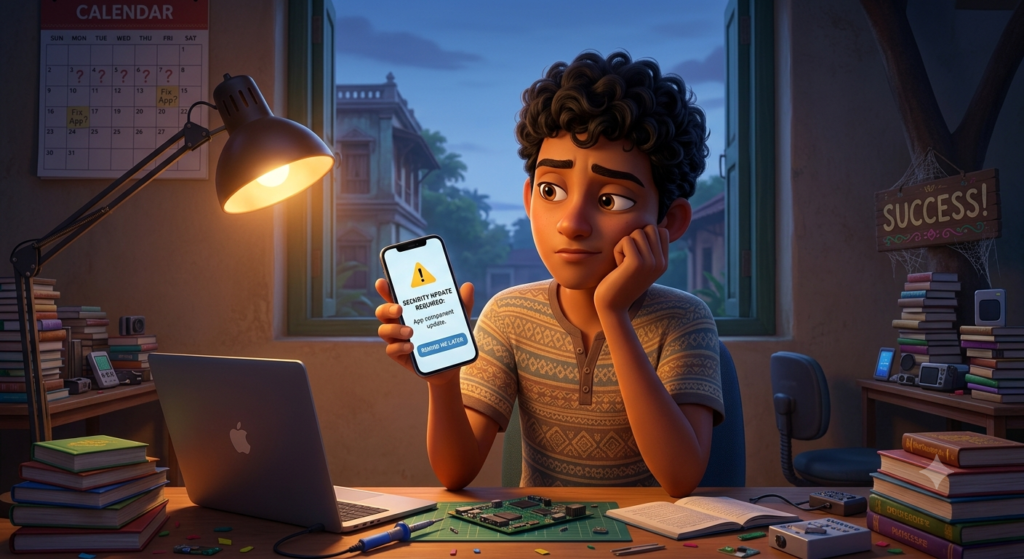
One evening, Harish noticed a small security warning from the software they were using. It mentioned that one part of the app needed an update to prevent future problems. Since the app was working perfectly, Harish thought, “It’s only a tiny issue. I’ll fix it later.” Days turned into weeks, and he kept postponing it.
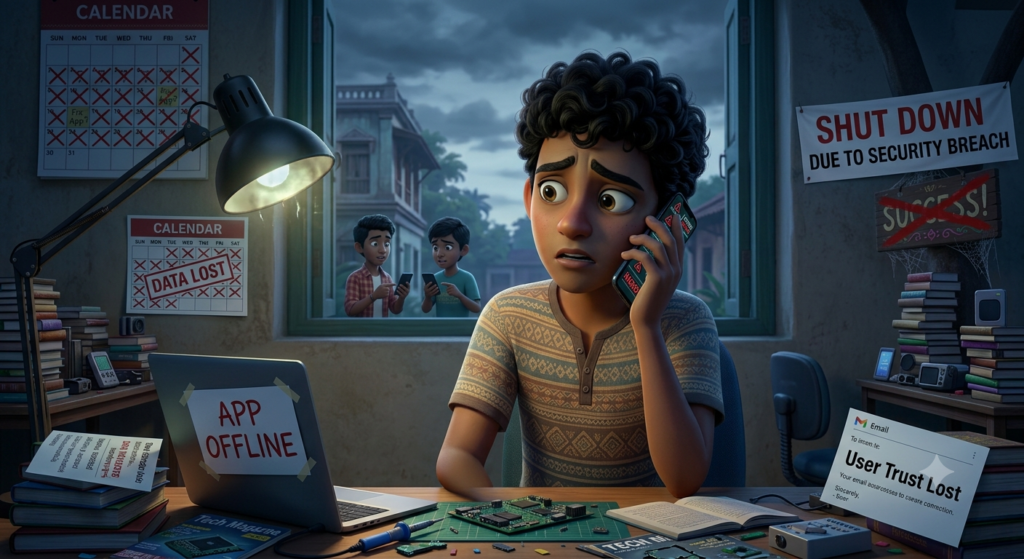
A month later, someone exploited that very weakness. User accounts stopped working, personal information became inaccessible, and the team had to temporarily shut down the app. Rebuilding the trust of hundreds of users took much longer than fixing the small issue would have.
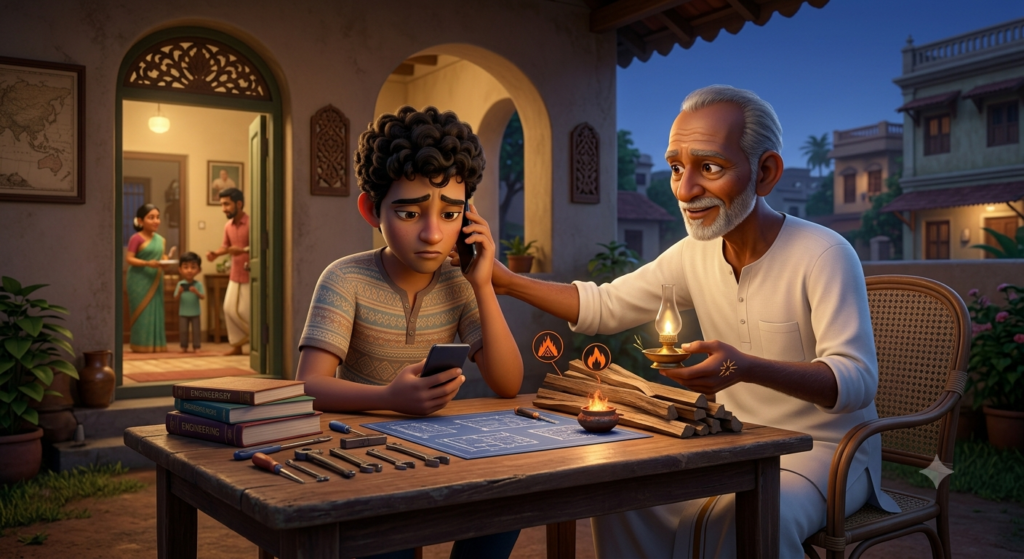
Feeling disappointed, Harish visited his grandfather, who had spent years as an engineer. After listening patiently, his grandfather smiled gently and recited:
வினைபகை என்றிரண்டின் எச்சம் நினையுங்கால்
தீயெச்சம் போலத் தெறும்.
Vinaipagai endrirandin echcham ninaiyungāl
theeyechcham pōlath therum.
He explained, “Whether it is an unfinished task or an unresolved problem, never leave even a small part behind. A tiny spark left after a fire can grow into a forest fire. In the same way, the smallest neglected issue can become the biggest trouble.”
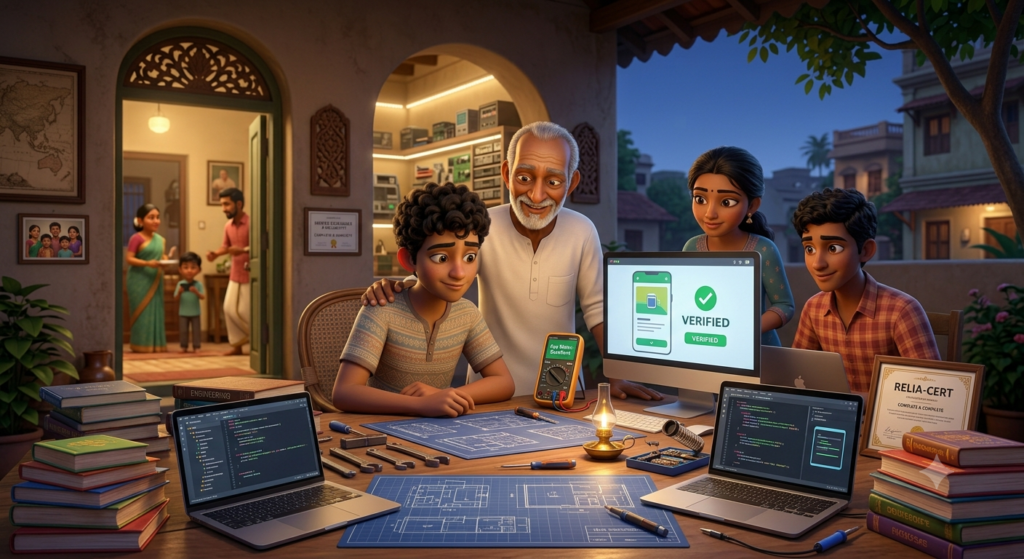
Harish understood immediately. From then on, his team never ignored small problems. They fixed every issue as soon as they found it, however minor it seemed. Over time, their app became known not just for its features, but for its reliability.
Harish learned that success isn’t only about starting something well—it is also about finishing every part of it completely.
Moral
Never leave unfinished work or unresolved problems behind. Even the smallest remainder can grow into a much bigger danger.
Let’s read the same story in Tamil…
சிறிய பிழையின் பெரிய பாடம்
மைசூரில் வாழ்ந்த பதினாறு வயது ஹரிஷுக்கு மொபைல் செயலிகள் உருவாக்குவது மிகவும் பிடிக்கும். கோடை விடுமுறையில் தனது நண்பர்களுடன் சேர்ந்து பழைய புத்தகங்களை இலவசமாக பரிமாறிக்கொள்ள உதவும் ஒரு செயலியை உருவாக்கினான். பல வாரங்கள் உழைத்த பிறகு அதை வெளியிட்டனர். சில நாட்களிலேயே நூற்றுக்கணக்கான மாணவர்கள் பயன்படுத்த ஆரம்பித்தனர். அனைவரும் மகிழ்ச்சியில் இருந்தனர்.
ஒரு மாலை, செயலியில் பயன்படுத்தியிருந்த மென்பொருளில் ஒரு சிறிய பாதுகாப்பு எச்சரிக்கை வந்தது. எதிர்காலத்தில் பிரச்சினை வராமல் இருக்க ஒரு பகுதியை புதுப்பிக்க வேண்டும் என்று அதில் குறிப்பிடப்பட்டிருந்தது. “இப்போது எல்லாம் நன்றாகத்தானே இருக்கிறது… பிறகு பார்த்துக்கொள்ளலாம்,” என்று ஹரிஷ் நினைத்தான். ஒரு நாள், இரண்டு நாள் என்று தள்ளிக்கொண்டே போனான்.
சில வாரங்களுக்குப் பிறகு, அதே சிறிய குறையைப் பயன்படுத்தி ஒருவர் செயலிக்குள் நுழைந்தார். பலரின் கணக்குகள் வேலை செய்யவில்லை. சில தகவல்கள் பாதுகாப்பாக இல்லாமல் போயின. செயலியை தற்காலிகமாக மூட வேண்டிய நிலை ஏற்பட்டது. அந்த ஒரு சிறிய பிழையை உடனே சரி செய்திருந்தால் தவிர்க்க முடிந்த பிரச்சினை, இப்போது பெரிய சிக்கலாக மாறியிருந்தது.
மனவேதனையுடன் இருந்த ஹரிஷிடம் அவரது தாத்தா அமைதியாக இந்தக் குறளைச் சொன்னார்:
வினைபகை என்றிரண்டின் எச்சம் நினையுங்கால்
தீயெச்சம் போலத் தெறும்.
பின்னர் அவர் விளக்கினார்: “முடிக்காமல் விட்ட வேலைவோ, தீர்க்காமல் விட்ட பிரச்சினையோ—எதுவாக இருந்தாலும் அதன் எச்சத்தை விட்டுவிடக் கூடாது. அணைந்துவிட்டது என்று நினைத்த நெருப்பின் ஒரு சிறிய பொறியே பெரிய காட்டுத்தீயாக மாறும். அதுபோல சிறிய அலட்சியமும் பெரிய இழப்பை உருவாக்கும்.”
அந்த நாள் முதல் ஹரிஷும் அவனது நண்பர்களும் எந்தச் சிறிய குறையையும் புறக்கணிக்கவில்லை. ஒவ்வொரு பிரச்சினையையும் உடனுக்குடன் சரிசெய்தனர். சில மாதங்களில், அவர்களின் செயலி சிறந்த வசதிகளுக்காக மட்டுமல்ல, நம்பகத்தன்மைக்காகவும் அனைவராலும் பாராட்டப்பட்டது.
அப்போது ஹரிஷ் ஒரு முக்கியமான உண்மையை உணர்ந்தான். வெற்றி என்பது ஒரு வேலையைத் தொடங்குவதில் இல்லை; அதை முழுமையாக முடிப்பதில்தான் இருக்கிறது.
நீதி
சிறியது என்று எந்தப் பிரச்சினையையும் அல்லது முடிக்காத வேலையையும் அலட்சியப்படுத்தக் கூடாது. இன்று சிறியதாக இருப்பது, நாளை பெரிய ஆபத்தாக மாறலாம்.
எழுத்துப்பிரதி
Vinaipagai endrirandin echcham ninaiyungāl
theeyechcham pōlath therum
மூலத் தமிழ்
வினைபகை என்றிரண்டின் எச்சம் நினையுங்கால்
தீயெச்சம் போலத் தெறும்
Breaking it down
- வினை (Vinai) – செயல் (Task or action), work that has been undertaken.
- பகை (Pagai) – பகைவர் (Enemy), hostility or opposition.
- என்றிரண்டின் (Endrirandin) – இந்த இரண்டிலும் (Of these two), referring to work and enmity.
- எச்சம் (Echcham) – மீதம் (Remainder), something left unfinished.
- நினையுங்கால் (Ninaiyungāl) – சிந்தித்துப் பார்த்தால் (When considered), if one reflects.
- தீயெச்சம் (Theeyechcham) – நெருப்பின் மீதமுள்ள பொறி (Remaining spark of fire), an unnoticed ember.
- போலத் (Pōlath) – போல (Like), similar to.
- தெறும் (Therum) – பெருகி தீங்கு விளைவிக்கும் (Will spread and cause harm).
Trivia
இந்தக் குறளில் திருவள்ளுவர் இரண்டு விஷயங்களை ஒப்பிடுகிறார்—முடிக்கப்படாத வேலை மற்றும் தீர்க்கப்படாத பகை. இவை இரண்டையும் பாதியிலே விட்டுவிட்டால், நெருப்பின் சிறிய பொறி மீண்டும் பற்றிக் கொள்வதைப் போல பெரிய பிரச்சினையாக வளரக்கூடும் என்பதே அதன் ஆழமான கருத்து.
இன்று மென்பொருள் நிறுவனங்கள், விமானப் பராமரிப்பு மையங்கள், மருத்துவமனைகள் போன்ற இடங்களில் சிறிய குறைகளைக் கூட உடனடியாகச் சரிசெய்யும் நடைமுறை பின்பற்றப்படுகிறது. ஏனெனில் பெரிய விபத்துகள் பல நேரங்களில் கவனிக்கப்படாத சிறிய தவறுகளிலிருந்தே தொடங்குகின்றன.
This bilingual story from ancient Tamil wisdom makes timeless life lessons accessible to readers worldwide—whether you’re discovering these universal truths for the first time, or sharing the beauty of your Tamil heritage with friends from any culture. Reading both English and Tamil versions side by side helps build language confidence, cultural connection, and a lifelong love for meaningful stories—perfect for classrooms, families, and friends around the globe.
Record your kid telling this story and the Kural, we will host it on our YouTube page.
<Youtube link>