
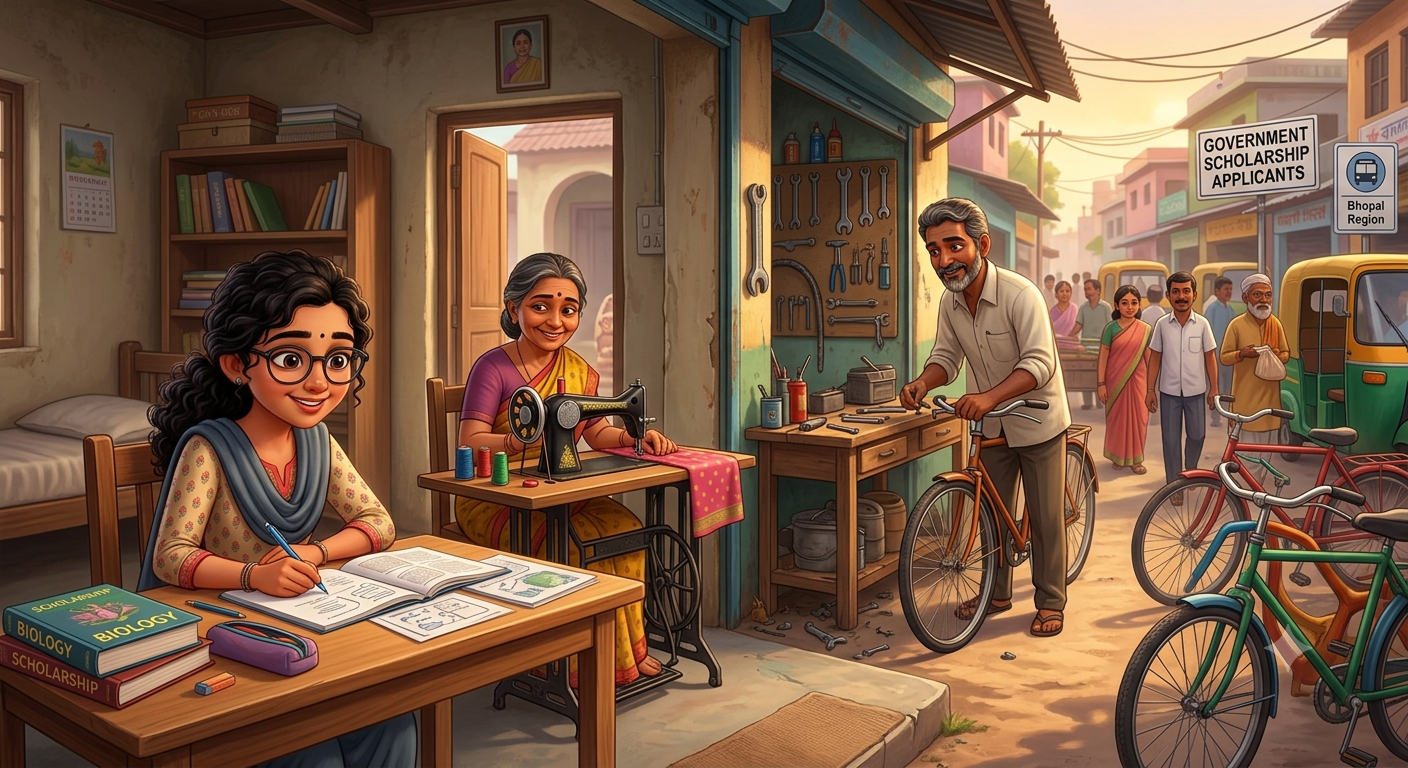
In a small town near Bhopal, sixteen-year-old Nandini dreamed of becoming a doctor. Her father repaired bicycles, and her mother stitched clothes at home. The only way Nandini could continue her studies in a good college was by winning a government scholarship.
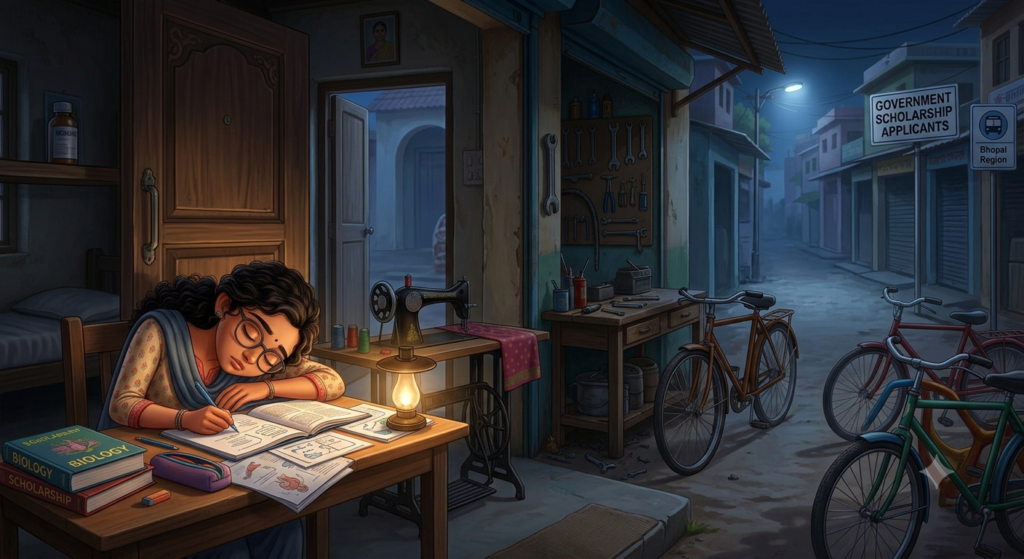
She studied every night under a dim table lamp, often falling asleep with books open beside her. When the results were announced, Nandini missed the scholarship by just two marks. The news felt like the door to her future had suddenly closed.
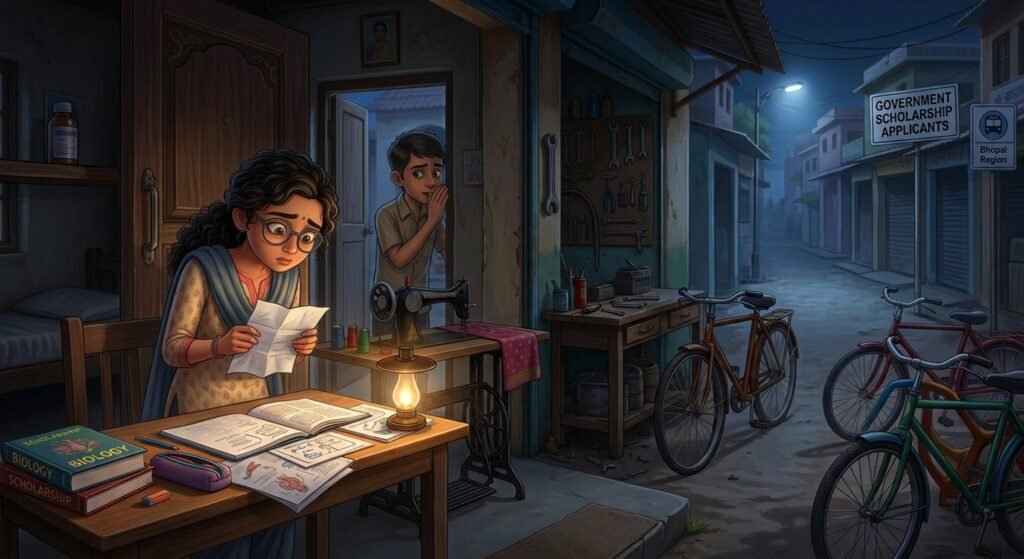
A week later, a classmate secretly approached her. “The scholarship board is conducting a re-test for a few students,” he whispered. “I have the question paper. If you use it, no one will know. You deserve this chance more than anyone.”
Nandini held the paper in her hands for a long time. She imagined her parents’ relieved faces, the college she had dreamed of, and the life that could change with a single decision. Yet something inside her felt uneasy. If she entered medical college through dishonesty, every achievement afterward would remind her of that stolen beginning.
That night, she quietly burned the paper in the kitchen stove.
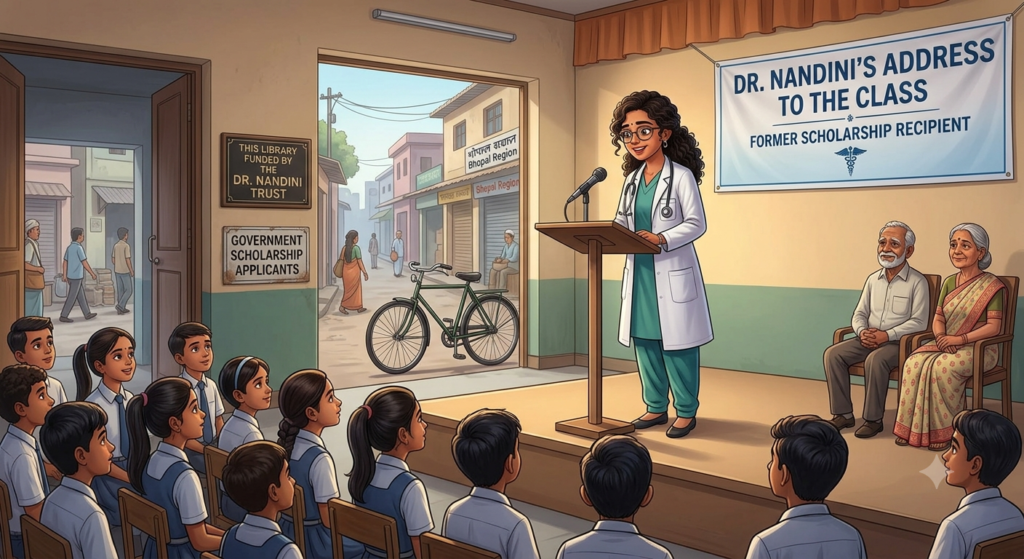
The next year, Nandini worked even harder. She earned the scholarship honestly and completed her medical studies with distinction. Years later, she returned to her hometown as a doctor and was invited to speak at the same school where she had once studied.
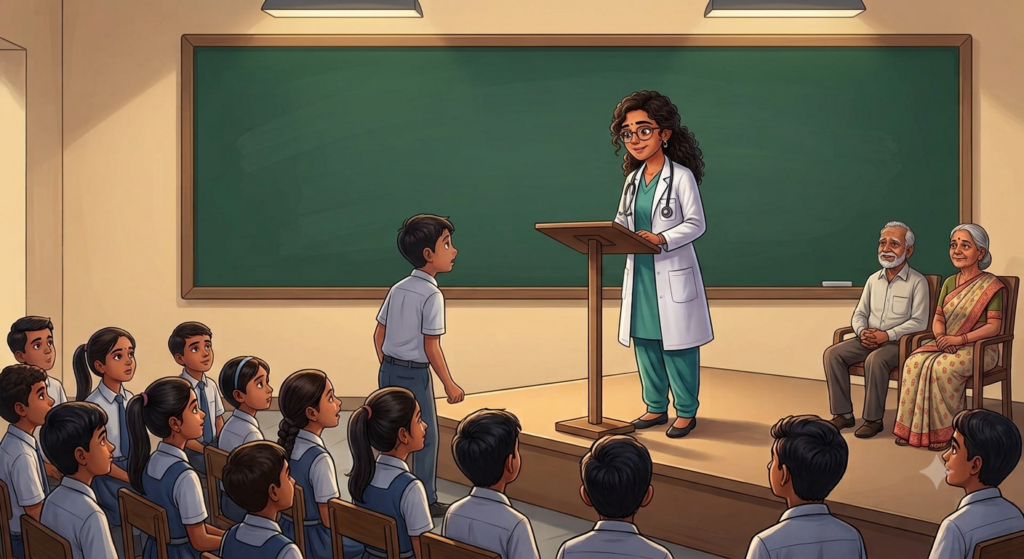
A nervous student asked her, “What was the most difficult exam you ever faced?”
Nandini smiled gently. “The hardest exam was the one where I chose not to cheat.”
She then wrote on the blackboard:
இடுக்கண் படினும் இளிவந்த செய்யார்
நடுக்கற்ற காட்சி யவர்.
Iṭukkaṇ paṭinum iḷivandha seyyār
naṭukkaṟṟa kāṭchi yavar.
Looking at the students, she said, “Failure may delay your dream, but dishonour can destroy the person who is dreaming. Real success is not only reaching the destination—it is reaching it without losing your self-respect.”
The classroom remained silent, but every student understood that true character is revealed when life offers an easy wrong instead of a difficult right.
Moral
Hardship may test us, but people of true character never choose a disgraceful path, even when it seems to offer success.
Let’s read the same story in Tamil…
திருட மறுத்த உதவித்தொகை
போபாலுக்கு அருகிலிருந்த ஒரு சிறிய நகரத்தில் வாழ்ந்த பதினாறு வயது நந்தினிக்கு மருத்துவராக வேண்டும் என்பது மிகப் பெரிய கனவு. அவளது அப்பா சைக்கிள் பழுதுபார்க்கும் தொழில் செய்தார்; அம்மா வீட்டில் துணி தைத்து குடும்பச் செலவுகளைச் சமாளித்தார். நல்ல கல்லூரியில் படிக்க வேண்டுமென்றால் அரசின் உதவித்தொகை கிடைப்பது மட்டுமே அவர்களுக்கான நம்பிக்கை.
நந்தினி தினமும் இரவு நேரம் வரை படித்தாள். பல முறை புத்தகங்களின் மீது தலைவைத்து தூங்கிவிடுவாள். முடிவுகள் வந்தபோது, அவள் வெறும் இரண்டு மதிப்பெண்களால் உதவித்தொகையைத் தவறவிட்டாள். அந்தச் செய்தி அவளது கனவின் கதவு மூடப்பட்டதுபோல் இருந்தது.
சில நாட்களுக்குப் பிறகு ஒரு நண்பன் ரகசியமாக அவளைச் சந்தித்தான். “சில மாணவர்களுக்கு மறுதேர்வு நடக்கிறது. கேள்வித்தாள் என்னிடம் இருக்கிறது. இதைப் பயன்படுத்தினால் யாருக்கும் தெரியாது. இந்த வாய்ப்புக்கு நீயே அதிகம் தகுதியானவள்,” என்றான்.
நந்தினி அந்தக் காகிதத்தை நீண்ட நேரம் பார்த்துக்கொண்டிருந்தாள். பெற்றோரின் மகிழ்ச்சி, மருத்துவராகும் கனவு, நல்ல கல்லூரியில் சேரும் ஆசை—அனைத்தும் அவளது மனதில் தோன்றின. ஆனால் ஒரு தவறான தொடக்கத்தின் மீது கட்டப்படும் வெற்றி உண்மையான வெற்றியாக இருக்காது என்பதை அவள் உணர்ந்தாள்.
அன்று இரவு சமையலறை அடுப்பில் அந்தக் கேள்வித்தாளை அமைதியாக எரித்துவிட்டாள்.
அடுத்த ஆண்டு அவள் இன்னும் அதிகமாக உழைத்தாள். நேர்மையாகத் தேர்வு எழுதி உதவித்தொகையை வென்றாள். பல ஆண்டுகள் கழித்து மருத்துவராகி தனது பழைய பள்ளிக்குச் சிறப்பு விருந்தினராக வந்தாள்.
ஒரு மாணவன் கேட்டான்: “உங்கள் வாழ்க்கையில் மிகவும் கடினமான தேர்வு எது?”
நந்தினி சிரித்தபடி, “நான் நகலெடுக்காமல் இருந்த தேர்வே மிகவும் கடினமானது,” என்றாள்.
பின்னர் பலகையில் இந்தக் குறளை எழுதினாள்:
இடுக்கண் படினும் இளிவந்த செய்யார்
நடுக்கற்ற காட்சி யவர்.
மாணவர்களை நோக்கி அவள் கூறினாள்: “தோல்வி நம் கனவை தாமதப்படுத்தலாம். ஆனால் இழிவான செயல் நம் மனிதத்துவத்தையே அழித்துவிடும். உண்மையான வெற்றி என்பது இலக்கை அடைவதல்ல; அதை அடையும் வரை நம் நேர்மையையும் சுயமரியாதையையும் காப்பாற்றுவதுதான்.”
அன்று அந்த வகுப்பறையில் இருந்த மாணவர்கள் அனைவரும் ஒரு முக்கியமான பாடத்தை மனதில் பதித்துக்கொண்டனர். வாழ்க்கை எளிதான தவறான வழியை முன்வைக்கும் நேரத்தில்தான் மனிதனின் உண்மையான குணம் வெளிப்படும்.
நீதி
கஷ்டம் வந்தாலும் சுயமரியாதையை இழக்கும் செயலைச் செய்யாத மனம்தான் உண்மையான உயர்ந்த பண்பு.
எழுத்துப்பிரதி
Iṭukkaṇ paṭinum iḷivandha seyyār
naṭukkaṟṟa kāṭchi yavar.
மூலத் தமிழ்
இடுக்கண் படினும் இளிவந்த செய்யார்
நடுக்கற்ற காட்சி யவர்.
Breaking it down
- இடுக்கண் (Iṭukkaṇ) – துன்பம், கஷ்டம் (Hardship)
- படினும் (Paṭinum) – வந்தாலும் (Even if it comes)
- இளிவந்த (Iḷivandha) – இழிவை உண்டாக்கும் (Disgraceful)
- செய்யார் (Seyyār) – செய்ய மாட்டார்கள் (Will not do)
- நடுக்கற்ற (Naṭukkaṟṟa) – உறுதியான, அசையாத (Steadfast)
- காட்சி யவர் (Kāṭchi Yavar) – உயர்ந்த அறிவும் பண்பும் உடையவர் (People of firm character)
Trivia
இந்தக் குறள் வினைத்தூய்மை அதிகாரத்தில் இடம்பெறுகிறது. திருவள்ளுவர், உண்மையான உயர்ந்த மனிதர்கள் கஷ்டம் வந்தாலும் தங்கள் குணத்தையும் சுயமரியாதையையும் காக்கிறார்கள் என்று கூறுகிறார். தற்காலிக நன்மைக்காக இழிவான செயலைச் செய்வது வெளியில் வெற்றியாகத் தோன்றலாம்; ஆனால் அது மன அமைதியையும் மனிதனின் மதிப்பையும் கெடுத்துவிடும்.
இன்றைய கல்வி உலகிலும் Academic Integrity மிகவும் முக்கியமானதாகக் கருதப்படுகிறது. தேர்வில் நேர்மை என்பது மதிப்பெண்களைப் பற்றிய விஷயம் மட்டுமல்ல; எதிர்காலத்தில் நம்மை நாமே மதிக்கக்கூடிய மனிதராக இருப்பதற்கான அடித்தளமாகும்.
This bilingual story from ancient Tamil wisdom makes timeless life lessons accessible to readers worldwide—whether you’re discovering these universal truths for the first time, or sharing the beauty of your Tamil heritage with friends from any culture. Reading both English and Tamil versions side by side helps build language confidence, cultural connection, and a lifelong love for meaningful stories—perfect for classrooms, families, and friends around the globe.
Record your kid telling this story and the Kural, and we will host it on our YouTube page.
<youtube link>