
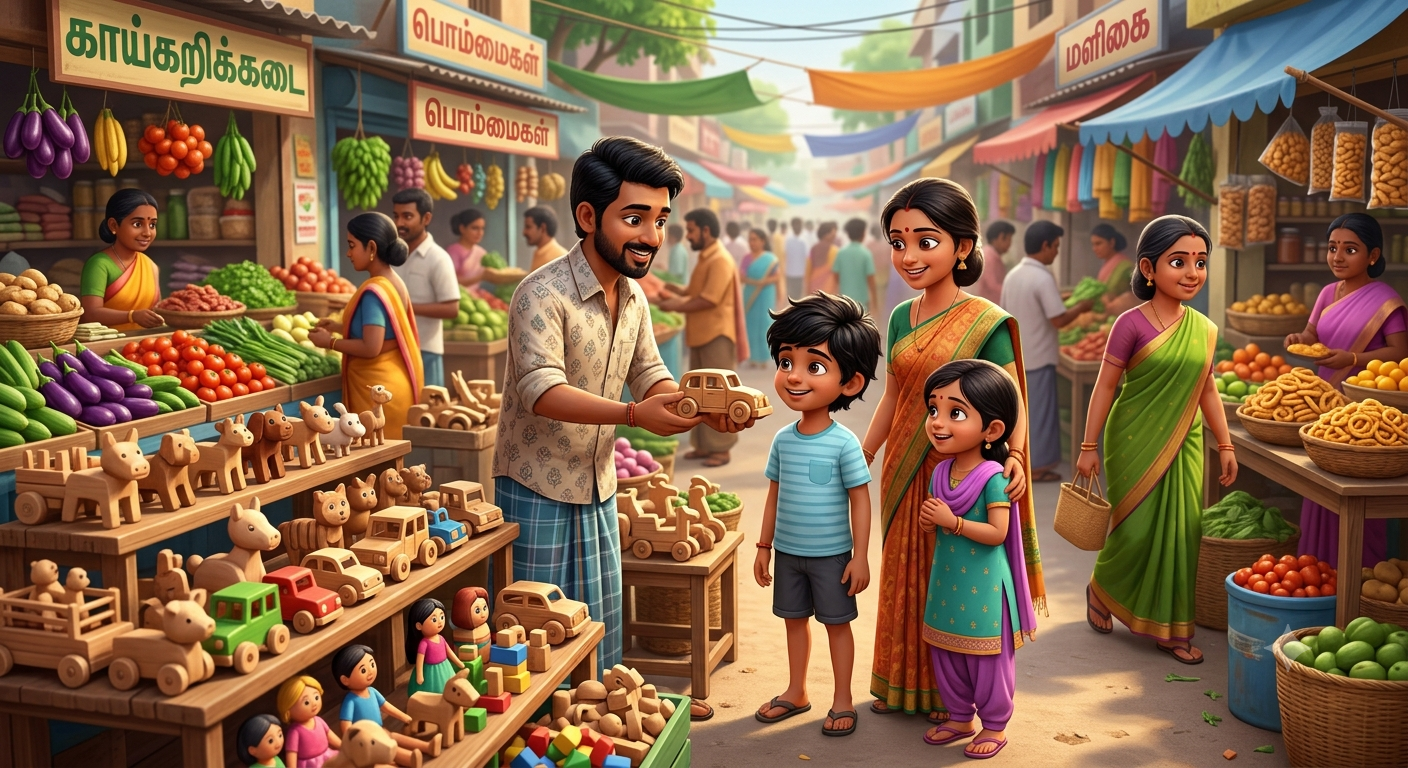
Every Saturday, the small community market near Mithran’s school became crowded with families buying vegetables, snacks, and handmade products. Mithran loved visiting the market with his father, who ran a small workshop making wooden toys. Their toys were simple, carefully made, and sold mainly to families in the neighbourhood.
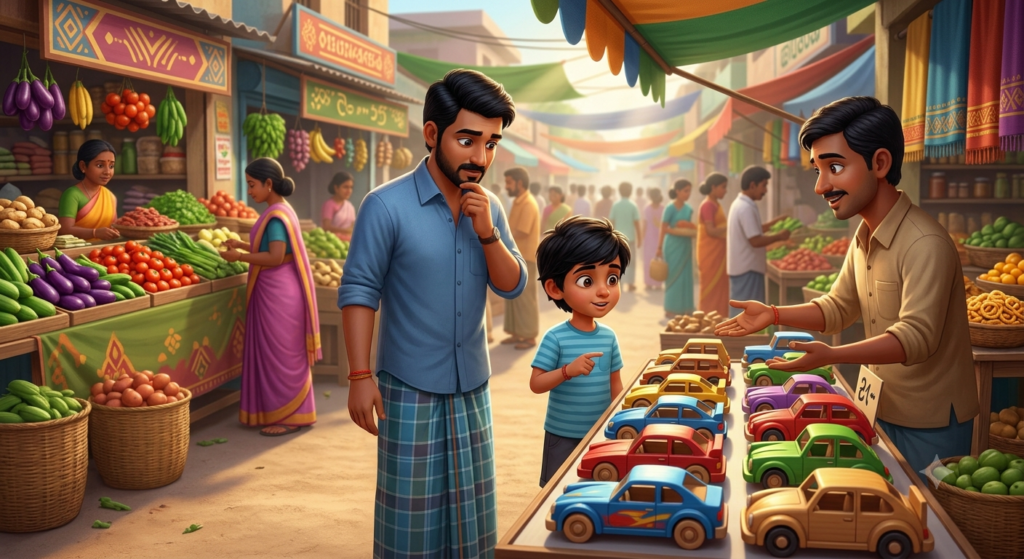
One Saturday, Mithran noticed a new stall selling beautifully painted wooden cars. They looked almost exactly like the toys his father made, but the seller was offering them at a much lower price. Mithran was curious. “How can he sell them so cheaply?” he asked. His father looked at the toys carefully but simply said, “Perhaps he has found a different way of making them.”
A week later, the new seller visited their workshop. He told Mithran’s father that he could make much more money if he followed a few shortcuts. He suggested using cheaper materials, copying popular toy designs, and putting different names on the products so customers would think they came from another company.
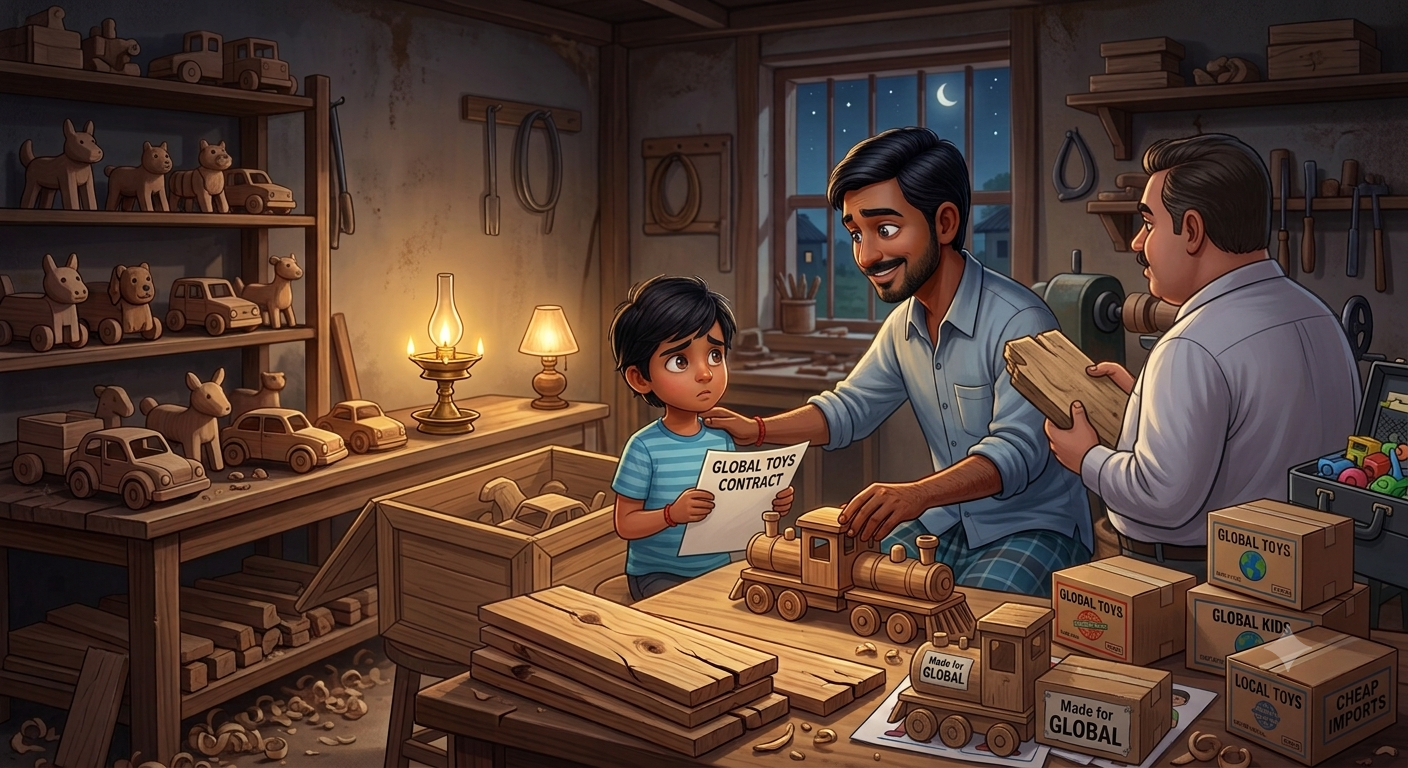
Mithran listened carefully. Their workshop had been struggling that month, and several orders had already been cancelled. That evening, he asked his father, “Why don’t we try his method for a few months? We could earn enough money and then go back to making our toys properly.”
His father smiled and placed a half-finished wooden train on the table. “Mithran, a shortcut may help us reach somewhere faster. But before taking it, we should ask whether we will be proud of where it takes us.”
A few days later, a large customer offered them an important order. The money would have solved many of their immediate problems, but the customer wanted them to use poor-quality materials and put another company’s name on the toys. Mithran’s father politely refused.
Mithran was disappointed. “But Appa, we really need the money.”
“I know,” his father replied. “We may have less money for a while. But I don’t want to build our future on something we would be ashamed to explain.”
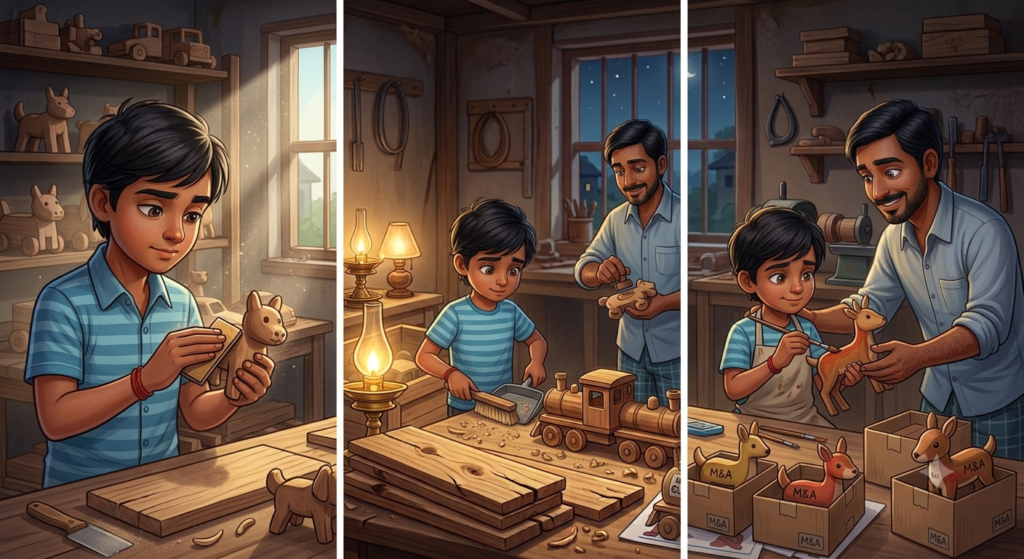
The next few weeks were difficult. The family reduced their expenses, and Mithran began helping his father in the workshop after school. He sanded the wooden pieces, cleaned the workbench, and helped paint the finished toys. It took longer, but every toy they made was something they could proudly put their name on.
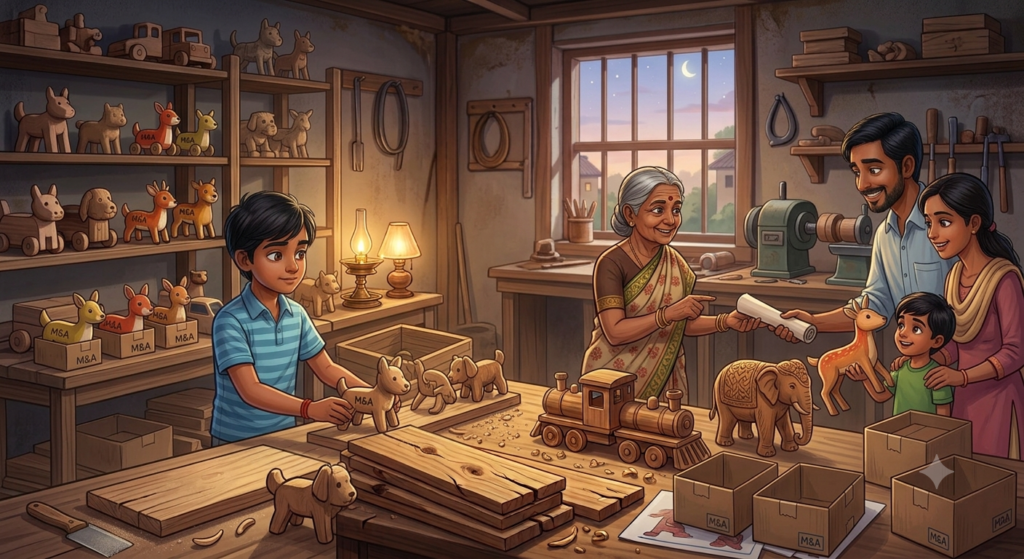
One evening, an old customer came to the workshop. She had bought one of their wooden toys several years earlier. “My grandson still plays with it,” she said. “It has lasted all these years. I always recommend your toys because I know they are made honestly.”
She placed a new order, and soon two more customers came through her recommendation. Slowly, the workshop began to recover.
As Mithran arranged the finished toys on the shelf, he thought about the shortcut they had refused. He finally understood why his father had been willing to struggle rather than take an easy but dishonest path.
Mithran looked at his father and said, “Appa, I understand now. We may not become rich quickly, but at least we never have to hide how we earned what we have.”
His father smiled. At that moment, Mithran remembered a Thirukkural he had learned at school. He said:
பழிமலைந்து எய்திய ஆக்கத்தின் சான்றோர்
கழிநல் குரவே தலை
Pazhimalaindhu Eydhiya Aakkaththin Saandror
Kazhinal Kurave Thalai
Mithran understood the meaning clearly. Thiruvalluvar teaches that the poverty of a good person is better than wealth gained through disgraceful or dishonest actions. Having less while keeping one’s integrity is far more valuable than having more through a path that brings shame.
The wooden toys did not make their family rich overnight. But every toy that left their workshop carried something more valuable than its price—a reputation built on honesty.
Moral
It is better to live with less while protecting our integrity than to gain wealth through dishonest or shameful actions. True success is something we can be proud of.
Let’s read the same story in Tamil…
குறுக்கு வழியின் விலை
மித்ரனின் பள்ளிக்கு அருகில் இருந்த சிறிய சந்தை ஒவ்வொரு சனிக்கிழமையும் மிகவும் பரபரப்பாக இருக்கும். காய்கறிகள், தின்பண்டங்கள், கைவினைப் பொருட்கள் என்று பலவற்றை வாங்க மக்கள் அங்கு வருவார்கள். மித்ரனுக்கும் அந்தச் சந்தைக்குச் செல்வது மிகவும் பிடிக்கும். அவனுடைய அப்பா ஒரு சிறிய பட்டறை நடத்தி, மரத்தால் அழகான பொம்மைகளைச் செய்து விற்பனை செய்து வந்தார். அவர்களுடைய பொம்மைகள் எளிமையானவை என்றாலும், ஒவ்வொன்றும் மிகவும் கவனமாகவும் நேர்மையாகவும் செய்யப்பட்டவை.
ஒரு சனிக்கிழமை, புதிதாகத் திறக்கப்பட்டிருந்த ஒரு கடையில் அழகாக வர்ணம் பூசப்பட்ட மரக் கார்களை மித்ரன் பார்த்தான். அவை அவனுடைய அப்பா செய்யும் பொம்மைகளைப் போலவே இருந்தன. ஆனால் அவற்றின் விலை மிகவும் குறைவாக இருந்தது. “இவ்வளவு குறைவான விலைக்கு எப்படி விற்கிறார்கள்?” என்று மித்ரன் கேட்டான். அவனுடைய அப்பா அந்தப் பொம்மைகளைப் பார்த்துவிட்டு, “தெரியவில்லை. ஒருவேளை நம்மைவிட வேறொரு முறையில் செய்கிறார்களோ,” என்று மட்டும் கூறினார்.
ஒரு வாரத்திற்குப் பிறகு அந்தப் புதிய கடைக்காரர் அவர்களுடைய பட்டறைக்கு வந்தார். குறுக்கு வழியில் அதிக பணம் சம்பாதிக்கலாம் என்று மித்ரனின் அப்பாவிடம் கூறினார். குறைந்த தரமான பொருட்களைப் பயன்படுத்தலாம், பிரபலமான பொம்மைகளின் வடிவங்களை அப்படியே நகலெடுக்கலாம், வேறு ஒரு நிறுவனத்தின் பெயரைப் பயன்படுத்தலாம் என்று பல யோசனைகளைக் கூறினார்.
மித்ரன் அந்தப் பேச்சைக் கேட்டுக்கொண்டிருந்தான். அந்த மாதம் அவர்களுடைய பட்டறையில் வேலை குறைந்திருந்தது. சில ஆர்டர்களும் ரத்து செய்யப்பட்டிருந்தன. அன்று இரவு மித்ரன் அப்பாவிடம், “நாமும் சில மாதங்களுக்கு மட்டும் அந்த முறையைப் பயன்படுத்தினால் என்ன? கொஞ்சம் பணம் சம்பாதித்த பிறகு மறுபடியும் நம்ம பழைய முறைக்கே வந்துவிடலாம்,” என்றான்.
அவனுடைய அப்பா மேசையில் இருந்த பாதி முடிக்கப்பட்ட மர ரயிலை எடுத்துப் பார்த்தபடி, “மித்ரன், குறுக்கு வழி நம்மை சீக்கிரமாக ஒரு இடத்துக்குக் கொண்டு போகலாம். ஆனால் அது நம்மை எங்கே கொண்டு போகிறது என்பதையும் யோசிக்கணும். அங்கே போன பிறகு நம்மால் நிம்மதியாக நிற்க முடியுமா என்பதுதான் முக்கியம்,” என்றார்.
சில நாட்களுக்குப் பிறகு ஒரு பெரிய வாடிக்கையாளர் அவர்களுக்கு மிகப் பெரிய ஆர்டர் கொடுத்தார். அந்தப் பணம் அவர்களுடைய பல பிரச்சினைகளைத் தீர்த்திருக்கும். ஆனால் குறைந்த தரமான பொருட்களைப் பயன்படுத்த வேண்டும் என்றும், வேறு ஒரு நிறுவனத்தின் பெயரைப் பயன்படுத்த வேண்டும் என்றும் அவர் நிபந்தனை வைத்தார். மித்ரனின் அப்பா அந்த ஆர்டரை மரியாதையாக மறுத்துவிட்டார்.
மித்ரனுக்கு ஏமாற்றமாக இருந்தது. “ஆனால் அப்பா, நமக்கு இப்போ பணம் ரொம்பத் தேவை,” என்றான்.
“தெரியும்,” என்று அப்பா சொன்னார். “கொஞ்ச காலம் நம்மிடம் பணம் குறைவாக இருக்கலாம். ஆனால் ஒருநாள் நாம் எப்படி சம்பாதித்தோம் என்று சொல்லவே வெட்கப்படும் வாழ்க்கையை நான் விரும்பவில்லை.”
அடுத்த சில வாரங்கள் அவர்களுக்கு சுலபமாக இல்லை. குடும்பச் செலவுகளைக் குறைத்தார்கள். மித்ரனும் பள்ளி முடிந்த பிறகு பட்டறைக்குச் சென்று அப்பாவுக்கு உதவத் தொடங்கினான். மரத் துண்டுகளைத் தேய்த்து மெருகேற்றினான், பட்டறையைச் சுத்தம் செய்தான், முடிக்கப்பட்ட பொம்மைகளுக்கு வண்ணம் பூசினான். வேலை கொஞ்சம் அதிகமாக இருந்தாலும், அவர்கள் தயாரித்த ஒவ்வொரு பொம்மையையும் பெருமையுடன் தங்கள் பெயரில் விற்க முடிந்தது.
ஒரு நாள் மாலை, பல வருடங்களுக்கு முன்பு அவர்களிடம் ஒரு மரப் பொம்மை வாங்கியிருந்த வயதான வாடிக்கையாளர் ஒருவர் பட்டறைக்கு வந்தார். “என் பேரன் இன்னும் அந்தப் பொம்மையுடன் விளையாடுகிறான். இத்தனை வருடங்களாகியும் அது நன்றாக இருக்கிறது. உங்களுடைய பொம்மைகள் நேர்மையாகச் செய்யப்படுகின்றன என்று எனக்குத் தெரியும். அதனால்தான் எல்லோரிடமும் உங்களுடைய கடையைச் சொல்வேன்,” என்றார்.
அவர் ஒரு புதிய ஆர்டரையும் கொடுத்தார். அவரைத் தொடர்ந்து இன்னும் சில வாடிக்கையாளர்களும் அவர்களுடைய பட்டறைக்கு வரத் தொடங்கினர். மெதுவாக அவர்களுடைய வேலை மீண்டும் வளர ஆரம்பித்தது.
மித்ரன் தயாரான பொம்மைகளை அலமாரியில் அடுக்கிக்கொண்டிருந்தபோது, அவர்கள் மறுத்த அந்தக் குறுக்கு வழியை நினைத்துப் பார்த்தான். அப்போது அப்பா ஏன் சிரமத்தை ஏற்றுக்கொண்டார் என்பது அவனுக்குப் புரிந்தது.
“அப்பா, இப்போ எனக்குப் புரியுது. நாம் சீக்கிரமா பணக்காரர்களாக மாறாமல் இருக்கலாம். ஆனால் நம்மிடம் இருக்கும் பணம் எப்படி வந்தது என்று யாரிடமும் மறைக்க வேண்டியதில்லை,” என்றான் மித்ரன்.
அவனுடைய அப்பா சிரித்தார். அப்போது மித்ரனுக்கு பள்ளியில் கற்றிருந்த ஒரு திருக்குறள் நினைவுக்கு வந்தது. அவன் சொன்னான்:
பழிமலைந்து எய்திய ஆக்கத்தின் சான்றோர்
கழிநல் குரவே தலை
தவறான அல்லது பழிக்கு உரிய செயல்களின் மூலம் கிடைக்கும் செல்வத்தைவிட, நல்ல மனிதன் நேர்மையாக வாழ்ந்து அனுபவிக்கும் வறுமையே சிறந்தது என்று திருவள்ளுவர் இந்தக் குறளில் கூறுகிறார். அதிகமாக சம்பாதிப்பதைவிட, நாம் சம்பாதித்த விதத்தை நினைத்து பெருமையாக இருக்க முடிவதே உண்மையான வெற்றி என்பதை மித்ரன் புரிந்துகொண்டான்.
அவர்களுடைய மரப் பொம்மைகள் அவர்களை ஒரே நாளில் பணக்காரர்களாக்கவில்லை. ஆனால் ஒவ்வொரு பொம்மையும் அவர்களுடைய பட்டறையை விட்டு வெளியே செல்லும்போது, அதன் விலையைவிட மதிப்பான ஒன்றையும் எடுத்துச் சென்றது—நேர்மையால் உருவான நம்பிக்கை.
நீதி
தவறான வழியில் கிடைக்கும் செல்வத்தைவிட, நேர்மையாக வாழ்ந்து குறைவாக வைத்திருப்பதே உயர்ந்தது. பணத்தைவிட நம்முடைய நேர்மையும் நல்ல பெயரும் அதிக மதிப்புடையவை.
எழுத்துப்பிரதி
Pazhimalaindhu Eydhiya Aakkaththin Saandror
Kazhinal Kurave Thalai
மூலத் தமிழ்
பழிமலைந்து எய்திய ஆக்கத்தின் சான்றோர்
கழிநல் குரவே தலை
Breaking it down
- பழிமலைந்து எய்திய ஆக்கம் — பழிக்கு உரிய செயல்களின் மூலம் பெறப்படும் செல்வம்.
- சான்றோர் — நல்லொழுக்கத்தையும் நேர்மையையும் கடைப்பிடிப்பவர்கள்.
- கழிநல் குரவு — நல்லவர்களின் வறுமை.
- தலை — சிறந்தது, உயர்ந்தது.
- தவறான வழியில் கிடைக்கும் செல்வத்தைவிட நேர்மையாக வாழ்வது மேலானது.
- செல்வத்தைவிட அதை சம்பாதிக்கும் வழி முக்கியமானது.
Trivia
திருக்குறள் #657, அதிகாரம் #66 — வினைத்தூய்மை பகுதியில் வருகிறது. இந்த அதிகாரம் நாம் செய்யும் செயல்கள் நேர்மையானவையாகவும் தூய்மையானவையாகவும் இருக்க வேண்டும் என்பதை வலியுறுத்துகிறது.
This bilingual story from ancient Tamil wisdom makes timeless life lessons accessible to readers worldwide—whether you’re discovering these universal truths for the first time, or sharing the beauty of your Tamil heritage with friends from any culture. Reading both English and Tamil versions side by side helps build language confidence, cultural connection, and a lifelong love for meaningful stories—perfect for classrooms, families, and friends around the globe.
Record your kid telling this story and the Kural, and we will host it on our YouTube page.
<YouTube link>