
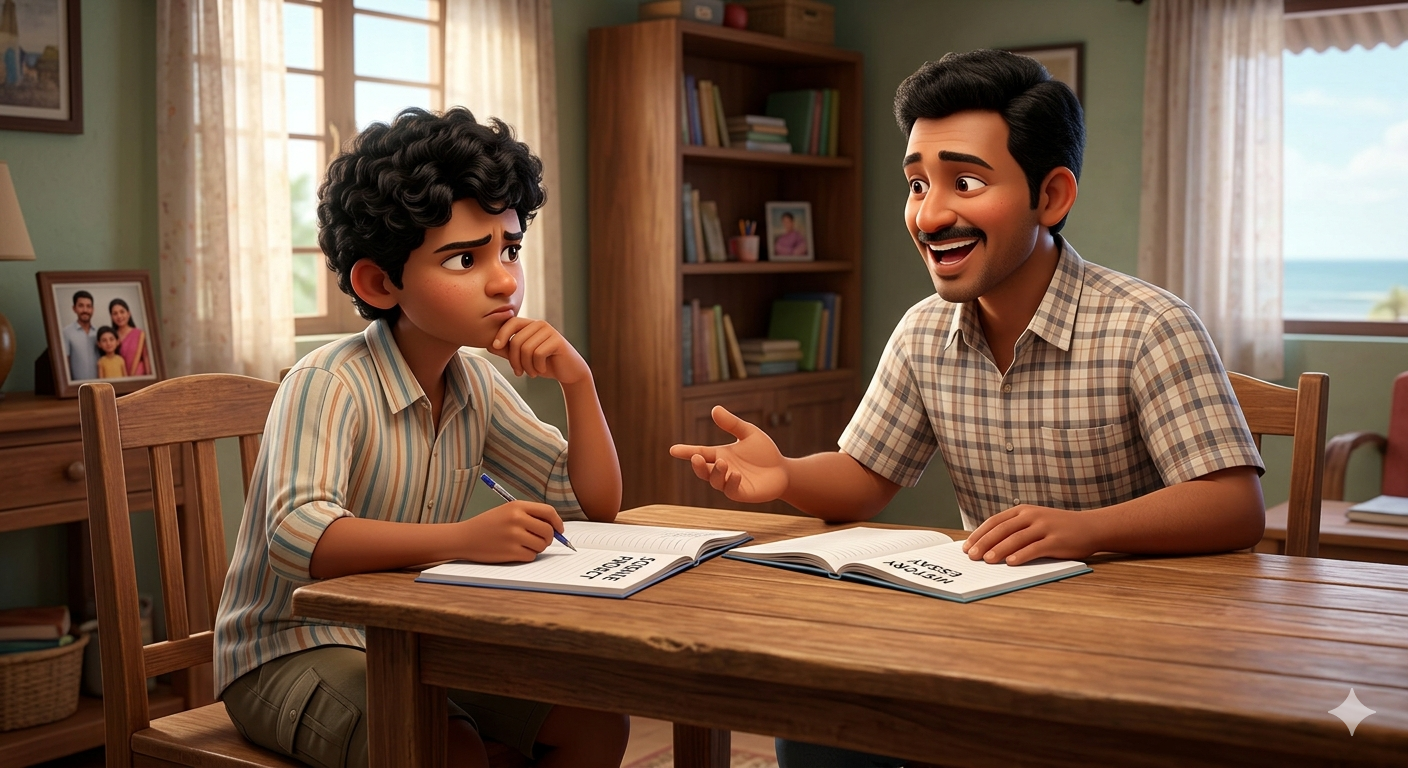
Near the coast of Nagapattinam, fourteen-year-old Aadhavan loved solving puzzles and finding answers to difficult questions. His friends admired his intelligence, and teachers often trusted him with important responsibilities. Yet there was one habit that constantly held him back—he found it very difficult to make decisions. Whenever he had to choose between two options, he would keep changing his mind. If someone suggested a new idea, he would immediately wonder if it was better than his own. His father often laughed and called him “Captain Maybe.”
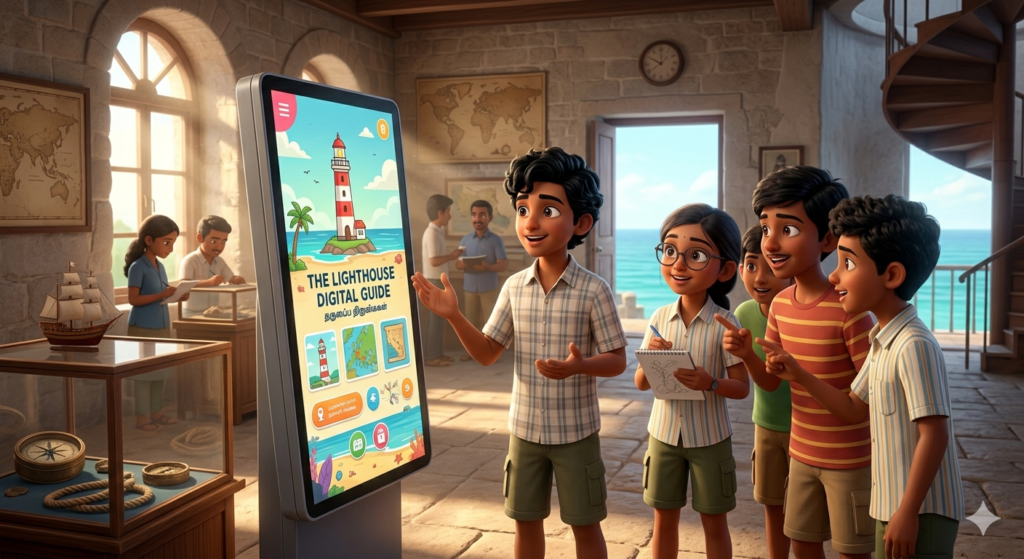
During the summer holidays, Aadhavan joined a coastal heritage camp. The students were given a special project: create a digital guide for an old lighthouse museum. The best guide would become part of the museum itself and be used by visitors throughout the year.
As the students explored the museum, Aadhavan’s group discovered an inspiring story. Decades ago, during a powerful cyclone, a fisherman had risked his life to warn nearby villages and save hundreds of people. Everyone in the group felt it would make a wonderful project. “This is perfect,” said Nivetha excitedly. “People will love this story.” But Aadhavan hesitated. “Maybe,” he replied. “What if visitors find it boring? Perhaps we should choose something else.”
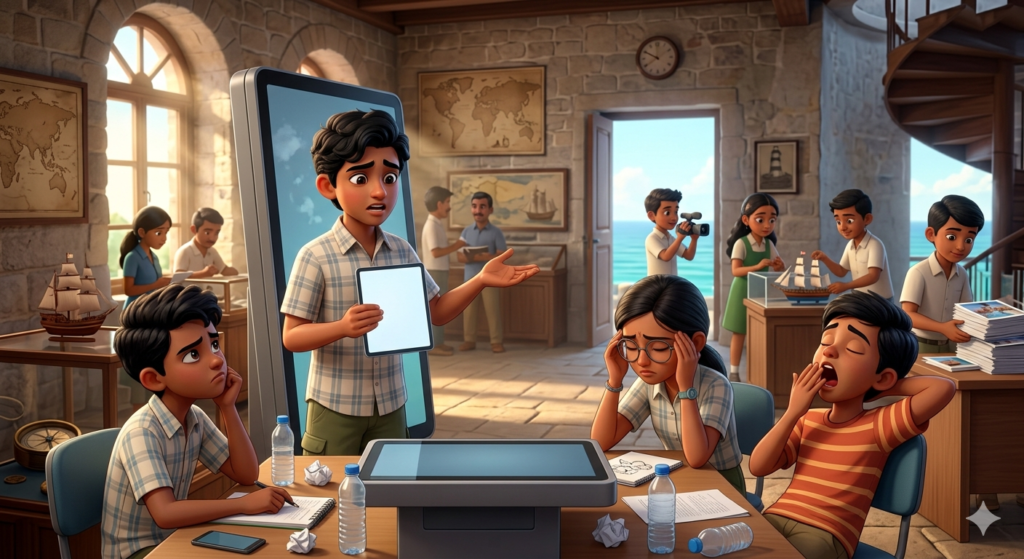
The next day he suggested a different topic. Then another. And another. While other groups started recording videos, designing exhibits, and collecting photographs, Aadhavan’s team spent most of their time discussing possibilities. Days passed, but very little work was completed.
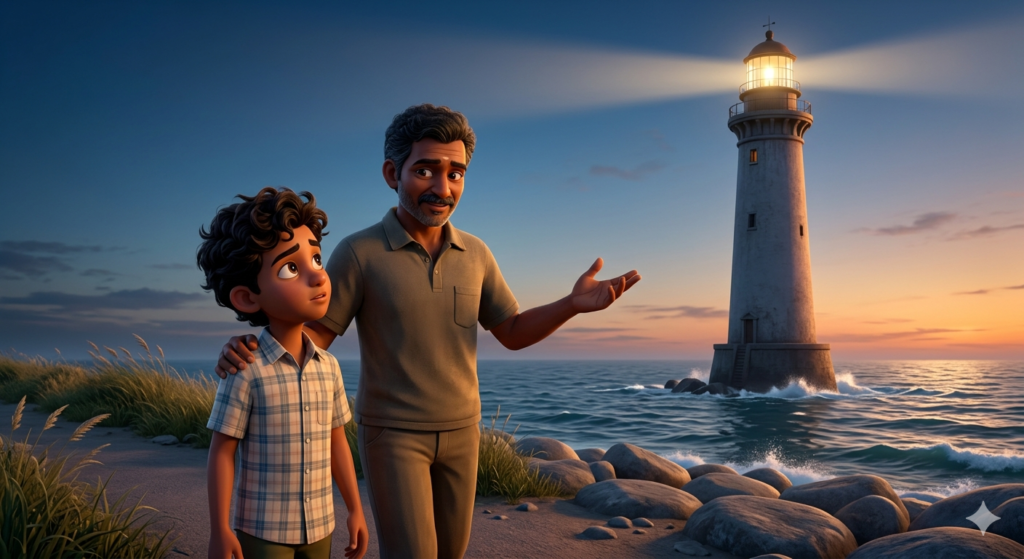
One evening, the camp leader took Aadhavan for a walk near the lighthouse. The huge tower stood firmly against the sea breeze, its light shining steadily across the water. “Do you know why sailors trust a lighthouse?” the leader asked.
Aadhavan shook his head. “Because once it knows its direction, it does not keep changing every few minutes.”
Then he softly recited:
கலங்காது கண்ட வினைக்கண் துளங்காது
தூக்கங் கடிந்து செயல்.
Kalaṅgādhu kaṇḍa vinaikkaṇ thuḷaṅgādhu
thūkkaṅ kaḍindhu seyal.
He explained, “After understanding the right thing to do, don’t keep doubting yourself. Remove delay and act.”
Those words stayed with Aadhavan all night. He realized that his problem wasn’t a lack of ideas—it was fear of committing to one.
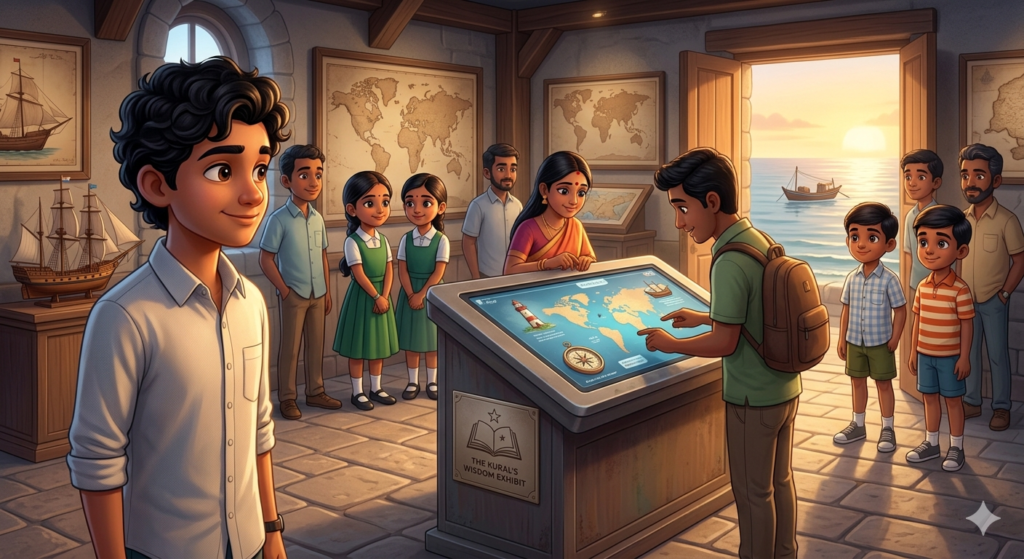
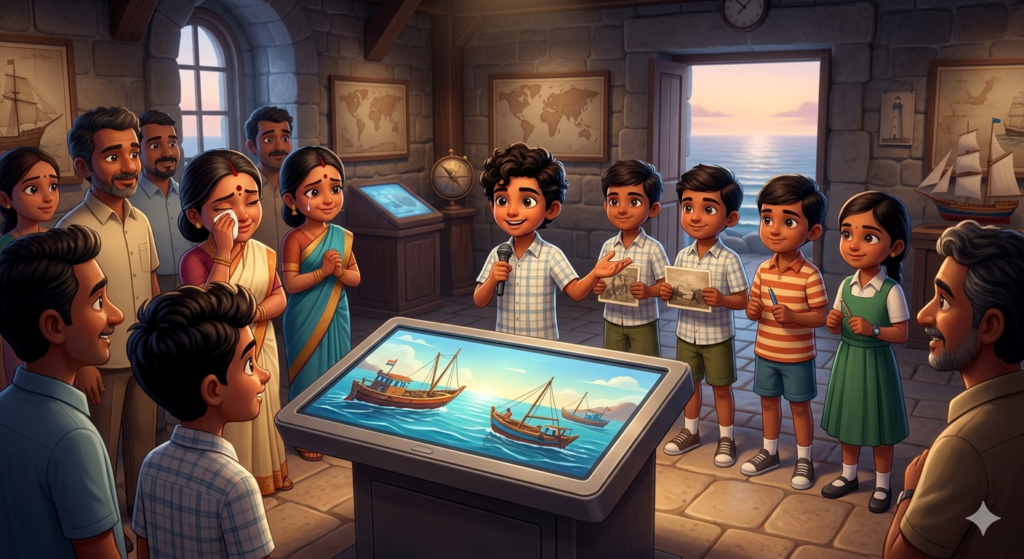
The next morning, he gathered his teammates. “We’re doing the fisherman story. No more changes.” Immediately, the group sprang into action. They interviewed elders, collected old photographs, created illustrations, and recorded voice narrations. Every day their project became stronger. When presentation day arrived, visitors stood quietly listening to the fisherman’s story. Many were deeply moved, and several said it was the most memorable exhibit in the museum.
Months later, tourists were still using their digital guide. As Aadhavan watched visitors exploring the exhibit, he finally understood the Kural’s wisdom. Success often comes not from finding the perfect idea—but from confidently acting on a good one.
Moral
Once the right course of action is understood, one should act without hesitation or unnecessary delay.
Let’s read the same story in Tamil…
கலங்கரை விளக்கத்தின் பாடம்
நாகப்பட்டினம் கடற்கரை அருகே வாழ்ந்த பதினான்கு வயது ஆதவனுக்கு புதிர்களையும் சிக்கலான கேள்விகளையும் தீர்ப்பது மிகவும் பிடிக்கும். நண்பர்களும் ஆசிரியர்களும் அவன் அறிவை பாராட்டுவார்கள். ஆனால் அவனுக்கு ஒரு பழக்கம் இருந்தது—முடிவு எடுப்பதில் எப்போதும் தயக்கம்.
ஒரு விஷயத்தை தேர்வு செய்ய வேண்டுமென்றால் பலமுறை யோசிப்பான். புதிய யோசனை ஒன்று வந்தால், அதுவே இன்னும் சிறந்ததா என்று மனதை மாற்றிக்கொள்வான். அதனால் அவனுடைய அப்பா அவனை நகைச்சுவையாக “ஒருவேளை ஆதவன்” என்று அழைப்பார்.
கோடை விடுமுறையில் ஆதவன் ஒரு கடற்கரை பாரம்பரிய முகாமில் கலந்து கொண்டான். அங்கு மாணவர்களுக்கு ஒரு சிறப்பு பணி கொடுக்கப்பட்டது. பழைய கலங்கரை விளக்க அருங்காட்சியகத்திற்காக ஒரு டிஜிட்டல் வழிகாட்டி உருவாக்க வேண்டும்; சிறந்த திட்டம் உண்மையிலேயே பயன்படுத்தப்படும்.
அருங்காட்சியகத்தை சுற்றிப் பார்த்தபோது, ஆதவனின் குழுவினர் ஒரு மறக்கப்பட்ட வீரரின் கதையை கண்டுபிடித்தார்கள். பல ஆண்டுகளுக்கு முன், ஒரு கொடிய புயல் வரப்போகிறது என்பதை உணர்ந்த ஒரு மீனவர், தனது உயிரை பணயம் வைத்து கிராம மக்களை எச்சரித்து காப்பாற்றியிருந்தார்.
“இதைத்தான் நம்ம திட்டமாக வைக்கலாம்,” என்று நிவேதா உற்சாகமாக சொன்னாள். “இதை கேட்டால் எல்லாரும் நிச்சயம் நினைவில் வைத்துக்கொள்வார்கள்.”
ஆனால் ஆதவன் மீண்டும் தயங்கினான்.
“ஒருவேளை இது சுவாரஸ்யமாக இல்லையென்றால்? வேறொரு தலைப்பு தேடலாமே?”
அடுத்த நாள் வேறு யோசனை சொன்னான். அதற்குப் பிறகு இன்னொன்று. இப்படி நாட்கள் சென்றன.
மற்ற குழுக்கள் வீடியோக்கள் பதிவு செய்து, காட்சிகளை உருவாக்கி, புகைப்படங்களை சேகரித்து வேலை செய்துகொண்டிருந்தனர். ஆனால் ஆதவனின் குழு இன்னும் எந்த தலைப்பை தேர்வு செய்வது என்ற விவாதத்திலேயே இருந்தது.
ஒரு மாலை முகாம் ஒருங்கிணைப்பாளர் ஆதவனை கடற்கரைக்கு அழைத்துச் சென்றார். அங்கு கலங்கரை விளக்கம் கடலை நோக்கி அசையாமல் நின்றுகொண்டிருந்தது. அதன் ஒளி தொலைவில் சென்ற கப்பல்களுக்கும் வழிகாட்டிக் கொண்டிருந்தது.
“கப்பல்கள் ஏன் கலங்கரை விளக்கத்தை நம்புகின்றன தெரியுமா?” என்று அவர் கேட்டார்.
ஆதவன் தலையசைத்தான்.
“ஏனென்றால் அது தன் திசையை ஒவ்வொரு நிமிடமும் மாற்றிக்கொள்வதில்லை.”
பின்னர் அவர் மெதுவாக ஒரு திருக்குறளைச் சொன்னார்:
கலங்காது கண்ட வினைக்கண் துளங்காது
தூக்கங் கடிந்து செயல்.
அவர் விளக்கினார்: “சரியான செயலை தெளிவாக அறிந்த பிறகு மீண்டும் மீண்டும் சந்தேகப்படக்கூடாது. தாமதத்தை விட்டுவிட்டு செயல்பட வேண்டும்.”
அந்த இரவு முழுவதும் ஆதவன் அந்த வார்த்தைகளை நினைத்துக்கொண்டே இருந்தான். தனது பிரச்சினை அறிவின்மை அல்ல; முடிவு எடுத்த பிறகும் தயங்கிக்கொண்டே இருப்பதுதான் என்பதை உணர்ந்தான்.
மறுநாள் காலையில் நண்பர்களை கூட்டினான்.
“நாம் மீனவர் கதையைத்தான் செய்கிறோம். இனி திட்டம் மாறாது.”
அதன்பிறகு அனைவரும் முழு வேகத்தில் வேலை செய்ய ஆரம்பித்தார்கள். ஊர் பெரியவர்களிடம் பேட்டி எடுத்தார்கள், பழைய புகைப்படங்களை சேகரித்தார்கள், ஓவியங்கள் வரைந்தார்கள், குரல் பதிவுகளையும் தயாரித்தார்கள்.
காட்சிப்படுத்தும் நாள் வந்தது. அந்த வீர மீனவரின் கதையை கேட்ட பலரின் கண்களில் உணர்ச்சி தெரிந்தது. “இது தான் மிகவும் நினைவில் நிற்கும் காட்சி,” என்று பார்வையாளர்கள் பாராட்டினார்கள்.
சில மாதங்களுக்குப் பிறகும் சுற்றுலாப் பயணிகள் அந்த டிஜிட்டல் வழிகாட்டியை பயன்படுத்திக்கொண்டிருந்தார்கள். அதை பார்த்த ஆதவன், திருக்குறளின் உண்மையான அர்த்தத்தை புரிந்துகொண்டான்.
சிறந்த யோசனையை கண்டுபிடிப்பதிலல்ல வெற்றி. நல்ல யோசனையை கண்டபின் அதில் உறுதியாக செயல்படுவதில்தான் வெற்றி இருக்கிறது.
நீதி
சரியான செயலை அறிந்த பிறகு தயக்கமும் தாமதமும் இல்லாமல் செயல்பட வேண்டும்.
எழுத்துப்பிரதி
Kalaṅgādhu kaṇḍa vinaikkaṇ thuḷaṅgādhu
thūkkaṅ kaḍindhu seyal
மூலத் தமிழ்
கலங்காது கண்ட வினைக்கண் துளங்காது
தூக்கங் கடிந்து செயல்
Breaking it down
- கலங்காது (Kalaṅgādhu) – மனம் குழம்பாமல் (Without confusion), remaining mentally clear.
- கண்ட (Kaṇḍa) – அறிந்த (Having understood), after identifying correctly.
- வினைக்கண் (Vinaikkaṇ) – செயலில் (In the task/action), regarding the work to be done.
- துளங்காது (Thuḷaṅgādhu) – தயங்காமல் (Without wavering), not hesitating.
- தூக்கம் (Thūkkam) – தாமதம் (Delay), postponement or procrastination.
- கடிந்து (Kaḍindhu) – நீக்கி (Removing), cutting away completely.
- செயல் (Seyal) – செயலாற்றுதல் (To act), carrying out the task.
Trivia
“தூக்கம்” என்ற சொல் இக்குறளில் உறக்கம் (sleep) என்று பொருளல்ல. பழந்தமிழில் இது தாமதம், காலம் தாழ்த்துதல், செயலை ஒத்திவைத்தல் என்ற பொருளிலும் பயன்படுத்தப்பட்டது.
நவீன உளவியலில் “Analysis Paralysis” என்ற கருத்து உள்ளது. அதிகமாக யோசிப்பதால் முடிவெடுக்க முடியாமல் செயலே நடைபெறாமல் போகும் நிலையை அது குறிக்கிறது. திருவள்ளுவர் இதையே சுருக்கமாக “துளங்காது தூக்கங் கடிந்து செயல்” என்று கூறியுள்ளார்.
This bilingual story from ancient Tamil wisdom makes timeless life lessons accessible to readers worldwide — whether you’re discovering these universal truths for the first time, or sharing the beauty of your Tamil heritage with friends from any culture. Reading both English and Tamil versions side by side helps build language confidence, cultural connection, and a lifelong love for meaningful stories — perfect for classrooms, families, and friends around the globe.
Record your kid telling this story and the Kural, we will host it on our YouTube page.
<Youtube link>